
Home >> News >> YUANDA Valve Group: Industrial Valve Solutions for Pipeline, Energy and Water Projects
Industrial pipeline systems require valves that can operate reliably under different pressure levels, flow conditions, media types, and installation environments. Whether used in water supply networks, petrochemical plants, power generation systems, municipal engineering, or industrial production lines, valves play an essential role in shut-off, flow regulation, backflow prevention, filtration, and equipment protection.
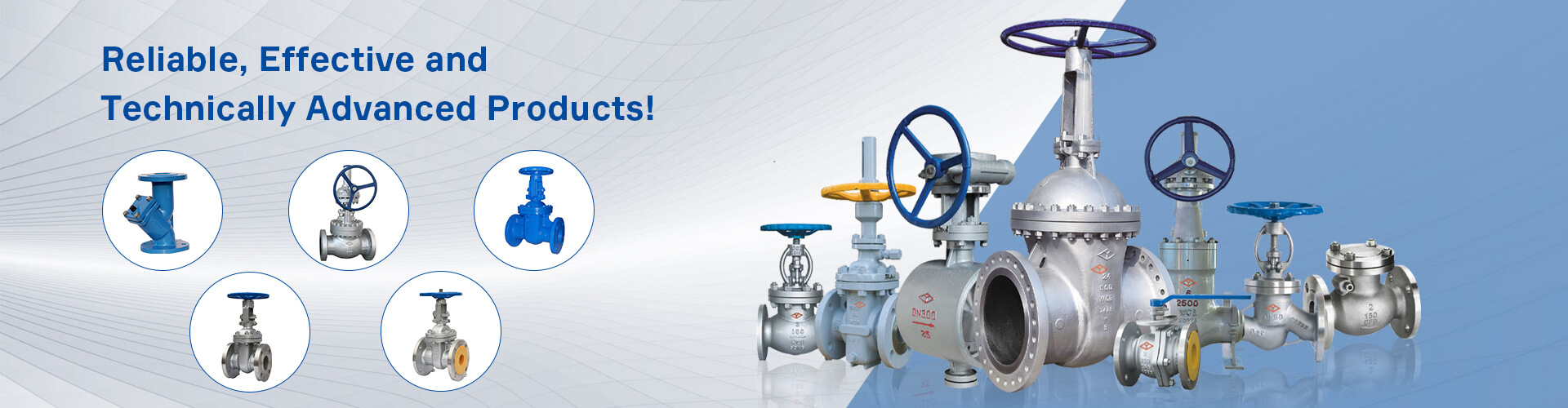
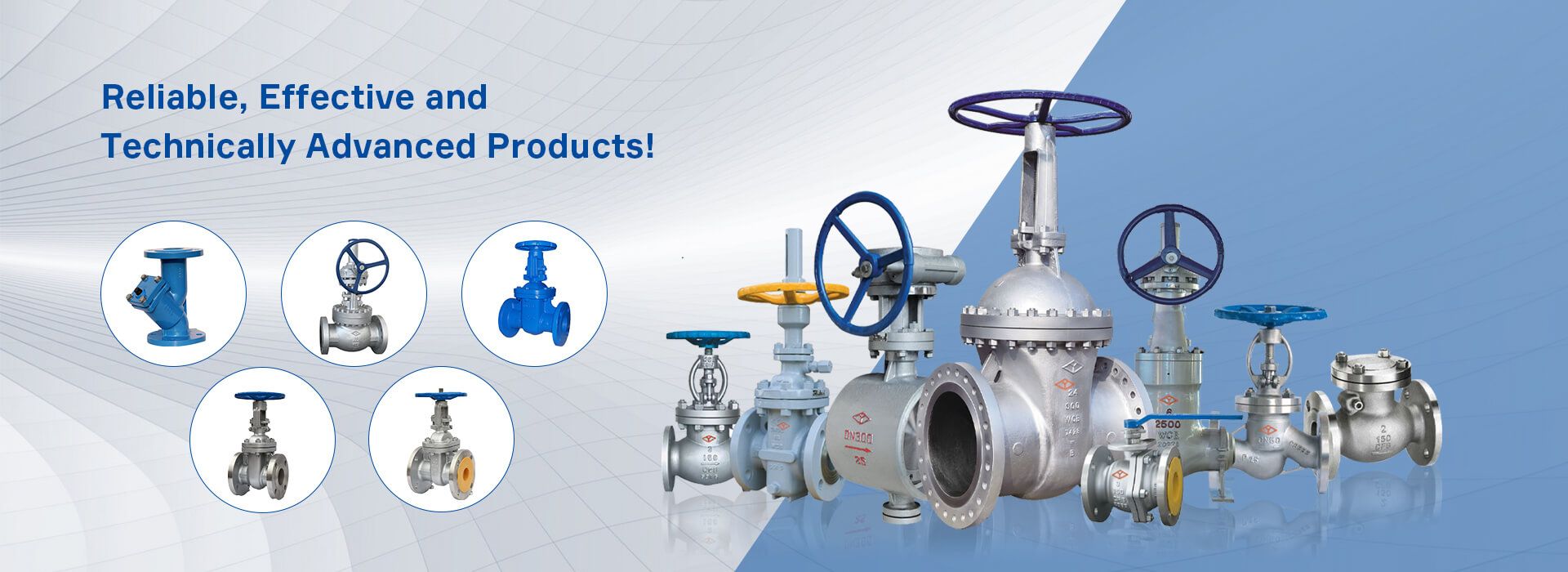
YUANDA Valve Group provides a wide range of industrial valve products for these applications. Its product system covers gate valves, globe valves, ball valves, butterfly valves, check valves, strainers, and other valve categories. With products organized under different standards, including GB, DIN, API-ANSI, KS-JIS, BS, and Russian standards, the company supports valve selection for various engineering and industrial requirements.
A complete pipeline system usually needs more than one type of valve. Each valve type has a different function, and the right combination helps improve system safety, operation efficiency, and maintenance convenience.
Gate valves are commonly used for fully open or fully closed service. They are suitable for pipeline sections where stable shut-off performance and low flow resistance are important. In water supply, municipal pipelines, industrial plants, and general fluid systems, gate valves are often selected for isolation and mainline control.
Globe valves are designed for applications where flow control is needed. Their structure allows more accurate regulation compared with simple on-off valves. They are widely used in steam, water, oil, and process pipelines where operators need better control over flow conditions.
Ball valves are known for fast operation, compact structure, and reliable sealing performance. They are often used in oil, gas, chemical, water treatment, and general industrial systems where quick shut-off is required.
Butterfly valves are suitable for large-diameter pipeline systems where compact installation and efficient operation are important. They are commonly used in water treatment, drainage, HVAC, fire protection, municipal engineering, and industrial fluid control systems.
Check valves help prevent reverse flow and protect pumps, pipelines, and connected equipment. They are often installed in pumping stations, water systems, petrochemical pipelines, and other systems where one-way flow must be maintained.
Strainers remove solid impurities from pipeline media and help protect downstream equipment such as pumps, meters, control valves, and heat exchangers. In industrial systems, strainers are important for improving equipment reliability and reducing maintenance risks.
Different regions and industries often follow different valve standards. A project may require API-ANSI valves, DIN valves, BS valves, JIS valves, GB valves, or other standard systems depending on engineering specifications and local requirements.
YUANDA’s product structure covers several standard categories, including GB Standard, DIN Standard, API-ANSI Standard, KS-JIS Standard, BS Standard, and Russian Standard. This makes it easier for engineering companies, contractors, plant operators, and distributors to match valve products with specific project documents and application requirements.
For example, petrochemical systems may require cast steel valves under API-ANSI standards, while municipal water projects may use ductile iron or cast iron valves under DIN, BS, or regional standards. Power plants, metallurgical facilities, and environmental protection projects may also require different valve structures and material configurations according to working conditions.
Material selection has a direct impact on valve performance, service life, and maintenance requirements. Different media, pressure levels, temperatures, and corrosion conditions require suitable valve body materials and sealing structures.
Common industrial valve materials include cast iron, ductile iron, cast steel, stainless steel, forged steel, carbon steel, and alloy steel. These materials can be matched with different applications, such as water distribution, steam service, oil and gas pipelines, chemical processing, industrial drainage, and plant utility systems.
For pipeline system designers and maintenance teams, material matching is one of the most important steps in valve selection. A suitable material can help improve corrosion resistance, pressure-bearing capacity, sealing reliability, and long-term operating stability.
Industrial valves are widely used in systems where fluid control is essential. Different industries have different requirements for valve structure, material, sealing performance, and operating reliability.
In oil and petrochemical projects, valves are used for shut-off, flow control, backflow prevention, and equipment protection. These systems often require stable sealing, pressure resistance, and compatibility with specific working media.
In power generation and thermoelectric systems, valves are used in steam pipelines, cooling water systems, auxiliary pipelines, and equipment protection lines. Reliable valve performance helps support safe and continuous plant operation.
In metallurgy and steelmaking, pipeline systems often work under demanding industrial conditions. Valves used in these facilities need to support continuous operation, process control, and long-term stability.
In municipal engineering and water conservancy projects, gate valves, butterfly valves, check valves, and strainers are widely used in water supply, drainage, pumping stations, and distribution networks. These projects often require corrosion resistance, easy operation, and stable service life.
In environmental protection projects, valves are used in wastewater treatment, industrial fluid handling, and related pipeline systems. Shut-off, backflow prevention, filtration, and system protection are common requirements in these applications.
A strong valve manufacturer needs more than a broad product list. Manufacturing capability, standard coverage, testing processes, technical support, and stable supply all affect how well valve products perform in real projects.
YUANDA Valve Group is positioned as an industrial valve manufacturer with products covering multiple categories and standard systems. Its wide valve portfolio allows different project systems to select gate valves, globe valves, ball valves, butterfly valves, check valves, and strainers from one coordinated product range.
This is especially useful for large engineering projects where multiple valve types are needed across different pipeline sections. A more complete valve product system can help improve specification matching, simplify communication, and support consistent product selection.
Valve selection is closely connected with the safety and efficiency of the entire pipeline system. A valve must match the system pressure, media type, temperature, connection method, installation space, and operation frequency.
For shut-off applications, sealing performance and pressure resistance are important. For regulating applications, control accuracy and flow characteristics matter more. For pumping systems, check valves help prevent reverse flow and protect equipment. For systems with impurities in the media, strainers help reduce the risk of blockage and equipment damage.
Clear product classification and technical information help engineers and operators make better decisions during system design, installation, and maintenance.