
Industrial valves are essential components in pipeline systems. However, selecting the correct valve is not only about valve type and material. One of the most important considerations is compliance with the appropriate engineering standard.
Different regions and industries use different valve standards, which affect dimensions, pressure ratings, testing requirements, and installation compatibility.
As a manufacturer serving multiple international markets, YUANDA Valve Group produces industrial valves according to GB, ANSI, DIN, BS, JIS, Russian, and other international standards to meet diverse project requirements.

Valve standards provide a common technical language between manufacturers, contractors, engineers, and end users.
Standardized valves help ensure:
Interchangeability between suppliers
Consistent pressure and temperature ratings
Reliable performance testing
Easier maintenance and replacement
Compliance with industry specifications
Without standardization, integrating valves into existing pipeline systems can become difficult and costly.
ANSI standards are widely used in North America and many international oil and gas projects.
Common ANSI-related specifications define:
Pressure classes
Face-to-face dimensions
Flange connections
Material requirements
Testing procedures
ANSI valves are frequently selected for petrochemical facilities, power plants, and industrial processing systems.
DIN standards originated in Germany and are commonly used throughout Europe.
DIN valve designs often feature metric dimensions and pressure ratings identified by PN classifications.
Many European industrial facilities require DIN-compliant valves to ensure compatibility with existing equipment and piping systems.
JIS standards are widely adopted in Japan and some Asian markets.
JIS valves have unique flange dimensions and design requirements that differ from ANSI and DIN standards.
For projects involving Japanese equipment, JIS-compliant valves are often necessary to maintain installation compatibility.
British Standards (BS) have historically been used throughout the United Kingdom and in many regions influenced by British engineering practices.
Although some BS standards have been replaced by European specifications, they remain important in numerous industrial applications and existing infrastructure systems.
GB standards are China's national standards and are widely used across industrial, municipal, and energy projects.
GB-compliant valves are commonly found in:
Water supply systems
Power generation facilities
Petrochemical plants
Municipal infrastructure projects
As industrial development continues to expand, GB standards play an increasingly important role in international supply chains.
Choosing the correct standard depends on several factors:
Project location
Engineering specifications
Existing piping systems
End-user requirements
Regulatory compliance
Engineers should always verify dimensional compatibility, pressure ratings, and testing requirements before selecting a valve.
One of the advantages of YUANDA Valve Group is its ability to manufacture industrial valves according to multiple international standards.
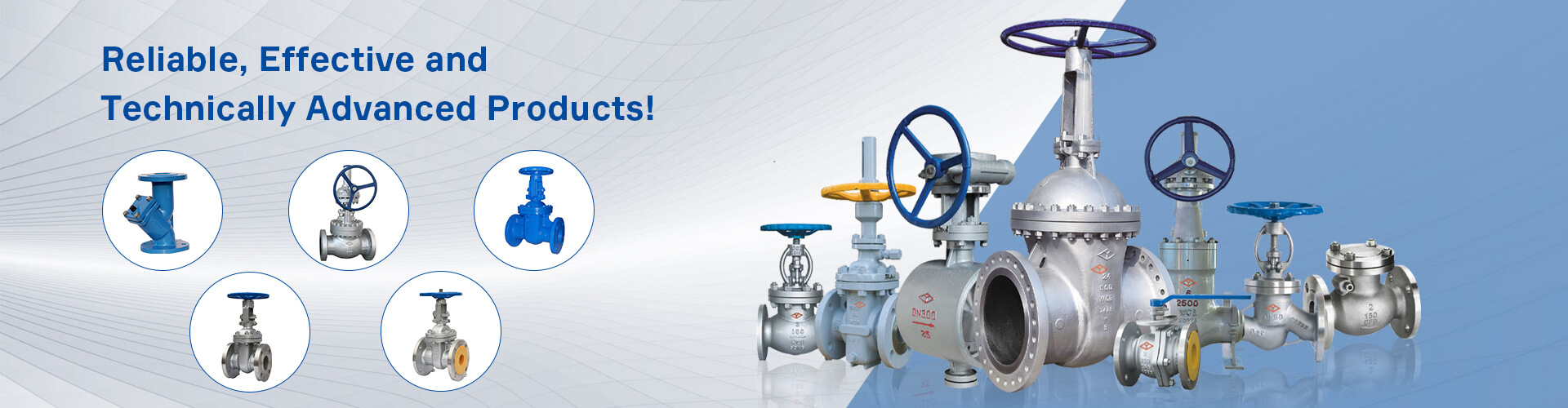
YUANDA's product range includes gate valves, globe valves, check valves, butterfly valves, ball valves, and strainers manufactured to meet GB, ANSI, DIN, BS, JIS, and Russian standards.
This flexibility allows customers to source products that match their technical requirements while maintaining consistency across different projects and markets.
International valve standards are fundamental to the safe and efficient operation of industrial pipeline systems. Understanding the differences between ANSI, DIN, JIS, BS, and GB standards helps engineers and buyers make informed decisions.
By supporting multiple international standards, YUANDA Valve Group provides industrial valve solutions that meet the diverse requirements of modern engineering applications.