
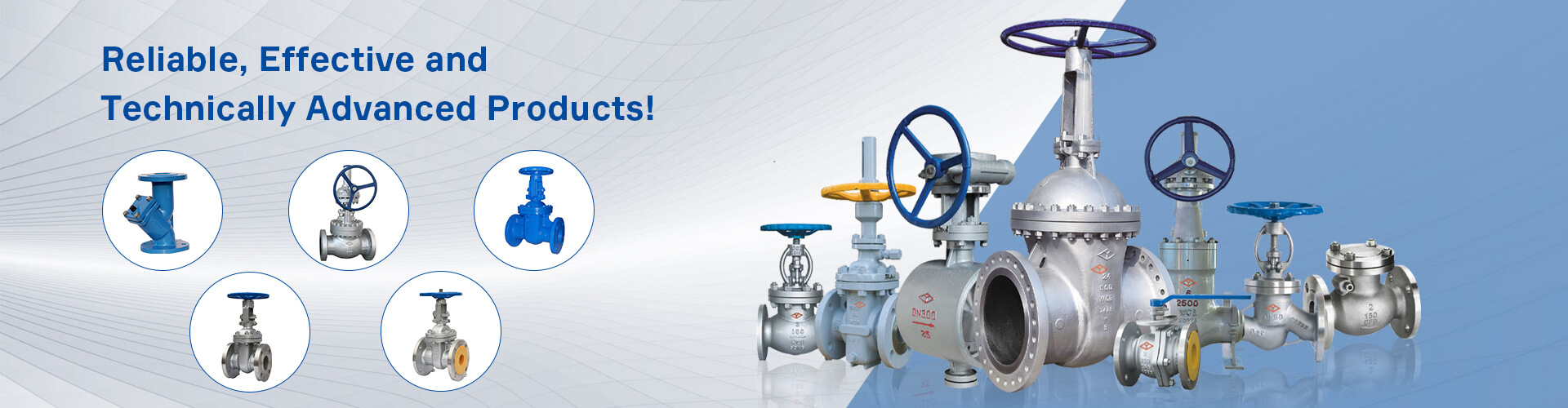
Selecting the correct pressure rating is one of the most important steps when choosing an industrial valve. Many people assume that a higher pressure class is always better, while others believe that a Class 300 valve simply means it can withstand 300 PSI. Both assumptions are incorrect.
Understanding how pressure ratings work can help engineers, buyers, and maintenance teams choose safer and more cost-effective valve solutions.
At YUANDA Valve Group, pressure ratings are an important part of valve design and manufacturing. YUANDA produces industrial valves that comply with GB, ANSI, DIN, BS, JIS, Russian, and other international standards to meet different pressure requirements.
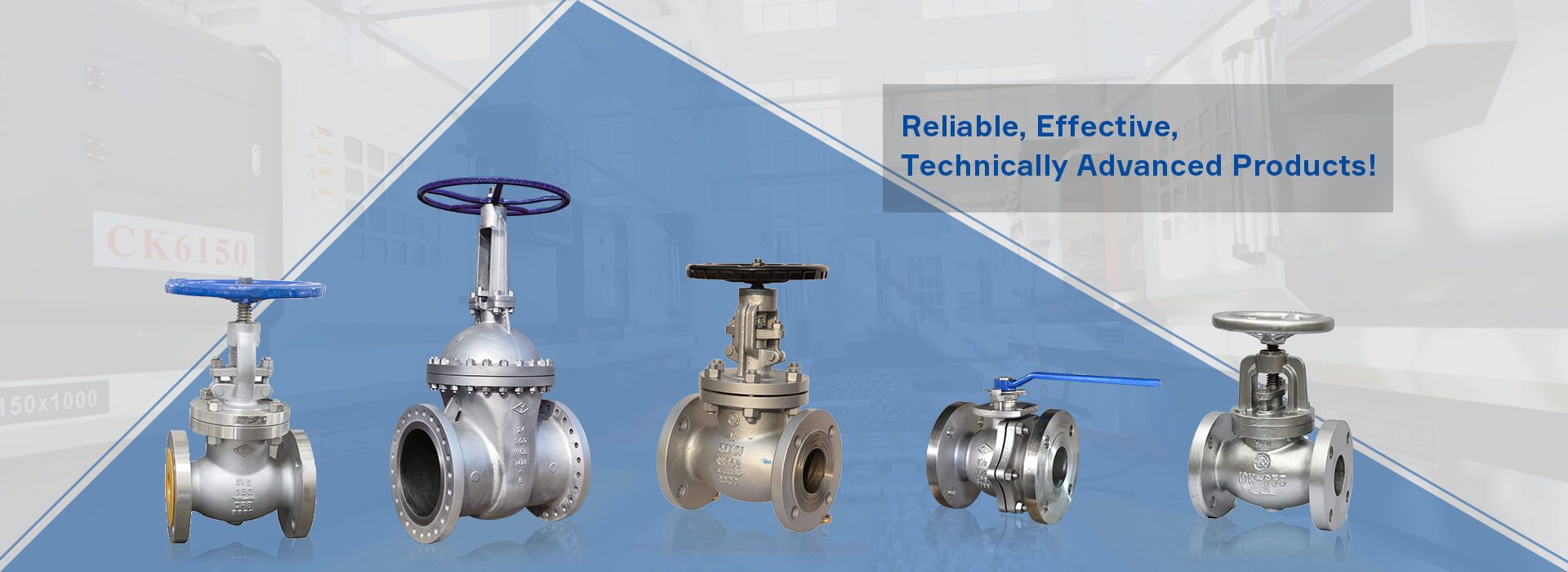
A valve pressure rating is the maximum allowable working pressure that a valve can safely withstand under specified operating conditions. It is not a fixed value under every condition. Instead, it depends on several factors, including:
Valve body material
Operating temperature
Design standard
Valve construction
A pressure rating should always be evaluated together with the operating temperature because the strength of metal changes as temperature increases.
One of the most common mistakes in valve selection is ignoring temperature.
When the operating temperature rises, the mechanical strength of steel gradually decreases. As a result, the maximum allowable working pressure also decreases.
For example, a carbon steel valve may operate safely at a much higher pressure at room temperature than it can at 400°C. This is why manufacturers provide pressure-temperature rating tables instead of a single pressure value.
Many engineers new to industrial valves misunderstand pressure classes.
For example:
Class 150 does not mean 150 PSI.
Class 300 does not mean 300 PSI.
Class 600 does not mean 600 PSI.
These class numbers represent standardized pressure-temperature ratings defined by engineering standards. The actual allowable pressure depends on the valve material and operating temperature.
Industrial valves are manufactured according to different international standards.
Common pressure classes include:
Class 150
Class 300
Class 600
Class 900
Class 1500
Class 2500
These classes are widely used in North America and many international industrial projects.
The PN (Pressure Nominal) system is commonly used in DIN and EN standards.
Typical pressure ratings include:
PN10
PN16
PN25
PN40
PN64
The PN value is expressed in bar and is based on standard reference conditions.
Before selecting a pressure class, engineers should answer four basic questions:
1. What is the maximum operating pressure?
The valve should always have a pressure rating higher than the highest expected operating pressure.
2. What is the maximum operating temperature?
Pressure ratings decrease as temperature increases, so both values must be considered together.
3. What material is required?
Carbon steel, stainless steel, ductile iron, and alloy steel have different pressure-temperature characteristics.
4. Which standard does the project require?
Different projects may require ANSI, DIN, GB, BS, JIS, or other standards. Selecting the correct standard ensures compatibility with the pipeline system.
YUANDA Valve Group manufactures gate valves, globe valves, ball valves, butterfly valves, check valves, and strainers for a wide range of industrial applications.
The company provides products manufactured according to multiple international standards, allowing customers to select valves that match their required pressure class, material, and connection standard.
Whether the application is water treatment, petrochemical processing, power generation, or municipal infrastructure, YUANDA focuses on providing reliable valve solutions that meet engineering specifications.
Pressure rating is much more than a number cast on a valve body. It represents the safe operating limit of the valve under specific pressure and temperature conditions.
Understanding pressure classes, material properties, and applicable standards helps engineers make better valve selections and improve system safety.
With experience in manufacturing valves that comply with GB, ANSI, DIN, BS, JIS, and Russian standards, YUANDA Valve Group continues to provide industrial valve solutions that meet the technical requirements of customers worldwide.