
Industrial valves are designed to control the flow of liquids, gases, and steam safely and efficiently. However, even a well-designed valve may experience leakage if it is not selected, installed, or maintained correctly.
Understanding the common causes of valve leakage can help reduce downtime, improve system safety, and extend the service life of pipeline equipment.
At YUANDA Valve Group, product quality and manufacturing accuracy are key factors in reducing leakage risks and improving long-term valve performance.
Valve leakage occurs when a valve allows fluid to escape from areas that should remain sealed. Leakage can happen inside the valve, where the sealing surfaces fail to shut off the flow completely, or outside the valve, where the fluid escapes through the valve body, bonnet, or stem.
Although some applications allow a very small amount of leakage, many industrial systems require tight sealing to ensure safe and efficient operation.
Valve leakage is usually not caused by a single factor. Instead, it is often the result of several conditions working together.
Choosing the wrong valve type is one of the most common causes of leakage.
For example, using a globe valve where a full shut-off gate valve is required may affect sealing performance. Selecting a valve with an incorrect pressure rating or unsuitable material can also reduce reliability.
Choosing the right valve for the operating conditions is always the first step toward preventing leakage.
Over time, repeated opening and closing can wear the sealing surfaces inside the valve.
High-velocity flow, abrasive particles, or corrosive media can accelerate this wear, eventually reducing the valve's sealing performance.
Regular inspection and timely replacement of worn components help maintain reliable operation.
Even a high-quality valve may leak if it is installed incorrectly.
Common installation problems include:
Incorrect flange alignment
Uneven bolt tightening
Damaged gaskets
Excessive pipe stress
Incorrect installation direction
Following the manufacturer's installation recommendations helps reduce these risks.
Every industrial valve is designed for a specific pressure and temperature range.
Operating a valve beyond its rated conditions may cause deformation of sealing components, accelerated wear, or permanent damage.
Selecting a valve that matches the actual operating conditions is essential for long-term performance.
Preventing valve leakage starts long before the valve is installed.
Some practical recommendations include:
Select the correct valve type for the application.
Verify the pressure and temperature ratings.
Choose materials that match the process medium.
Follow proper installation procedures.
Perform regular inspections and maintenance.
Replace damaged seals and packing when necessary.
These simple practices can significantly improve valve reliability and reduce maintenance costs.
Manufacturing quality plays an important role in valve sealing performance.
Accurate machining, proper material selection, and thorough inspection all contribute to better sealing and longer service life.
At YUANDA Valve Group, industrial valves are manufactured with strict attention to dimensional accuracy, sealing quality, and product consistency. Products are available in accordance with GB, ANSI, DIN, BS, JIS, Russian, and other international standards to meet different application requirements.
A reliable manufacturer provides more than just products. Consistent quality control, standardized manufacturing, and technical support all contribute to better valve performance throughout the product's service life.
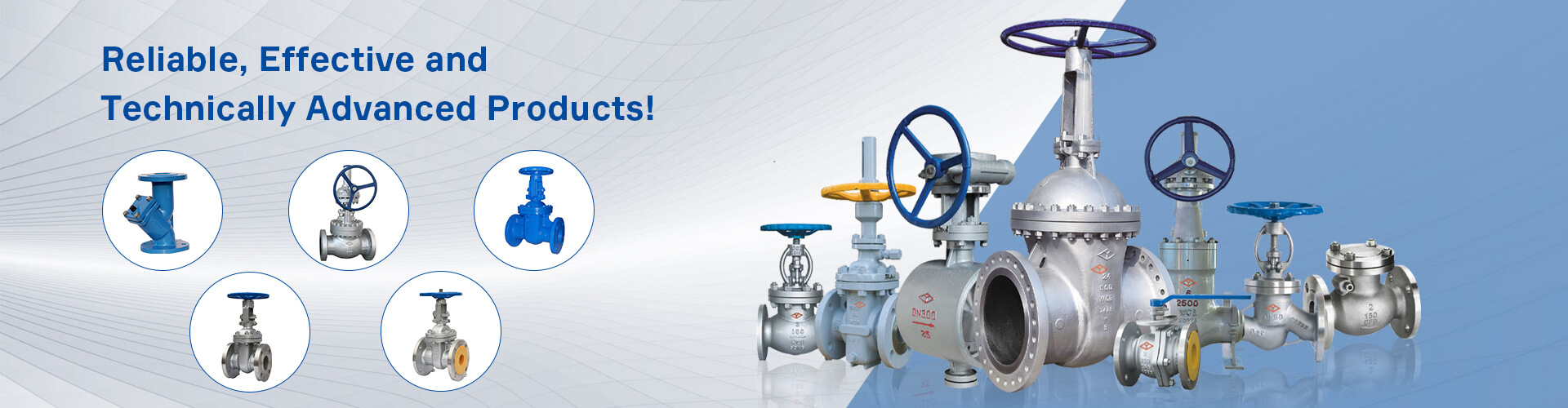
YUANDA Valve Group manufactures gate valves, globe valves, ball valves, butterfly valves, check valves, and strainers for a wide range of industrial applications. By focusing on quality and international standards, YUANDA helps customers improve system reliability and reduce the risk of valve leakage.
Valve leakage can often be prevented through proper valve selection, correct installation, regular maintenance, and high-quality manufacturing.
Understanding the causes of leakage allows engineers and maintenance teams to make better decisions that improve safety and reduce operating costs.
With reliable manufacturing practices and compliance with multiple international standards, YUANDA Valve Group continues to provide industrial valve solutions designed for dependable sealing performance and long-term operation.