
Industrial valves are designed to operate reliably for many years, but their performance depends not only on product quality but also on proper maintenance. Regular inspection and preventive maintenance can reduce unexpected failures, improve system efficiency, and extend the service life of valves.
This guide outlines several practical maintenance practices that can help keep industrial valves operating safely and efficiently.
Industrial valves are exposed to pressure, temperature changes, vibration, and different types of media every day. Over time, these operating conditions can affect sealing performance and mechanical components.
A planned maintenance program helps:
Reduce unplanned shutdowns
Improve system safety
Extend valve service life
Lower maintenance costs
Maintain stable system performance
Even high-quality valves require regular inspection to achieve their expected service life.
Routine visual inspection is the simplest and most effective maintenance practice.
Engineers should check for:
External leakage
Corrosion on the valve body
Damaged handwheels or actuators
Loose bolts and fasteners
Damaged coatings or paint
Early detection of small problems often prevents more expensive repairs later.
Valves that remain in one position for long periods may become difficult to operate.
Opening and closing the valve at scheduled intervals helps:
Prevent stem seizure
Reduce internal deposits
Confirm smooth operation
Detect abnormal resistance
This is particularly important for emergency shut-off valves that are not used during normal operation.
Stem packing and sealing components naturally wear over time.
If leakage is observed around the valve stem, maintenance personnel should inspect the packing and replace it if necessary.
Ignoring small stem leaks can eventually affect valve performance and increase maintenance costs.
Dust, rust, and debris can affect valve operation.
For valves installed outdoors or in harsh industrial environments, regular cleaning helps protect moving parts and improves equipment reliability.
For systems handling corrosive media, external cleaning also allows easier inspection of the valve body and connections.
A valve should always operate within its specified pressure and temperature range.
Operating beyond the design limits may cause:
Faster wear
Seal damage
Body deformation
Reduced service life
Before installation, engineers should verify that the selected valve matches the actual operating conditions.
Small components such as seals, gaskets, packing, and O-rings experience normal wear during operation.
Replacing these parts before failure helps avoid larger maintenance problems and reduces the risk of unexpected shutdowns.
Preventive replacement is usually more economical than emergency repairs.
Maintenance starts with proper product selection.
Choosing valves that comply with recognized international standards and are manufactured under strict quality control helps reduce future maintenance requirements.
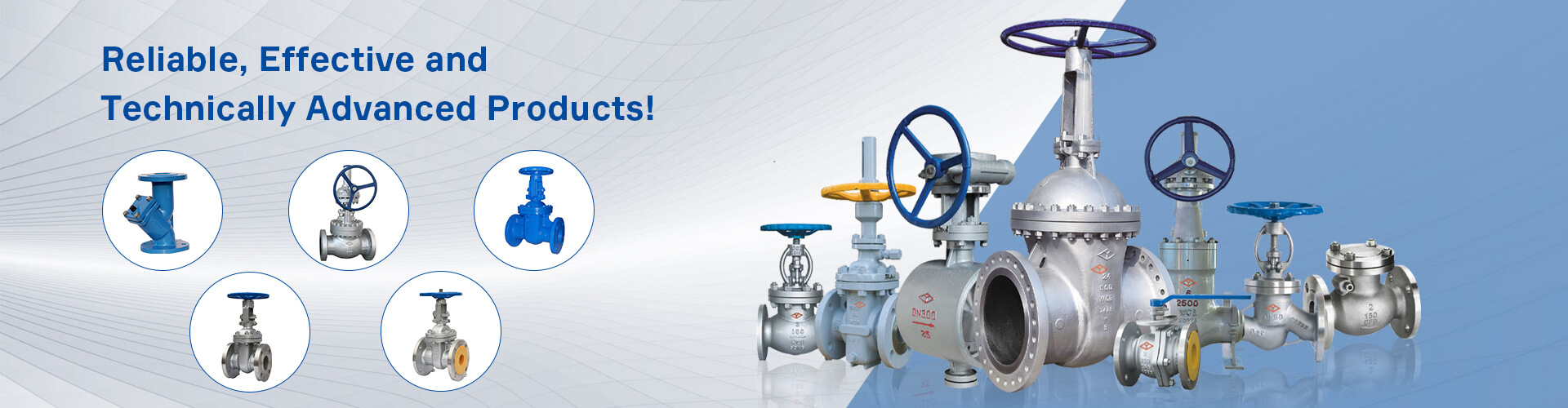
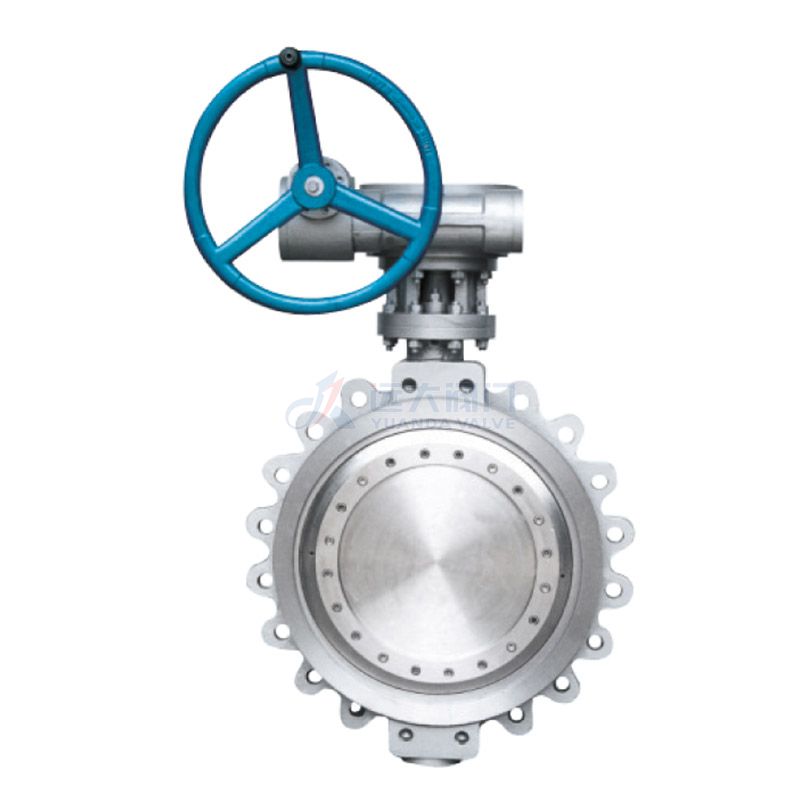
YUANDA Valve Group manufactures industrial valves according to GB, ANSI, DIN, BS, JIS, Russian, and other international standards. The company's product range includes gate valves, globe valves, butterfly valves, ball valves, check valves, and strainers for a wide variety of industrial applications.
By combining reliable manufacturing with appropriate maintenance practices, users can achieve stable performance throughout the valve's service life.
Valve maintenance is an important part of ensuring safe and efficient pipeline operation. Regular inspection, proper operation, timely replacement of wearing parts, and adherence to operating limits all contribute to longer service life and lower operating costs.
With high-quality industrial valves and compliance with international standards, YUANDA Valve Group supports customers in building reliable and efficient pipeline systems across many industries.