
Choosing the right industrial valve is only part of the selection process. Another important decision is how the valve will be operated. The actuation method affects operating efficiency, maintenance requirements, and system automation.
Modern industrial valves are available with several actuation options, including manual, electric, pneumatic, and hydraulic operation. Each method has its own advantages and is suitable for different applications.
At YUANDA Valve Group, industrial valves can be supplied with different actuation options to meet the needs of various industries and operating environments.
Valve actuation determines how the valve opens and closes. The correct choice depends on factors such as:
Pipeline size
Operating pressure
Frequency of operation
Automation requirements
Available power source
Installation environment
A properly selected actuator improves efficiency, reduces labor costs, and helps ensure reliable system operation.
Manual valves are operated by a handwheel, lever, or gear mechanism. They are the simplest and most widely used type of valve operation.
Simple structure
Low purchase cost
Easy maintenance
No external power required
Water supply systems
Building services
Small industrial pipelines
General isolation duties
Manual valves are ideal when the valve is not operated frequently or when automation is unnecessary.
Electric actuators use an electric motor to open and close the valve.
Suitable for remote operation
Easy integration with automated control systems
Accurate positioning
Reduced manual labor
Water treatment plants
Power stations
Industrial automation systems
Building management systems
Electric valves are often selected when precise control and remote monitoring are required.
Pneumatic actuators use compressed air as the power source.
Fast operating speed
Reliable performance
Suitable for frequent operation
Safe in hazardous environments
Petrochemical plants
Chemical processing
Oil and gas facilities
Manufacturing production lines
Because they do not rely on electrical power at the point of operation, pneumatic actuators are widely used in areas where explosion protection is important.
Hydraulic actuators use pressurized hydraulic fluid to generate high operating force.
High output torque
Suitable for large valves
Stable operation under heavy loads
Reliable in demanding conditions
Hydropower projects
Offshore platforms
Large-diameter pipelines
Heavy industrial facilities
Hydraulic systems are commonly used where large operating forces are required.
Before selecting a valve actuation method, engineers should evaluate several key factors:
How often will the valve operate?
Is remote control required?
Is electrical power available?
Is compressed air available?
What level of automation does the system require?
What is the operating environment?
Answering these questions helps determine the most suitable actuation solution for the application.
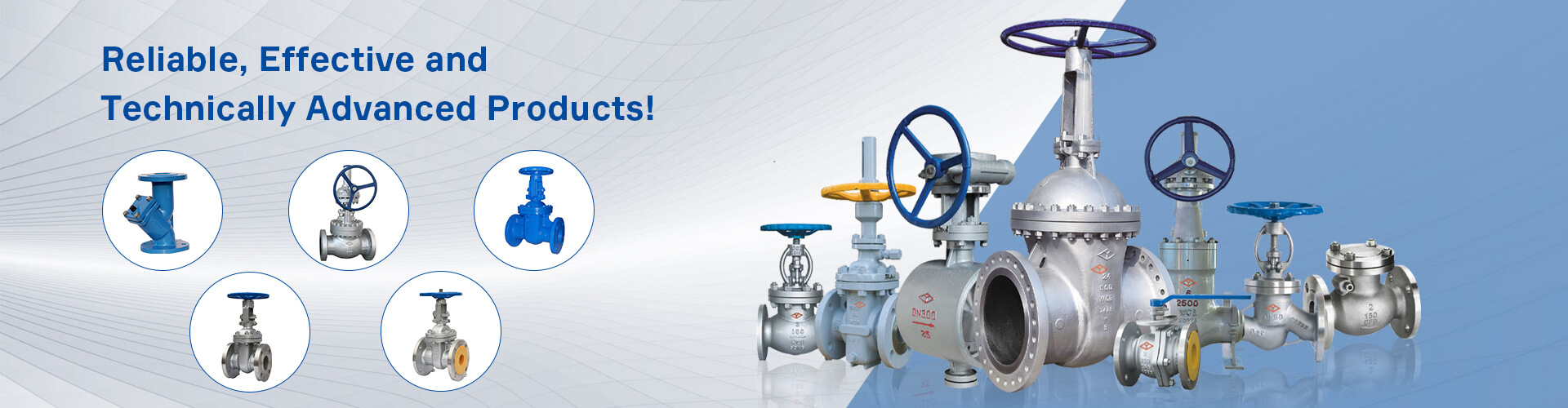
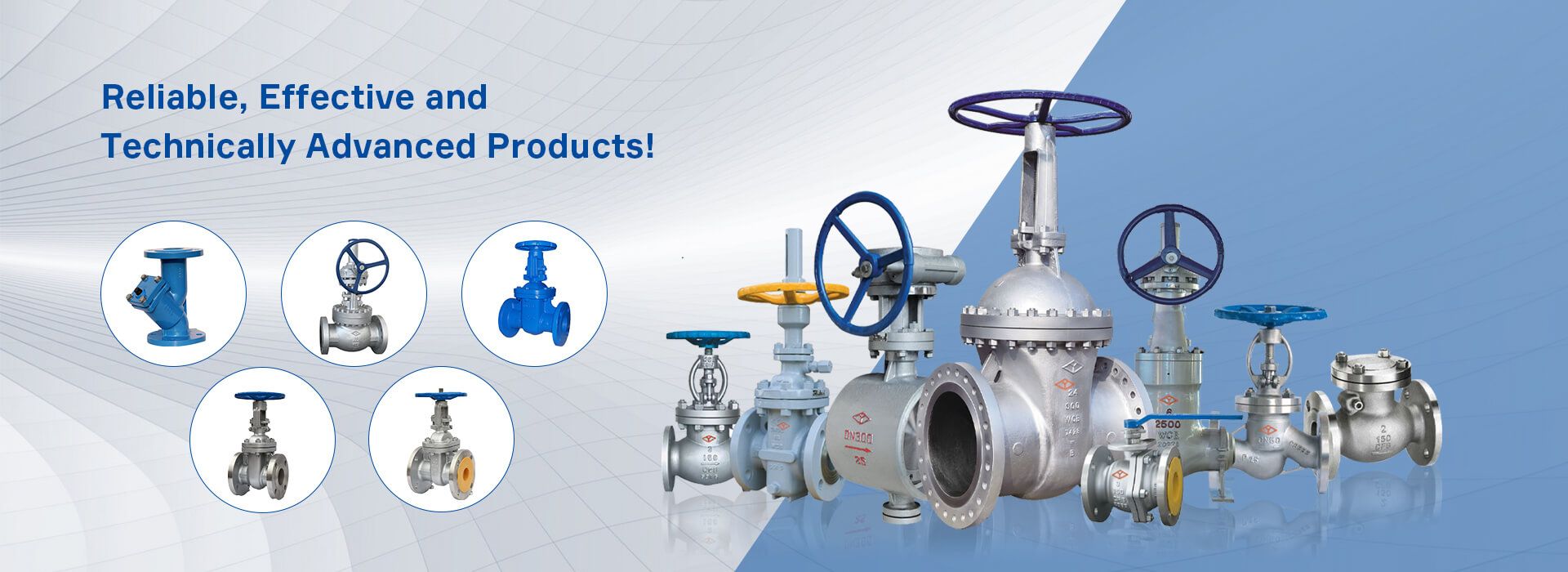
YUANDA Valve Group manufactures a wide range of industrial valves, including gate valves, globe valves, ball valves, butterfly valves, check valves, and strainers.
Depending on project requirements, YUANDA valves can be supplied with manual operation or integrated with suitable actuator systems. Products are manufactured according to GB, ANSI, DIN, BS, JIS, Russian, and other international standards, allowing customers to select solutions that match their pipeline systems and control requirements.
Selecting the right actuation method is an important part of valve selection. Manual, electric, pneumatic, and hydraulic actuators each offer unique advantages depending on the application.
By understanding operating conditions and automation requirements, engineers can choose the most appropriate solution for long-term system performance.
With a comprehensive range of industrial valves and support for multiple international standards, YUANDA Valve Group provides reliable valve solutions for a wide variety of industrial applications.