
When buyers request quotations for industrial valves, it is common to receive very different prices from different suppliers. Sometimes the price difference is small, while in other cases, the gap can be significant.
A lower price does not necessarily mean a better deal, just as a higher price does not automatically mean better quality.
For industrial valves, the final price is influenced by the valve design, material, pressure rating, applicable standards, testing requirements, quantity, and many other factors.
Understanding these factors helps buyers compare quotations on a more accurate basis.
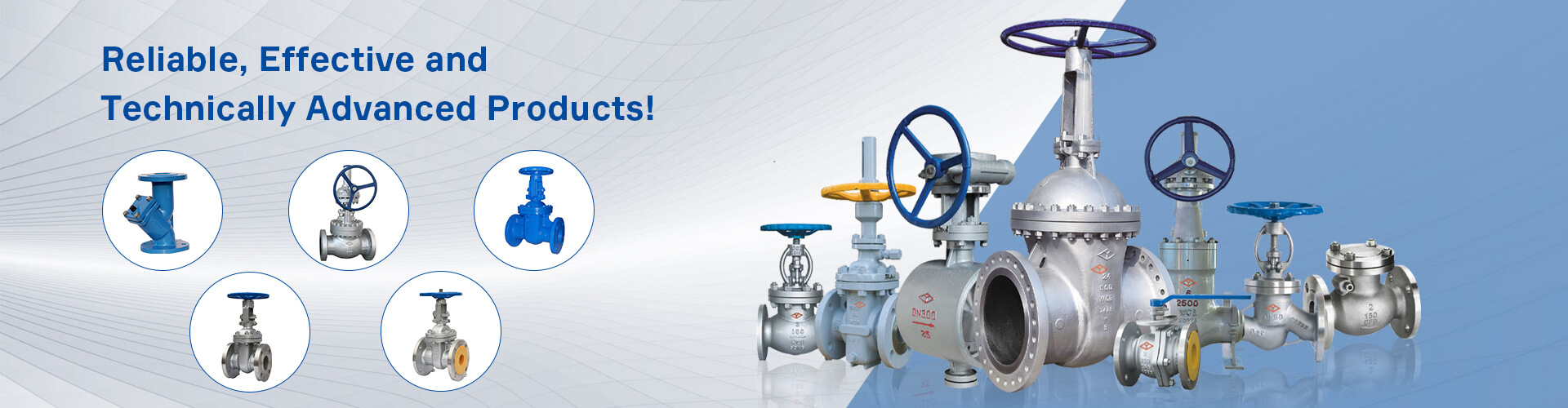
YUANDA Valve Group manufactures industrial valves for different applications and standards, including GB, ANSI, DIN, BS, JIS, Russian, and other applicable standards.
Different valve designs require different manufacturing processes and components.
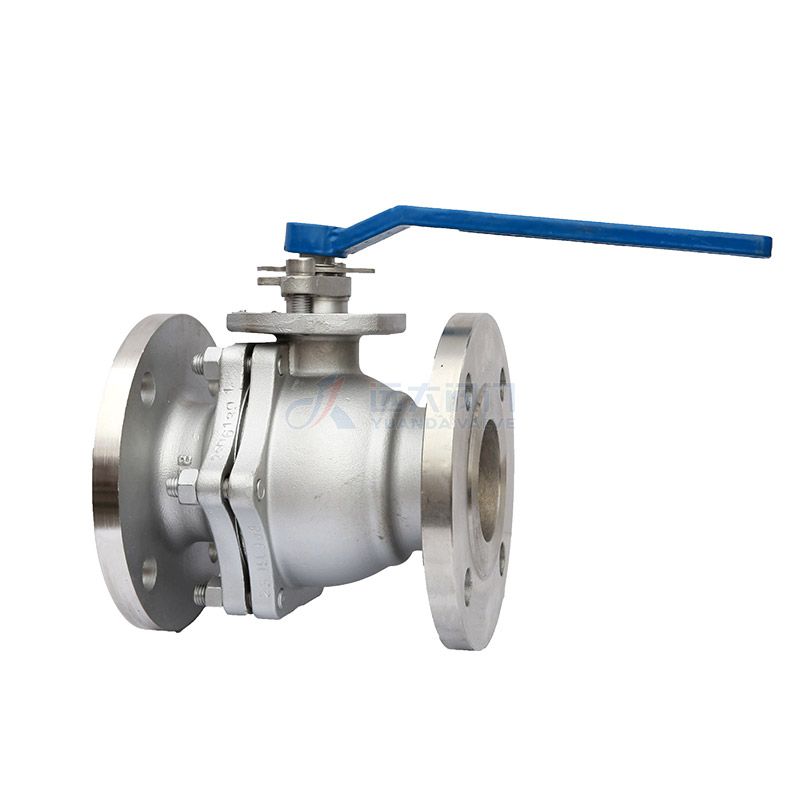
For example, a gate valve, globe valve, ball valve, butterfly valve, and check valve have different internal structures.
A ball valve may require a ball, stem, seats, and other components with relatively tight machining requirements, while a butterfly valve generally has a different structure and material combination.
Therefore, buyers should compare prices between valves with the same technical configuration rather than comparing the product name alone.
Material is one of the most important factors affecting valve price.
Common valve materials include:
Cast iron
Ductile iron
Carbon steel
Stainless steel
Alloy steel
Stainless steel valves, for example, normally have a different material cost from carbon steel valves.
The internal trim and sealing components can also affect the total price.
For this reason, two valves with the same size and pressure rating may still have significantly different prices if their materials are different.
A higher pressure rating normally requires a valve designed for more demanding service conditions.
For example, Class 600 and Class 150 valves are not simply different labels. They can require differences in:
Body design
Wall thickness
Pressure testing
Materials
Machining
Sealing components
When comparing quotations, buyers should always make sure that the pressure class is the same.
Valve size is another obvious price factor.
As valve size increases, the amount of material, machining, handling, testing, and packaging required can also increase.
Large-diameter valves may require additional production equipment and more complex transportation arrangements.
Therefore, the price difference between DN100 and DN500 valves cannot be evaluated simply by multiplying the small-valve price.
Industrial valves may be manufactured according to different standards, including:
GB
ANSI
DIN
BS
JIS
API
Russian standards
Different standards can define different requirements for valve design, dimensions, materials, testing, and manufacturing.
As a result, a quotation based on one standard may not be directly comparable with a quotation based on another.
Buyers should confirm the applicable standard before comparing prices.
The valve connection can affect the manufacturing cost.
Common options include:
Flanged
Butt weld
Socket weld
Threaded
Flanged valves may also require specific flange dimensions and facing requirements.
Special connection requirements can increase machining and inspection work.
For replacement projects, buyers should provide the existing connection specification to avoid receiving a valve that cannot be installed directly.
Sealing components are small compared with the valve body, but they can have a significant effect on valve performance and cost.
Different applications may require different seat, packing, gasket, or O-ring materials.
For example, a valve for normal-temperature water service may use a different sealing configuration from a valve designed for high-temperature or corrosive service.
The cheapest sealing material is not necessarily the most suitable option.
Not every valve quotation includes the same level of inspection.
A standard quotation may include normal factory testing, while a project may require additional inspection or testing.
Requirements may include:
Shell test
Seat leakage test
Hydrostatic test
Dimensional inspection
Material inspection
Third-party inspection
Additional inspection requirements can increase the total cost, but they may be necessary for critical applications.
Buyers should therefore confirm exactly what testing is included in each quotation.
Industrial projects often require technical documentation.
Depending on the project, the buyer may request:
Material Test Certificates
Test reports
Inspection reports
Drawings
Certificates of conformity
Manufacturing records
If one supplier includes a complete documentation package while another provides only basic documents, the two quotations are not necessarily equivalent.
Documentation requirements should therefore be compared together with the product price.
Order quantity can have an important effect on unit price.
Large-volume orders may allow manufacturers to improve production efficiency and spread certain setup and procurement costs across more units.
Small quantities or highly customized valves may have a higher unit cost because the manufacturer has fewer opportunities to optimize production.
Lead time can also affect pricing when urgent production is required.
A valve's purchase price is only one part of the total cost.
A low-cost valve may become more expensive if it causes:
Installation problems
Additional inspection
Early maintenance
Replacement
Production downtime
For industrial projects, buyers should consider the total value of the valve, not just the initial quotation.
The goal is to compare technically equivalent products and then evaluate price, quality, delivery, and service.
A practical comparison should look something like this:
Product: Same valve type
Size: Same DN/NPS
Rating: Same PN/Class
Material: Same or equivalent material
Connection: Same standard
Face-to-face: Same requirement
Testing: Same inspection scope
Documentation: Same documentation package
Quantity: Same quantity
Delivery: Comparable lead time
Only after these factors are confirmed does the price comparison become meaningful.
YUANDA Valve Group manufactures a wide range of industrial valves, including gate valves, globe valves, ball valves, butterfly valves, check valves, and strainers.
The company supports different technical requirements and manufactures valves according to GB, ANSI, DIN, BS, JIS, Russian, and other applicable standards.
Different materials, pressure ratings, sizes, connection types, and testing requirements can be specified according to the application and project requirements.
For buyers, this means the quotation should be evaluated together with the complete technical specification rather than considering the unit price alone.
Industrial valve prices are influenced by many factors, including valve type, size, material, pressure rating, standards, connections, sealing materials, testing, documentation, quantity, and delivery requirements.
When comparing suppliers, buyers should first make sure that the quotations are technically equivalent.
A professional procurement decision is not simply about finding the lowest price. It is about finding the right balance between technical compliance, product quality, delivery, documentation, and total cost.
With experience in manufacturing industrial valves for different applications and international standards, YUANDA Valve Group provides valve solutions based on the specific technical and commercial requirements of customers.