
The type of fluid flowing through a pipeline is one of the most important factors when selecting an industrial valve. Water, steam, oil, gas, and chemicals all have different characteristics, so the same valve may not be suitable for every application.
Choosing the right valve requires a clear understanding of the fluid, pressure, temperature, and operating conditions.
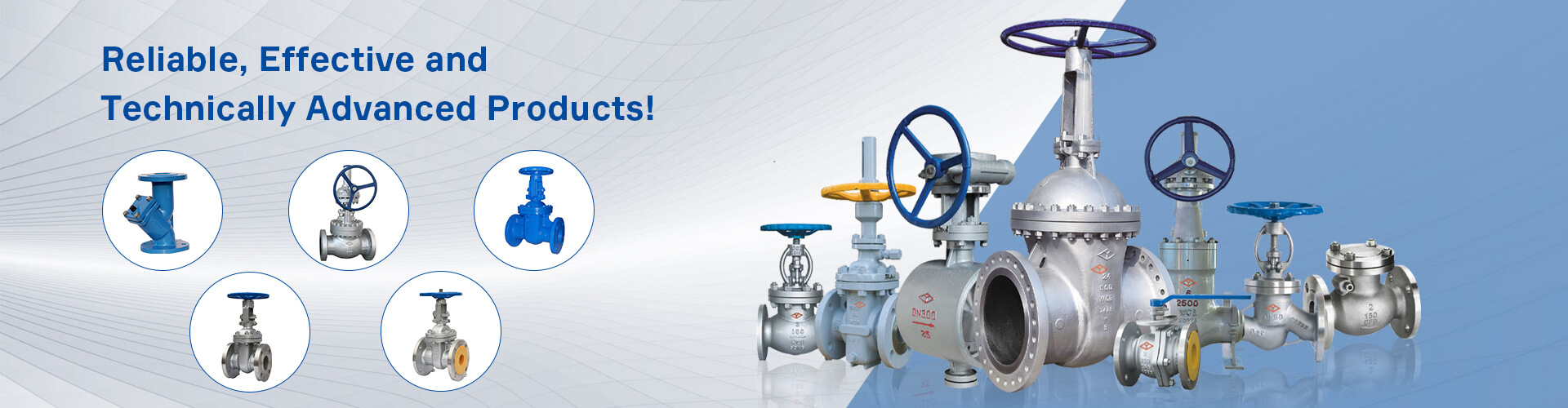
YUANDA Valve Group provides a wide range of industrial valves for different fluids and working conditions, with products manufactured according to GB, ANSI, DIN, BS, JIS, Russian, and other standards.
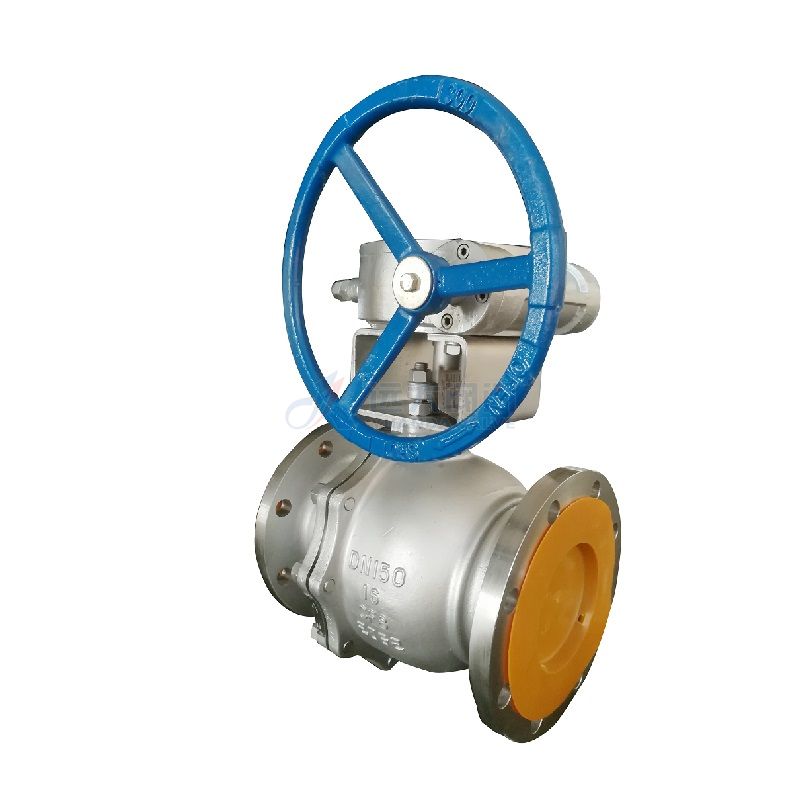
Water is one of the most common fluids in industrial and municipal pipeline systems.
Water applications can be found in:
Water supply systems
Wastewater treatment
Cooling systems
Fire protection systems
Irrigation systems
Gate valves, butterfly valves, check valves, and globe valves are commonly used in water systems.
For general water applications, ductile iron and cast iron are widely used because they offer a good balance between performance and cost. For more demanding conditions, carbon steel or stainless steel may be considered.
Steam requires careful valve selection because of its high temperature and pressure.
The valve material must be suitable for the operating temperature, while the sealing design must provide reliable performance under repeated heating and cooling.
Common valve choices for steam systems include:
Globe valves
Gate valves
Check valves
Ball valves
Carbon steel and alloy steel valves are often selected for higher-temperature steam applications.
When selecting a steam valve, engineers should always check both the pressure rating and temperature rating rather than looking at pressure alone.
Oil systems require valves with suitable sealing materials and good resistance to the operating conditions of the process.
Common applications include:
Crude oil pipelines
Fuel systems
Oil storage facilities
Refineries
Industrial processing systems
Ball valves and gate valves are widely used for oil service because they can provide reliable shut-off performance.
The valve material and seal material should be selected according to the type of oil, temperature, pressure, and other operating conditions.
Gas pipelines require reliable sealing because leakage can create safety and environmental concerns.
Ball valves are commonly used for gas service because they provide fast operation and good shut-off performance.
Gate valves may also be used where full-flow isolation is required.
For gas applications, engineers should pay close attention to:
Pressure rating
Sealing performance
Valve material
Operating temperature
Applicable safety standards
The correct valve design is essential for safe gas transportation and distribution.
Chemical applications can be more challenging because different chemicals may react with valve materials.
A valve that works well with water may not be suitable for a corrosive chemical.
Before selecting a valve for chemical service, engineers should consider:
Chemical composition
Concentration
Temperature
Pressure
Corrosion characteristics
Stainless steel and special alloy materials are often selected when higher corrosion resistance is required.
In some applications, the valve's internal components and sealing materials are just as important as the valve body material.
The fluid itself is only part of the selection process. Temperature can significantly affect valve performance.
High temperatures may affect:
Valve body strength
Seat materials
Stem packing
Gaskets
Sealing performance
For this reason, pressure and temperature should always be considered together when selecting an industrial valve.
The valve must be able to safely withstand the maximum pressure of the system.
Before ordering a valve, engineers should confirm:
Normal operating pressure
Maximum operating pressure
Normal operating temperature
Maximum operating temperature
The selected valve should meet the required pressure-temperature rating under the actual operating conditions.
YUANDA Valve Group manufactures a wide range of industrial valves, including gate valves, globe valves, ball valves, butterfly valves, check valves, and strainers.
Different materials and standards are available to meet the requirements of different pipeline systems.
YUANDA products are manufactured according to GB, ANSI, DIN, BS, JIS, Russian, and other international standards, providing customers with more choices for water, steam, oil, gas, chemical, and general industrial applications.
There is no single valve that is suitable for every type of fluid. The correct choice depends on the fluid itself as well as pressure, temperature, material compatibility, and the requirements of the pipeline system.
By understanding these factors before purchasing a valve, engineers and buyers can reduce the risk of leakage, premature wear, and unexpected maintenance.
With a broad product range and experience in manufacturing valves for different industrial applications, YUANDA Valve Group provides practical valve solutions for a wide range of fluid systems.