
When purchasing an industrial valve, buyers often focus on valve type, size, pressure rating, and material. However, the end connection is equally important because it determines how the valve will be installed in the pipeline.
A valve with the correct pressure rating and material may still be unsuitable if its end connection does not match the piping system.
For engineers and buyers, understanding the main valve end connection types can make specification review and product selection much easier.
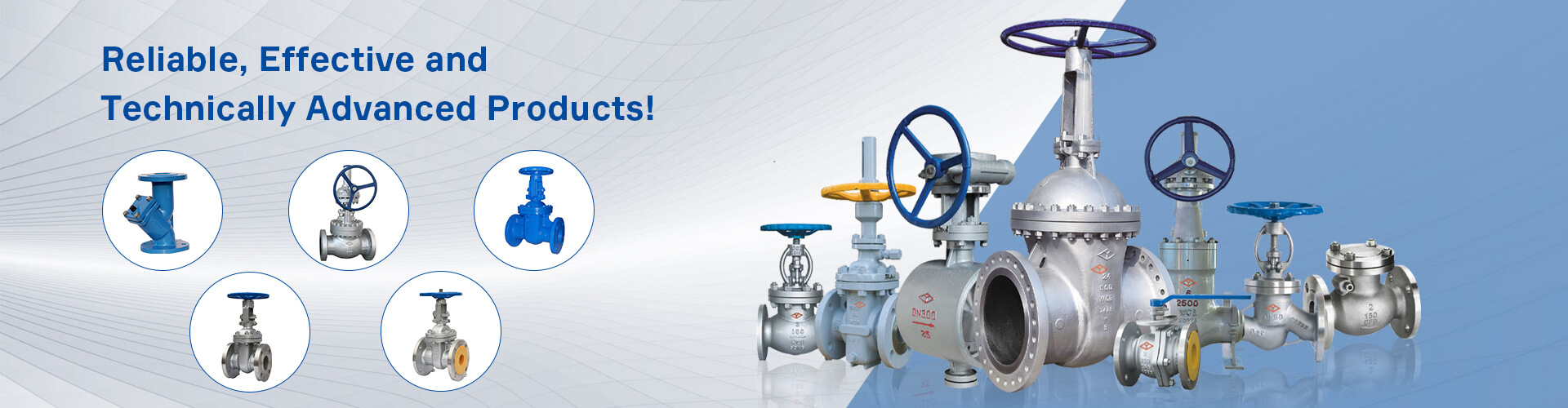
YUANDA Valve Group manufactures industrial valves with different connection configurations and supports various international standards, including GB, ANSI, DIN, BS, JIS, Russian, and other applicable standards.
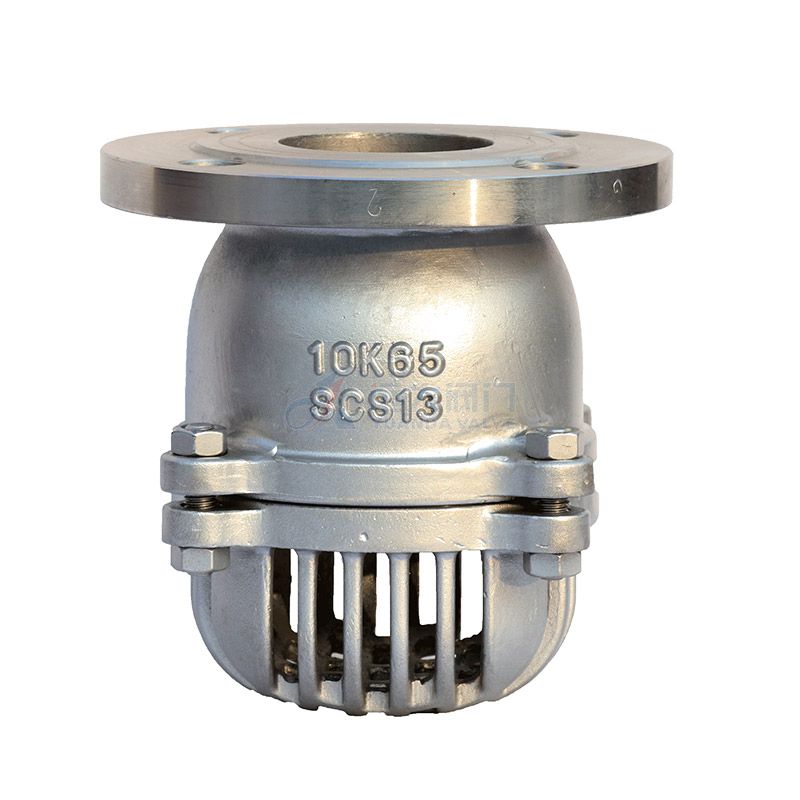
The end connection is the method used to connect a valve to the pipeline.
Common industrial valve connections include:
Flanged ends
Threaded ends
Butt-weld ends
Socket-weld ends
Wafer connections
Lug connections
The appropriate connection depends on the pipeline design, pressure, temperature, valve size, maintenance requirements, and applicable standard.
Flanged connections are widely used in industrial pipeline systems.
A flanged valve is connected to the pipeline using bolts, nuts, and gaskets between matching flange faces.
One major advantage of a flanged connection is that the valve can generally be removed without cutting the pipeline.
This makes it practical for equipment that may require regular inspection or replacement.
Flanged valves are commonly found in:
Water treatment
Oil and gas
Power plants
Chemical processing
HVAC systems
Industrial water systems
For large-diameter valves, flanged connections are particularly common.
When ordering a flanged valve, buyers should not specify only "flanged."
They may also need to confirm:
Flange standard
Pressure class
Flange facing
Bolt-hole arrangement
Flange dimensions
Valve face-to-face dimension
For example, ANSI/ASME and DIN flange systems may have different dimensions and connection requirements.
Threaded valves use internal or external threads to connect with the pipeline or fittings.
They are generally more common in smaller pipe sizes.
Threaded connections can be convenient for applications where welding equipment is not desirable or where quick installation is required.
However, the thread standard needs to match the corresponding pipe or fitting.
Common thread specifications can vary by region and standard, so buyers should clearly define the required thread type.
A butt-weld valve is connected to the pipeline by welding the valve ends directly to the pipe.
This creates a permanent connection and can provide a compact pipeline arrangement.
Butt-weld valves are often used in applications where:
High pressure is involved
High temperature is involved
Leakage prevention is critical
A permanent connection is preferred
Because the valve becomes part of the welded pipeline, removal usually requires cutting and re-welding.
This should be considered when planning maintenance.
Socket-weld valves are generally used for smaller pipe sizes.
The pipe is inserted into a socket in the valve end and then welded.
This connection provides a compact arrangement and is commonly used in industrial piping systems.
As with other connection types, the pipe size, wall thickness, pressure requirements, and applicable standards should be confirmed before ordering.
Wafer butterfly valves are installed between two pipeline flanges.
Unlike a traditional flanged valve, the valve body itself does not normally have full flanges extending outward.
The compact design makes wafer butterfly valves useful where installation space and weight are important considerations.
However, the valve still needs to be compatible with the pipeline flange arrangement.
Before purchasing, buyers should confirm the applicable flange standard and valve dimensions.
Lug butterfly valves have threaded inserts or lugs around the valve body.
The valve can be bolted to the pipeline flanges.
One practical advantage is that certain lug designs can make maintenance on one side of the pipeline easier, depending on the system arrangement.
As with wafer valves, buyers should confirm the flange dimensions, pressure rating, and installation requirements.
There is no single connection type that is best for every application.
Consider a flanged connection when:
Easy valve removal is important
The pipeline uses flanges
Large valve sizes are involved
Regular maintenance is expected
Consider threaded connections when:
The pipeline is relatively small
The application is suitable for threaded joints
Simple installation is preferred
Consider butt-weld connections when:
A permanent connection is preferred
The system operates at high pressure or temperature
Leakage control is particularly important
Consider socket-weld connections when:
The pipe size is relatively small
A welded connection is required
The piping design supports socket-weld construction
End connections are not simply mechanical details.
Different standards can specify different:
Dimensions
Bolt patterns
Thread profiles
Facing requirements
Wall thickness requirements
For example, a valve designed for one flange standard may not directly match a pipeline designed for another.
This is why buyers should provide the complete connection specification when requesting a quotation.
The connection must also be suitable for the required pressure.
A valve may have a high pressure rating, but the connected piping, flange, gasket, bolts, and other components must also be suitable for the system.
The pipeline should therefore be evaluated as a complete pressure system rather than looking at the valve rating alone.
Maintenance requirements should also be considered during selection.
A flanged valve can generally be removed by unbolting the connection, while a welded valve normally requires cutting and additional welding work.
For equipment that requires frequent maintenance, accessibility and removal method can therefore influence the preferred connection type.
When requesting an industrial valve quotation, buyers should provide as much connection information as possible.
A useful specification can include:
Valve type
Valve size
Pressure rating
End connection
Connection standard
Flange standard, if applicable
Face-to-face dimension
Body material
Operating temperature
Operating pressure
Process medium
Providing this information allows manufacturers to quote the correct valve configuration instead of making assumptions.
YUANDA Valve Group manufactures a wide range of industrial valves, including gate valves, globe valves, ball valves, butterfly valves, check valves, and strainers.
Depending on the valve type and project requirements, different connection configurations and dimensional standards can be provided.
YUANDA supports valve manufacturing according to GB, ANSI, DIN, BS, JIS, Russian, and other applicable standards, allowing customers to select products that correspond with different pipeline systems and technical specifications.
For international valve procurement, confirming the connection standard at the beginning of the project can help reduce installation problems and improve compatibility between the valve and pipeline.
Valve end connection is a key part of industrial valve selection. Flanged, threaded, butt-weld, socket-weld, wafer, and lug connections each have different characteristics and applications.
The correct choice depends on the pipeline design, valve size, pressure, temperature, maintenance requirements, and applicable standards.
For buyers, the most important point is to confirm the connection requirements before placing an order. A valve is only useful when its technical specifications and physical connection are compatible with the pipeline.
With experience in manufacturing industrial valves for GB, ANSI, DIN, BS, JIS, Russian, and other standards, YUANDA Valve Group provides valve configurations for different industrial pipeline requirements.