
When selecting an industrial valve, many buyers focus on the valve type, pressure rating, or material. However, the connection type is just as important. Choosing the wrong valve end connection can increase installation costs, make maintenance more difficult, or even affect the safety of the entire piping system.
This guide explains the most common valve end connections, their advantages, and the applications they are best suited for.
A valve is only one part of a piping system. It must connect securely to pipes, flanges, or fittings while maintaining a reliable seal under operating pressure.
The correct connection type can provide:
Easier installation
Better sealing performance
Lower maintenance costs
Improved system reliability
Longer service life
The best choice depends on the pipeline design, operating conditions, and maintenance requirements.
Flanged connections are among the most widely used in industrial piping systems. The valve is connected to the pipeline using matching flanges, bolts, nuts, and a gasket.
Easy to install and remove
Suitable for medium and large pipe sizes
Convenient for inspection and maintenance
Strong sealing performance
Water treatment plants
Oil and gas pipelines
Power stations
Chemical processing facilities
Municipal infrastructure
Because of their flexibility and reliability, flanged valves are commonly specified for industrial projects.
Threaded valves connect directly to threaded pipes without welding.
Simple installation
Lower installation cost
No welding required
Easy replacement
Small-diameter pipelines
Compressed air systems
Utility services
Low-pressure water systems
Threaded valves are generally used in smaller piping systems where frequent maintenance may be required.
Butt weld connections are permanently welded to the pipeline.
High mechanical strength
Excellent leak prevention
Suitable for high pressure and high temperature
No flange bolts or gaskets required
Steam systems
Oil refineries
Petrochemical plants
High-pressure process pipelines
Because the connection is welded, butt weld valves are often selected for critical industrial services.
Socket weld valves are designed for smaller pipe sizes. The pipe is inserted into the socket before welding.
Compact design
Strong connection
Good sealing performance
Suitable for smaller high-pressure pipelines
High-pressure utility systems
Hydraulic systems
Process piping
Industrial equipment
Socket weld connections are commonly used where both strength and compact installation are important.
Before selecting a valve, engineers should consider several factors:
Pipeline size
Operating pressure
Operating temperature
Installation method
Maintenance requirements
Industry standards
For example, a municipal water system may prefer flanged valves because they are easy to maintain, while a refinery may require butt weld valves for maximum strength and leak resistance.
YUANDA Valve Group manufactures industrial valves with a variety of end connection options to meet different engineering requirements.
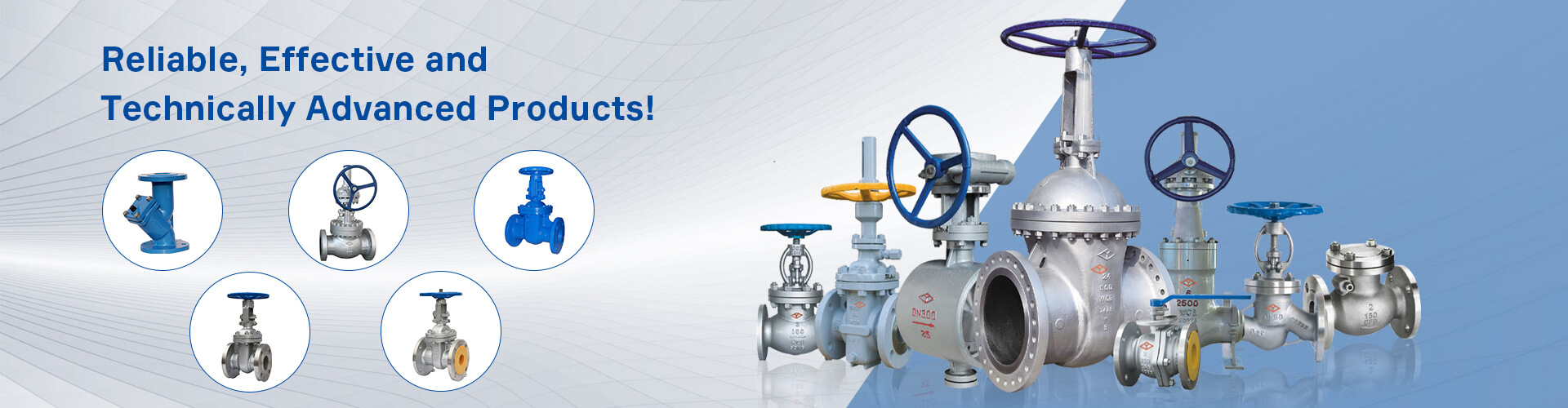
The company's product range includes gate valves, globe valves, ball valves, butterfly valves, check valves, and strainers manufactured according to GB, ANSI, DIN, BS, JIS, Russian, and other international standards.
By offering multiple connection types, YUANDA helps customers select valves that match their piping systems while ensuring reliable installation and long-term performance.
The connection type is an important part of valve selection. A suitable connection improves sealing performance, simplifies installation, and supports long-term system reliability.
Whether the application requires flanged, threaded, butt weld, or socket weld valves, choosing the correct connection based on operating conditions and engineering requirements is essential.
With a wide product range and support for multiple international standards, YUANDA Valve Group provides industrial valve solutions designed for a variety of pipeline systems and applications.