
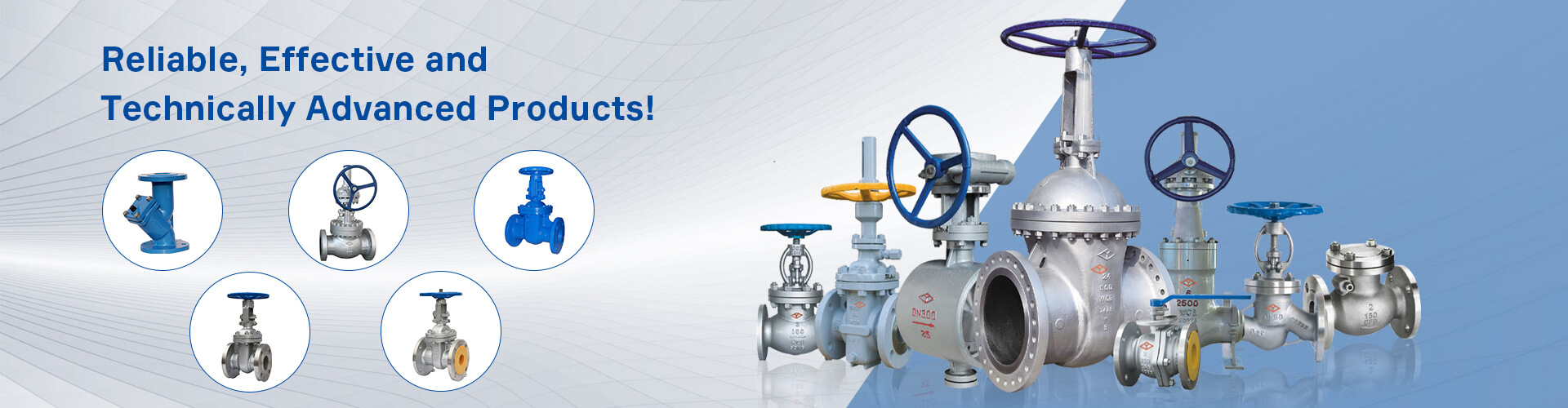
Selecting the right valve material is just as important as choosing the correct valve type. Even if two valves have the same design and pressure rating, different materials can lead to very different performance and service life.
At YUANDA Valve Group, industrial valves are available in a variety of materials to meet different operating conditions and international standards. Understanding the characteristics of each material helps engineers and buyers make better decisions.
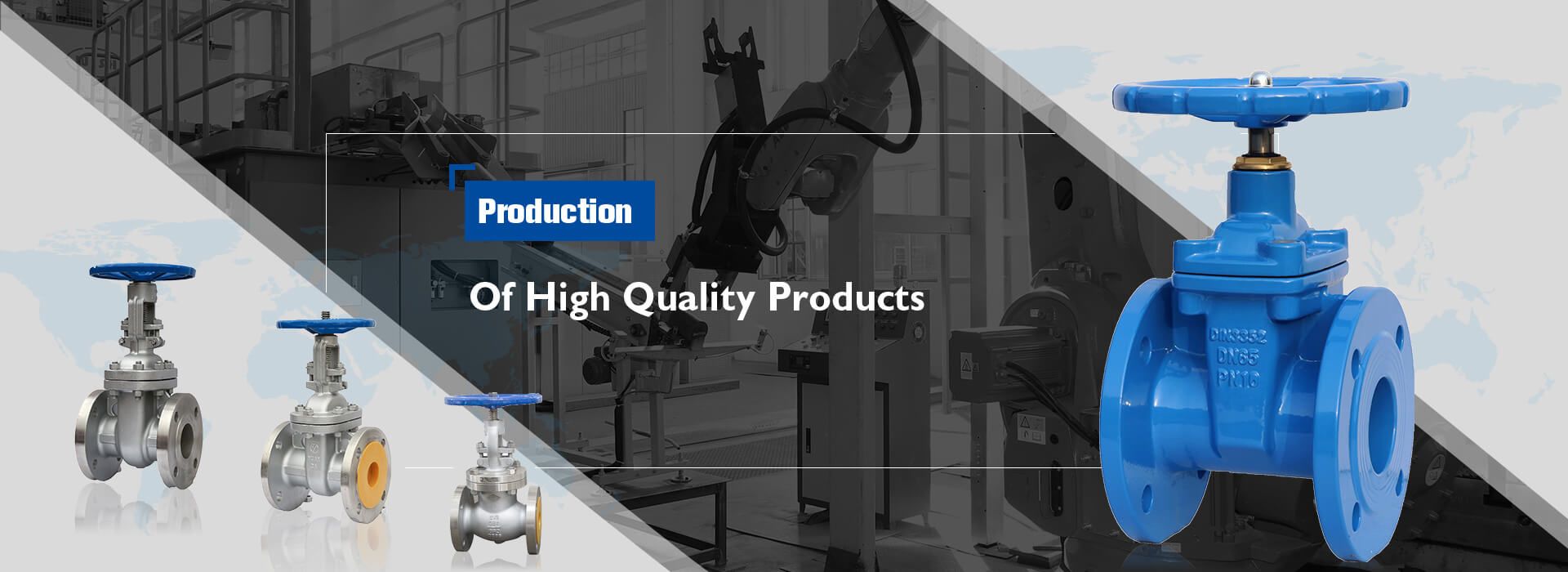
The valve body is constantly exposed to pressure, temperature, and the process medium. If the material is not suitable for the application, problems such as corrosion, leakage, cracking, or early wear may occur.
When selecting a valve material, engineers usually consider:
Working pressure
Operating temperature
Type of fluid
Corrosion resistance
Mechanical strength
Service life
Choosing the right material improves safety, reduces maintenance, and extends the operating life of the valve.
Cast iron is widely used in water supply and HVAC systems because it is economical and easy to manufacture.
Typical applications include:
Water distribution
Fire protection systems
Low-pressure pipelines
However, cast iron is not recommended for high-pressure or severe impact conditions because it has relatively low ductility.
Compared with cast iron, ductile iron offers higher strength and better toughness.
Its advantages include:
Better impact resistance
Higher pressure capacity
Longer service life
Good cost-performance balance
Ductile iron valves are commonly used in municipal water systems, wastewater treatment, and industrial water pipelines.
Carbon steel is one of the most common materials for industrial valves.
It provides:
High mechanical strength
Good pressure resistance
Reliable performance at elevated temperatures
Carbon steel valves are widely used in oil and gas, steam systems, power plants, and petrochemical industries.
Stainless steel is selected when corrosion resistance is the primary concern.
It performs well in applications involving:
Chemicals
Seawater
Food processing
Pharmaceutical production
Clean water systems
Although stainless steel valves generally cost more than carbon steel valves, they often provide a longer service life in corrosive environments.
Many buyers focus only on the initial purchase price, but the lowest-cost material is not always the most economical choice.
A valve installed in the wrong environment may require frequent maintenance or early replacement, resulting in higher operating costs.
When selecting a valve material, the total lifecycle cost should be considered instead of purchase price alone.
YUANDA Valve Group manufactures industrial valves using materials such as cast iron, ductile iron, carbon steel, stainless steel, and other alloys according to customer requirements.
The company's product range includes gate valves, globe valves, butterfly valves, ball valves, check valves, and strainers manufactured in accordance with GB, ANSI, DIN, BS, JIS, Russian, and other international standards.
This allows customers to choose both the appropriate material and the correct standard for their application.
There is no single valve material that is suitable for every application. The best choice depends on pressure, temperature, fluid properties, and operating conditions.
By offering multiple material options and manufacturing valves to international standards, YUANDA Valve Group helps customers select reliable solutions for a wide range of industrial applications. Careful material selection not only improves system performance but also reduces maintenance costs and extends equipment life.