
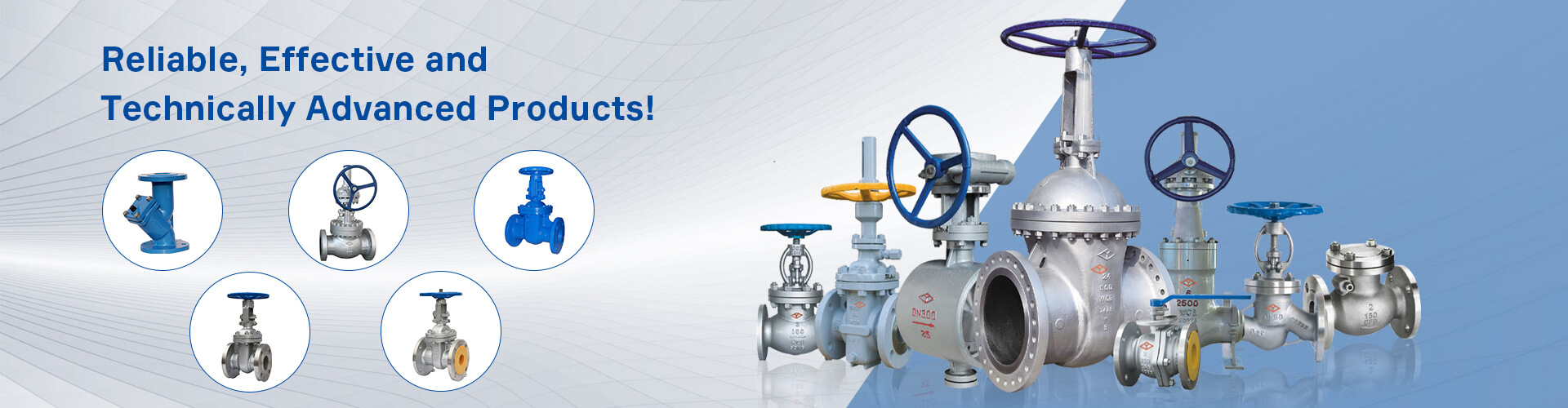
Strainer valves are essential components in piping systems that protect pumps, meters, control valves, and other critical equipment from damage caused by debris, sediment, and foreign particles. By integrating a straining mechanism with a valve body, these devices combine the functions of flow control and filtration, ensuring smooth operation and prolonging equipment life. Strainer valves are widely used in industrial, municipal, and commercial applications, from water and wastewater treatment to chemical processing and fire protection.
A strainer valve works by allowing fluid to pass through a screen or mesh that traps solid particles. When the flow passes through the valve, debris is collected on the strainer element, preventing it from entering downstream equipment.
Depending on the design, the valve can be either manual or automated, and the strainer element can be removable or cleanable to facilitate maintenance. Some strainer valves are equipped with blow-off ports that allow trapped debris to be flushed without disassembling the system.
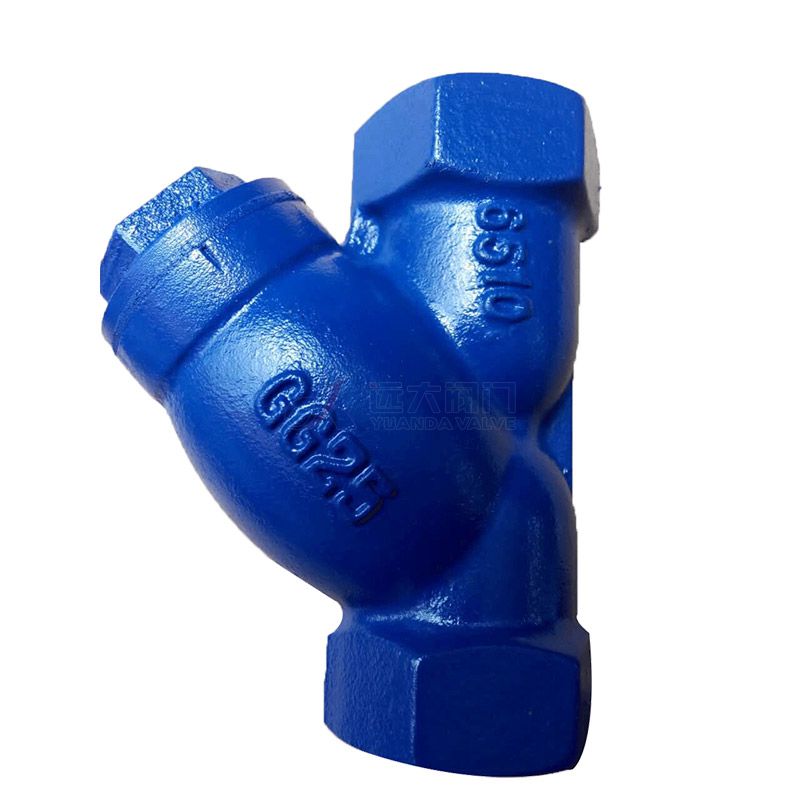
Acts as both a flow control valve and a filtration device.
Protects pumps, valves, meters, and other equipment from clogging or damage.
Available in materials such as stainless steel, carbon steel, cast iron, and bronze.
Resistant to corrosion, high pressure, and temperature fluctuations.
Y-Strainers: Compact design, ideal for smaller pipelines.
T-Strainers: Common in larger pipelines, easier to clean.
Basket Strainers: Large surface area for higher debris capacity.
Strainer elements can be removed for cleaning or replacement.
Some designs allow blow-off cleaning without shutting down the system.
Handles water, chemicals, oils, steam, and other fluids.
Suitable for high-pressure or high-temperature systems depending on material and design.
Protects pumps and compressors from debris in chemical, petrochemical, and power generation plants.
Ensures precise operation of flow meters and control valves by removing particulate contamination.
Removes sand, silt, and debris from raw water or municipal water pipelines.
Protects water treatment equipment and distribution networks from clogging.
Ensures hydrants, sprinklers, and fire pumps operate reliably by preventing blockages.
Protects heat exchangers, boilers, and chillers from scaling and particle accumulation.
Prevents equipment failure: Reduces downtime and maintenance costs.
Improves system efficiency: Maintains consistent flow and pressure.
Versatile material selection: Suitable for corrosive, abrasive, or high-temperature fluids.
Easy maintenance: Removable strainer or blow-off capability reduces labor and system downtime.
Customizable designs: Available in various sizes, mesh types, and connection options.
Stainless Steel: Best for corrosive fluids or high-purity applications.
Carbon Steel: Ideal for high-pressure industrial systems.
Cast Iron: Economical choice for water pipelines and low-pressure applications.
Bronze: Lightweight and corrosion-resistant, suitable for potable water and moderate chemical fluids.
Strainer valves may also feature flanged, threaded, or welded connections depending on installation requirements. The choice of material and strainer type should match the fluid characteristics, pressure, and temperature of the system.
Strainer valves are critical for protecting pipelines and downstream equipment in a wide range of industrial, municipal, and fire protection applications. By combining flow control with filtration, they help maintain system efficiency, reduce maintenance, and extend equipment life. Selecting the right type, material, and maintenance method ensures reliable performance and minimizes the risk of operational interruptions.