
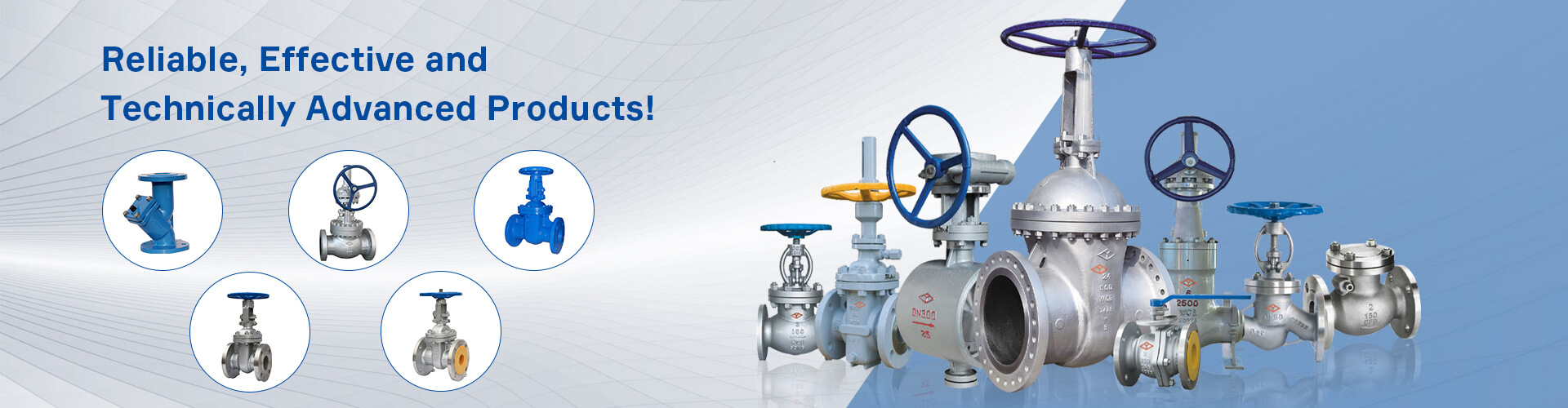
Gate valves are widely used in pipelines and fire protection systems to provide reliable control over fluid flow. Their primary function is to either allow full flow or completely stop it. Unlike throttling valves, gate valves are not designed for regulating flow but excel at providing minimal resistance when fully open and a tight seal when closed. This makes them ideal for industrial piping systems, municipal water networks, and fire protection applications.
Gate valves operate by moving a gate or wedge up and down within the valve body. When the gate is lifted, fluid flows freely through the valve. When the gate is lowered, it creates a tight seal, preventing backflow or leakage. Some gate valves have rising stems, where the stem visibly moves during operation, while others use non-rising stems for space-constrained installations.
Full Bore Flow: When fully open, the valve allows unrestricted flow, minimizing pressure loss.
Reliable Shut-Off: Wedge-shaped gates provide a tight seal for safe isolation.
Durable Construction: Available in materials like stainless steel, carbon steel, cast iron, and bronze to withstand various pressures, temperatures, and environmental conditions.
Versatile Operation: Can be operated manually or fitted with automated actuators for remote control.
Low Maintenance: Simple internal structure ensures long service life with minimal upkeep.
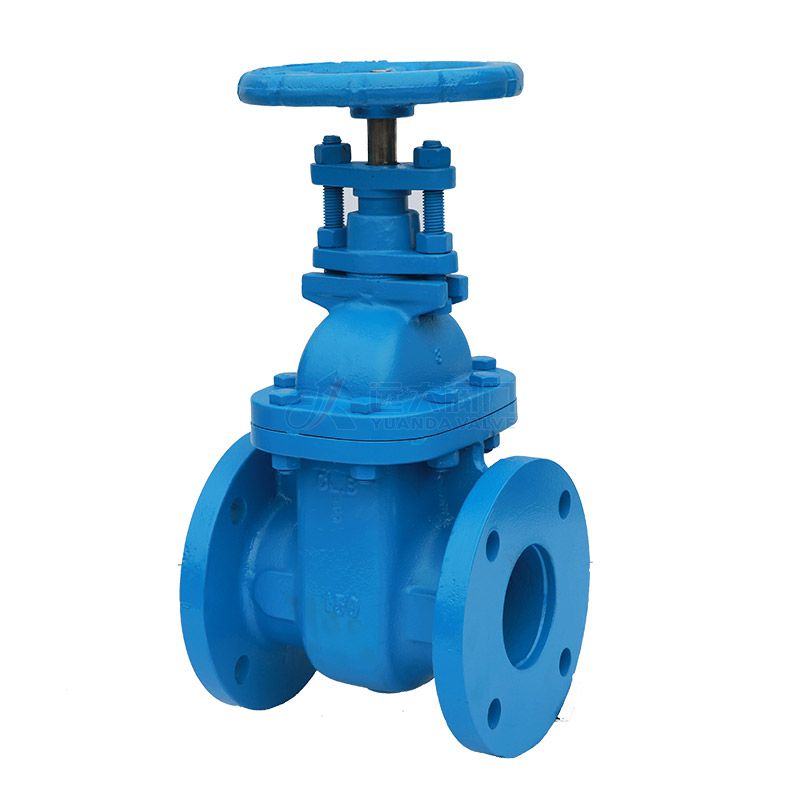
Gate valves are widely used in industrial and municipal piping networks. In industrial plants, they help isolate equipment for maintenance, control flow in water, chemical, and oil pipelines, and facilitate pipeline cleaning or pigging. In municipal water and wastewater systems, gate valves allow sections of the network to be safely isolated for repair or emergency shutdown without disrupting the entire system.
In fire protection systems, gate valves play a crucial role in ensuring safety. They are installed in fire mains, sprinkler systems, hydrant lines, and pump stations to provide reliable isolation of water supply. These valves must operate smoothly, maintain a full flow when needed, and offer a tight shut-off to prevent water loss. High-quality materials and construction ensure the valves remain operational in emergency situations and harsh environmental conditions.
Rising Stem Valves: The stem moves visibly during operation, providing a clear indication of whether the valve is open or closed.
Non-Rising Stem Valves: The stem does not move externally, making them suitable for installations where space is limited.
Solid Wedge Valves: Provide strong sealing in high-pressure systems.
Flexible Wedge Valves: Adjust to minor misalignments in the pipeline and maintain a reliable seal under varying conditions.
Easy to operate and reliable in both fully open and fully closed positions.
Provides full-flow capability with minimal obstruction.
Versatile across a wide range of piping systems and fluids.
Can handle demanding conditions including industrial chemicals, high-pressure lines, and fire protection water supply.
Durable and long-lasting with proper maintenance.
Gate valves should be installed following the flow direction marked on the body, especially in fire protection systems. Avoid using gate valves for flow throttling to prevent damage or vibration. Periodic inspection of the valve gate, stem, and packing ensures smooth operation and leak-free performance. Fire protection valves should also be tested regularly to ensure readiness during emergencies.
Gate valves are essential components for both pipe systems and fire protection networks. Their ability to provide full flow, reliable isolation, and long-term durability makes them a preferred choice in industrial, municipal, and safety-critical applications. Selecting the right material and design ensures that the system operates efficiently, safely, and with minimal maintenance.