
When purchasing industrial valves, pressure rating is one of the first technical parameters that buyers need to confirm. However, international valve specifications do not always use the same pressure designation.
Some valves are specified by Class, such as Class 150, Class 300, or Class 600, while others use PN, such as PN10, PN16, PN25, or PN40.
Because these two systems are widely used in different standards and markets, buyers sometimes assume that a Class rating and a PN rating with similar numbers are directly interchangeable.
They are not.
Understanding the difference can help buyers avoid incorrect valve selection and ensure that the valve is suitable for the actual pipeline system.
YUANDA Valve Group manufactures industrial valves according to different international standards, including GB, ANSI, DIN, BS, JIS, Russian, and other applicable standards.
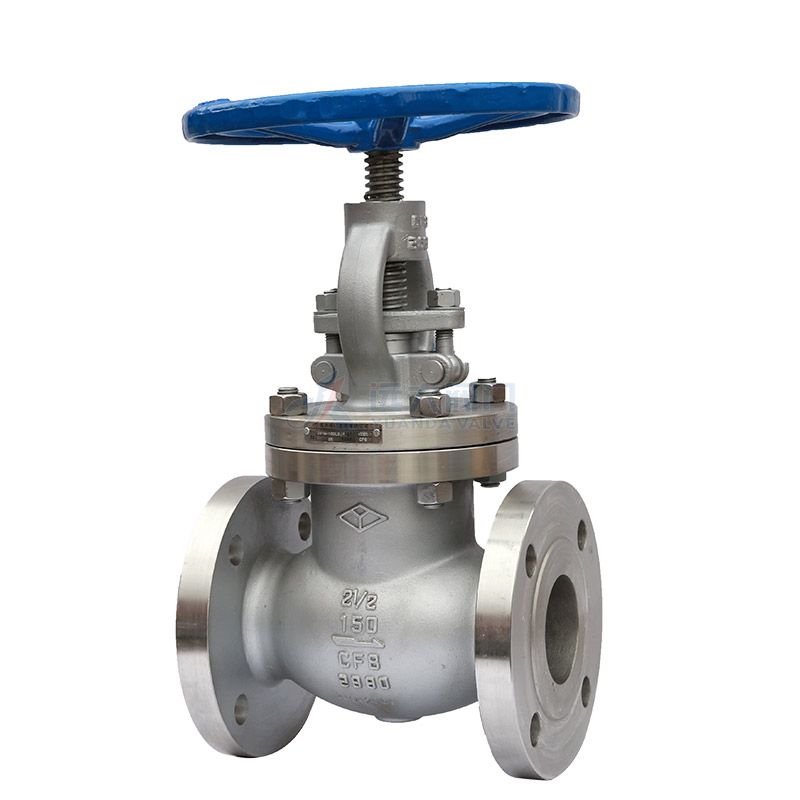
Pressure Class is commonly used in valve and piping systems based on ASME standards.
Typical Class designations include:
Class 150
Class 300
Class 600
Class 900
Class 1500
Class 2500
The number should not be interpreted simply as the maximum working pressure in psi.
The actual allowable pressure depends on factors such as:
Valve material
Operating temperature
Applicable standard
Valve design
For example, the allowable pressure for a Class 300 valve can change as operating temperature changes.
Therefore, a valve should not be selected based only on the Class number.
PN is commonly used in European and other metric-based piping systems.
Typical ratings include:
PN6
PN10
PN16
PN25
PN40
PN63
PN100
PN160
PN stands for nominal pressure.
However, PN16 should not simply be understood as "16 bar under every operating condition."
The actual allowable pressure depends on the applicable standard, material, and temperature.
This is an important point when comparing valves from different manufacturers or standards.
A common mistake is to treat Class 150 and PN16 as exact equivalents.
They are not technically identical designations.
The two systems come from different standards and use different approaches to defining pressure-temperature capabilities.
For this reason, buyers should avoid selecting a replacement valve by simply converting one number into another.
The complete technical specification should be reviewed.
Pressure rating cannot be separated from temperature.
As operating temperature increases, the allowable pressure for certain materials can decrease.
This means that the same valve may have different allowable working pressures at different temperatures.
For example, a valve used for cold water service and the same valve used for high-temperature steam service may have very different pressure limitations.
This is why a professional valve selection should consider both:
Pressure + Temperature
rather than pressure alone.
Material is another important factor.
Different materials have different mechanical properties at different temperatures.
For industrial valves, pressure-temperature ratings may therefore vary depending on whether the valve body is made from:
Cast iron
Ductile iron
Carbon steel
Stainless steel
Alloy steel
When comparing two valves with the same nominal pressure designation, buyers should also verify that their materials and applicable standards are comparable.
Industrial valves can be manufactured according to different standards.
Depending on the project, buyers may encounter:
ANSI / ASME
API
DIN
EN
BS
JIS
GB
Russian standards
These standards may define different requirements for:
Valve design
Dimensions
Materials
Pressure-temperature ratings
Testing
Flange connections
Therefore, the pressure rating should always be considered together with the valve standard.
This is a common question in valve procurement.
The answer is: not automatically.
Even if two valves appear to have similar pressure capabilities, buyers still need to compare:
Actual pressure-temperature ratings
Valve materials
Flange dimensions
Face-to-face dimensions
Bolt-hole arrangement
Sealing face
Design standard
Testing requirements
If these requirements are not compatible, direct replacement may not be possible.
The same principle applies to Class 300 and PN40.
They may sometimes be used in applications with comparable pressure requirements, but they should not be treated as identical ratings.
The actual allowable pressure must be checked against the relevant standard and material.
This is particularly important for high-temperature services, where pressure-temperature limitations can become more restrictive.
Pressure rating becomes especially important when replacing an existing valve.
Before ordering a replacement, buyers should collect information from the existing valve, including:
Valve size
Pressure rating
Material
Connection standard
Face-to-face dimension
Design standard
Operating pressure
Operating temperature
The replacement valve should then be checked against the existing pipeline specification.
Simply ordering a valve with a similar-looking pressure number can create unnecessary risk.
Another common misunderstanding is confusing the valve's rating with its normal operating pressure.
For example, a valve may have a Class 300 rating, but the actual operating pressure of the pipeline may be much lower.
The rating defines the pressure capability under specified conditions. It does not mean that the system should always operate at that pressure.
Similarly, PN40 does not mean that the valve can operate at 40 bar under every temperature and service condition.
The applicable pressure-temperature table should be checked.
When requesting a quotation, buyers should provide more than just:
DN200, PN16 valve
A more complete RFQ may include:
Valve type
Nominal size
Pressure rating
Operating pressure
Design pressure
Operating temperature
Design temperature
Process medium
Body material
End connection
Applicable standard
Testing requirements
Quantity
This gives the manufacturer enough information to confirm the correct configuration.
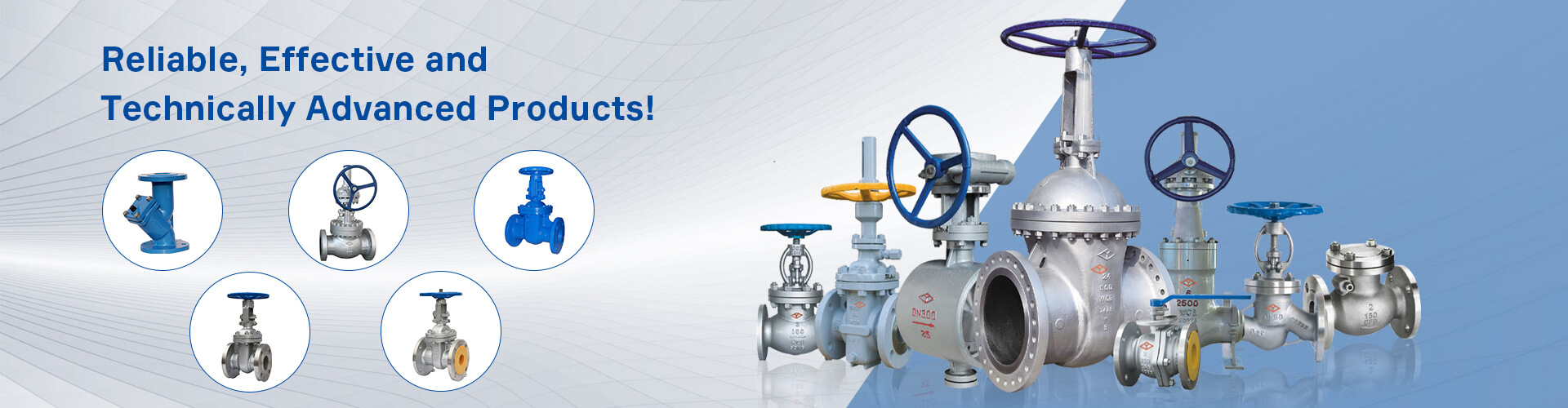
YUANDA Valve Group manufactures a wide range of industrial valves, including gate valves, globe valves, ball valves, butterfly valves, check valves, and strainers.
The company supports different pressure ratings, materials, connection configurations, and manufacturing requirements according to the applicable project specifications.
YUANDA also manufactures valves according to GB, ANSI, DIN, BS, JIS, Russian, and other applicable standards.
This multi-standard capability is important for customers working with different pipeline systems or replacing valves originally manufactured to different standards.
Before ordering a valve, buyers should confirm:
Pressure
Normal operating pressure
Maximum operating pressure
Design pressure
Temperature
Normal operating temperature
Maximum operating temperature
Minimum operating temperature
Rating
Class or PN designation
Applicable pressure-temperature table
Standard
Design standard
Connection standard
Testing standard
Compatibility
Valve material
Flange dimensions
Face-to-face dimensions
Existing pipeline requirements
These checks can prevent many common specification errors.
Class and PN are two widely used systems for describing industrial valve pressure ratings, but they should not be treated as simple equivalents.
The actual pressure capability of a valve depends on the applicable standard, material, temperature, and design.
For buyers, the safest approach is to compare the complete technical specification rather than comparing Class and PN numbers alone.
When selecting or replacing an industrial valve, pressure rating should be considered together with valve size, material, connection, temperature, process medium, and applicable standards.
With experience in manufacturing valves for GB, ANSI, DIN, BS, JIS, Russian, and other standards, YUANDA Valve Group provides industrial valve solutions for different pressure, temperature, connection, and pipeline requirements.