
Home >> News >> How to Read Valve Nameplates and Markings: A Practical Guide for Engineers and Buyers
Every industrial valve carries important information on its nameplate or body markings. These markings are more than just product identification—they provide essential technical details that help engineers, contractors, and maintenance teams select, install, and maintain valves correctly.
Understanding valve markings can prevent installation errors, improve maintenance efficiency, and ensure that the valve meets project specifications.
At YUANDA Valve Group, industrial valves are clearly marked according to applicable standards, allowing customers to quickly identify key product information before installation.
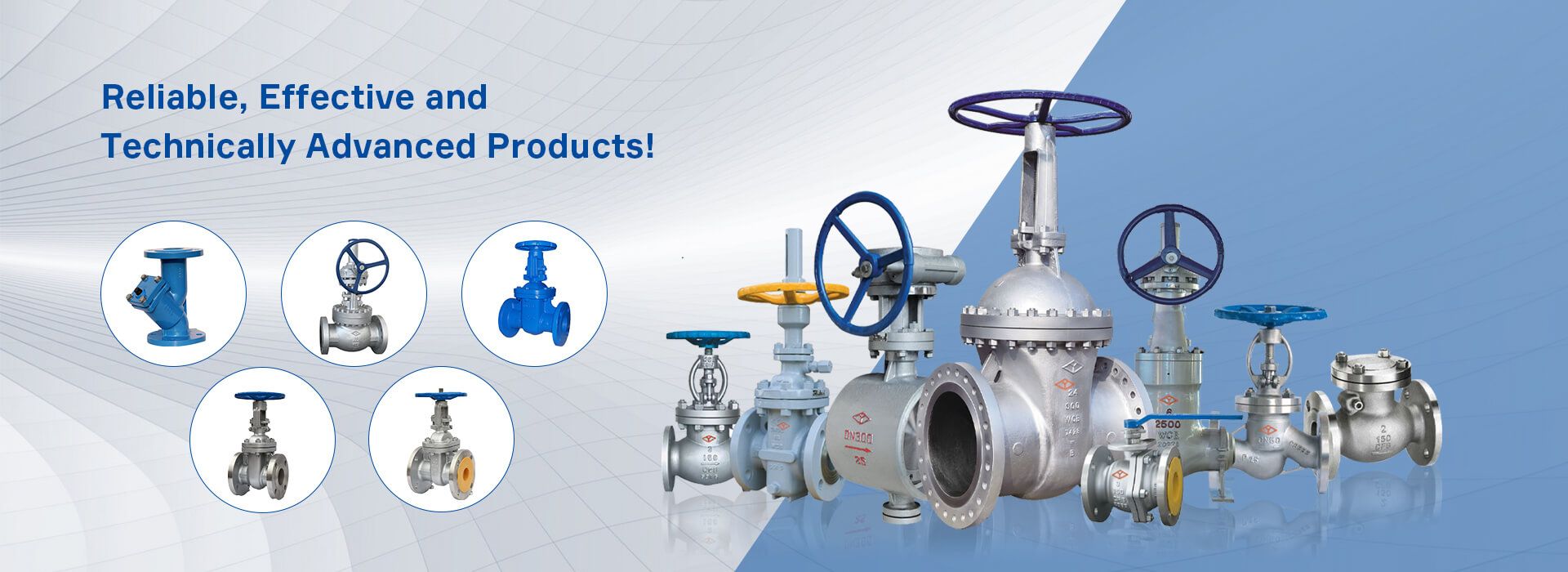
Valve markings provide a quick way to verify whether a valve is suitable for a specific application.
Before installation, engineers should always compare the valve markings with the project requirements to confirm:
Correct valve size
Pressure rating
Material
Manufacturing standard
Flow direction (if applicable)
A simple inspection can help avoid costly mistakes during installation.
Although the exact layout may vary by manufacturer, most industrial valves include the following information.
The valve size indicates the nominal diameter of the valve.
Depending on the standard, it may be marked as:
DN (Nominal Diameter)
NPS (Nominal Pipe Size)
Selecting the correct size ensures compatibility with the pipeline.
The pressure rating tells users the valve's design pressure according to the applicable standard.
Common markings include:
Class 150
Class 300
PN16
PN25
PN40
The pressure rating should always match the operating conditions of the system.
The valve body material is usually marked using internationally recognized material designations.
Common examples include:
WCB
CF8
CF8M
Ductile Iron
Cast Iron
The material determines the valve's strength, corrosion resistance, and suitable operating environment.
Many valves include the design or manufacturing standard on the nameplate.
Examples include:
ANSI
DIN
GB
BS
JIS
These markings help engineers confirm compatibility with existing piping systems and project specifications.
The manufacturer's name or trademark is another important marking.
It allows users to identify the product source, obtain technical support, and trace manufacturing information if required.
For products manufactured by YUANDA Valve Group, the YUANDA brand helps customers identify genuine products and supports product traceability throughout the equipment lifecycle.
Some industrial valves may also include:
Heat number
Casting number
Production batch
Flow direction arrow
Maximum operating temperature
Serial number
These markings provide additional information for quality control, maintenance, and product tracking.
Clear and permanent valve markings offer several advantages.
They help users:
Verify product specifications before installation
Simplify maintenance and replacement
Improve inventory management
Support quality traceability
Reduce installation errors
For large industrial facilities with thousands of valves, accurate identification saves significant time during maintenance and inspection.
YUANDA Valve Group manufactures industrial valves with clear product identification and standardized markings to help customers easily verify technical information.
The company's product portfolio includes gate valves, globe valves, butterfly valves, ball valves, check valves, and strainers manufactured according to GB, ANSI, DIN, BS, JIS, Russian, and other international standards.
By providing complete product identification, YUANDA helps engineers and buyers make informed decisions throughout the installation and maintenance process.
Valve nameplates and body markings contain valuable technical information that should never be overlooked. Understanding these markings helps ensure that the correct valve is installed, operated, and maintained throughout its service life.
With standardized manufacturing, clear product identification, and compliance with multiple international standards, YUANDA Valve Group continues to provide reliable industrial valve solutions for customers acr