
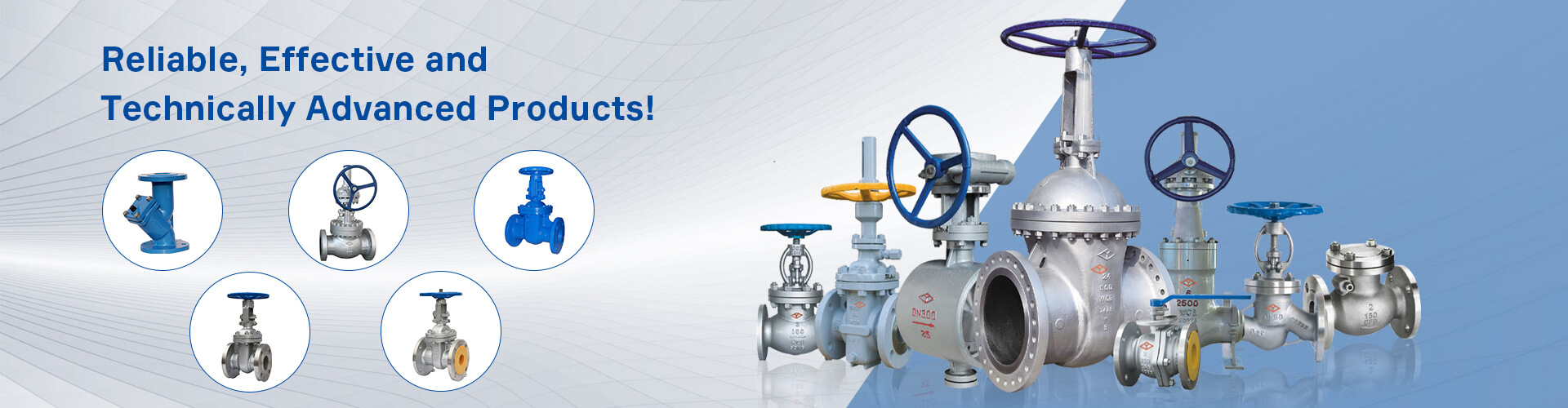
A cast iron globe valve is a type of linear motion valve used to start, stop, and regulate the flow of fluids in piping systems. Recognized for its robust construction, precise flow control, and versatility, cast iron globe valves are widely employed across industrial, municipal, and commercial applications.
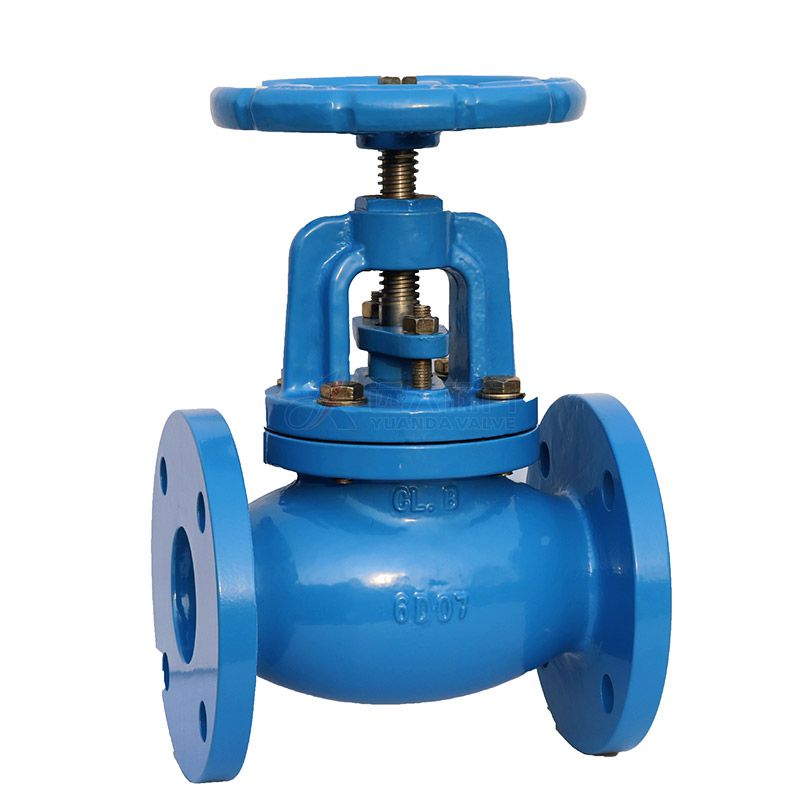
A cast iron globe valve features a body and internal components predominantly made from cast iron—the material known for good compressive strength, durability, and cost-effectiveness. The valve’s design includes a movable disc or plug and a stationary seat, with the disc moving perpendicular to the seat to regulate flow.
These valves typically operate with a handwheel, though they can also be fitted with actuators for automated control. They are available in various standards and configurations, including flanged, threaded, and bellows seal types to suit different piping systems.
1. How Does It Provide Precise Flow Regulation?
Cast iron globe valves are particularly effective for throttling and accurate flow control. The internal disc-to-seat mechanism allows fine adjustment of flow rates, which makes them ideal for systems where precise regulation is required.
2. How Reliable Is Its Shut-Off Performance?
When fully closed, globe valves provide excellent shut-off capability, helping to isolate sections of a pipeline securely and prevent leakage.
3. Is Maintenance Complicated?
The design of cast iron globe valves is straightforward, which simplifies installation and maintenance. Components such as the disc and seat can often be serviced or replaced without removing the entire valve assembly.
4. Why Is Cast Iron a Cost-Effective Choice?
Compared with valves made from more expensive alloys, cast iron offers a budget-friendly alternative while still delivering long service life in low- to medium-pressure systems.
5. What Applications Are Best Suited for Cast Iron Globe Valves?
These valves are suitable for a wide range of services including water distribution, oil and gas pipelines, steam systems, HVAC (heating, ventilation, and air conditioning), and general utility networks.
When choosing a cast iron globe valve for a specific project, engineers should review key specifications such as:
Pressure rating (e.g., PN10, PN16)
Working temperature range (often from sub-zero to around 300°C depending on design)
Connection type (flanged or threaded)
Standards compliance (DIN, ANSI, BS, etc.)
Material grades for internal components to ensure chemical compatibility