
Selecting the appropriate brass ball valve is crucial to ensure reliable performance and long service life in your fluid control system. Several factors should be considered to match the valve to your specific application.
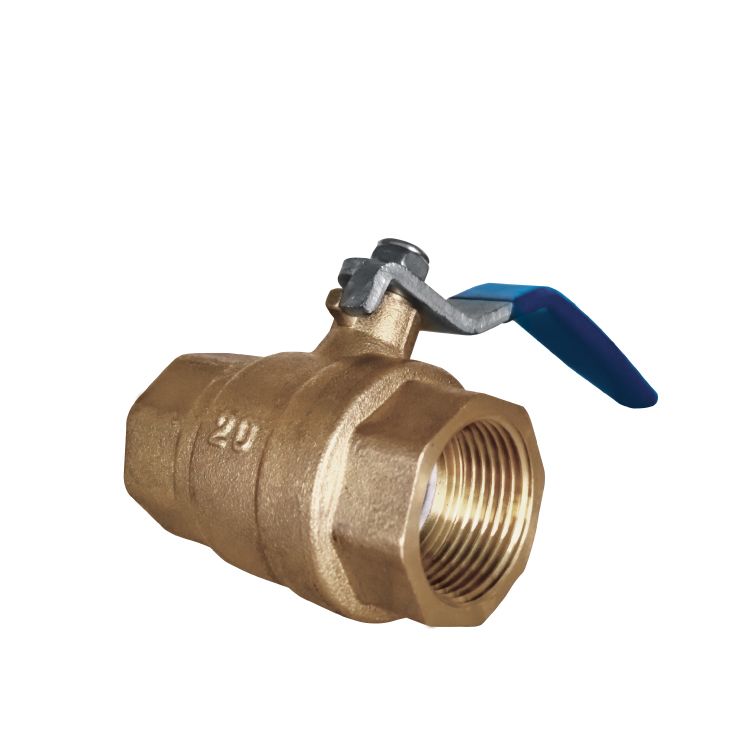
Choosing the correct valve size is essential for maintaining proper flow and pressure. A valve that is too small may restrict flow, while an oversized valve can cause unnecessary turbulence. Measure your pipe diameter and match it with the corresponding valve size.
Brass ball valves come with various connection options:
Threaded Connections: Easy to install and commonly used in plumbing and residential systems.
Socket or Solder Connections: Provide a permanent, leak-free joint for copper piping.
Compression Fittings: Useful for flexible piping and quick installations without soldering.
Choose the connection type compatible with your piping system.
Check the maximum pressure and temperature ratings of the valve. Brass ball valves are suitable for medium-pressure systems and moderate temperatures. Ensure that the valve can handle the operating conditions of your application to prevent leaks or damage.
Full-Bore Ball Valves: The internal diameter matches the pipe size, allowing maximum flow with minimal pressure drop. Ideal for systems where flow efficiency is critical.
Standard Ball Valves: Slightly reduced bore, sufficient for general applications and easier to manufacture at a lower cost.
Two-Way Valves: Standard option for simple on/off control.
Three-Way Valves: Allow flow diversion or mixing, useful in more complex piping systems.
High-quality brass ensures corrosion resistance and long-term durability. PTFE (Teflon) or reinforced seals provide reliable leak prevention. Always select valves with certified materials suitable for the fluid type—water, gas, or light chemicals.
Brass ball valves are available with manual handles, lever operation, or actuators for automated control. Ensure there is enough space for operation and maintenance.
Choosing the right brass ball valve involves careful consideration of size, connection type, pressure rating, flow requirements, and material quality. Evaluating these factors ensures efficient flow control, reduces maintenance, and extends the service life of your system.