
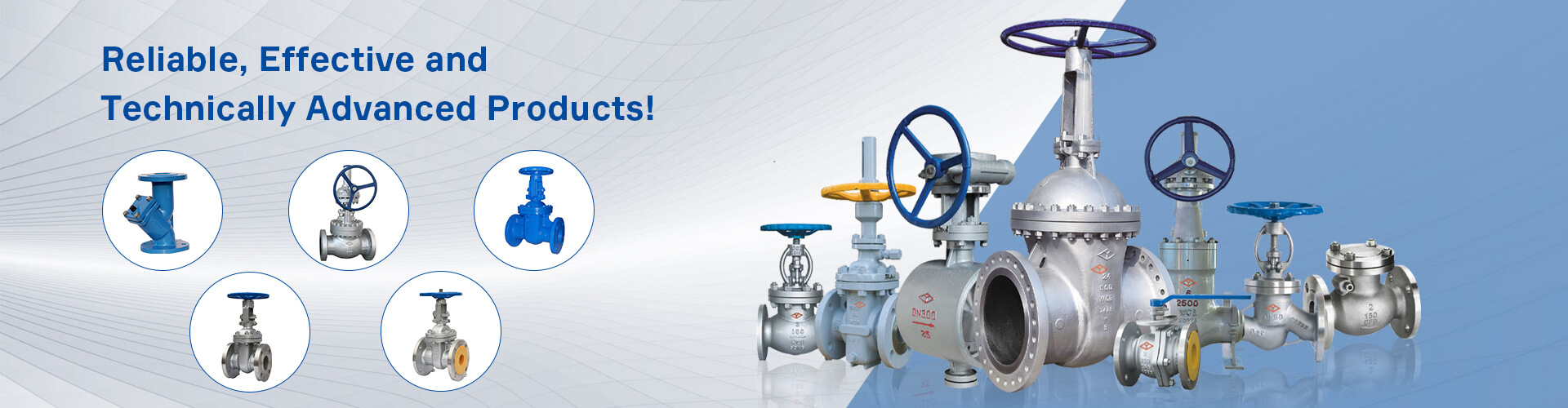
Cast Steel Floating Ball Valve is a widely used valve in industrial piping systems for controlling the flow of liquids, gases, and steam. It is especially valued for its simple structure, reliable sealing, and quick operation. The valve consists of a spherical ball with a hole through its center, which rotates within the valve body to regulate flow.
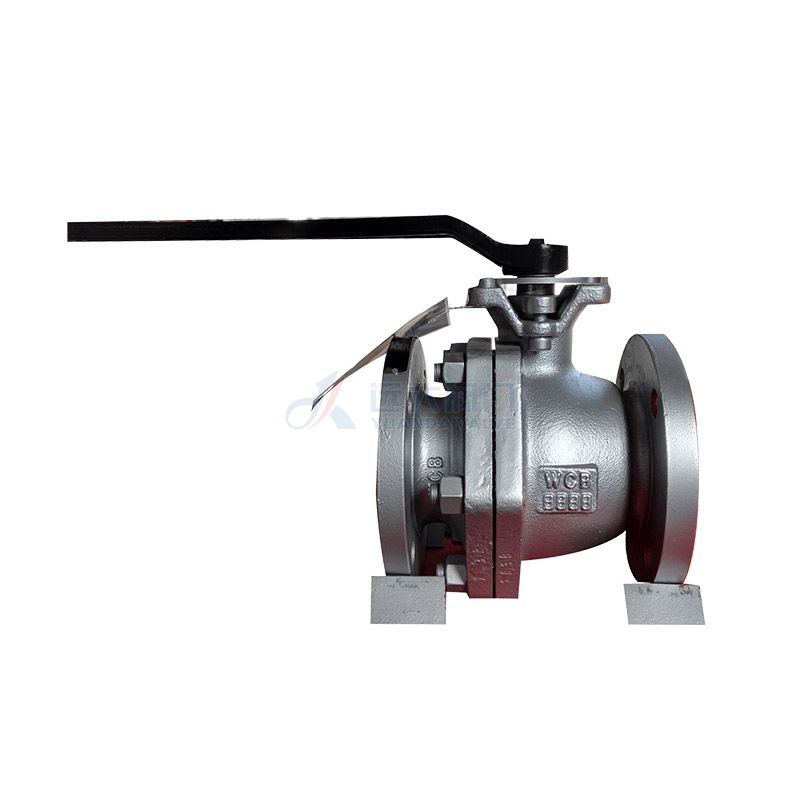
A floating ball valve primarily consists of three main components:
Valve Body: Made of durable cast steel, it provides the housing for the internal parts and ensures pressure resistance.
Ball: A hollow sphere with a through-hole (bore) that aligns with the pipeline when open and blocks flow when closed. The ball floats between two elastomeric seats.
Seats: These are usually made of PTFE, RPTFE, or other resilient materials. The seats press against the ball to provide a tight seal. In a floating design, the ball moves slightly downstream under pressure, pressing against the downstream seat to enhance sealing.
Stem and Actuator: The stem connects the ball to the handle, gearbox, or automated actuator, allowing rotational movement of the ball.
The working principle of a floating ball valve is based on the pressure-driven movement of the ball and rotational control:
Valve Open:
When the valve is rotated 90 degrees to align the ball's bore with the pipeline, the fluid flows freely. The floating ball moves slightly downstream under system pressure, pressing against the downstream seat to maintain a tight seal while allowing full flow.
Valve Closed:
When the valve is rotated 90 degrees to turn the bore perpendicular to the pipeline, the ball blocks the flow. The pressure of the fluid pushes the ball against the downstream seat, ensuring tight shut-off and preventing leakage.
Sealing Mechanism:
The floating ball relies on pressure-assisted sealing. The higher the line pressure, the tighter the ball presses against the seat. This design provides excellent leak-tight performance for high-pressure systems.
Leak-Proof Performance: The pressure-assisted design ensures tight sealing, even under high-pressure conditions.
Quick Operation: 90-degree rotation from fully open to fully closed allows fast operation.
Simple Structure: Fewer parts make it easy to install, operate, and maintain.
Durable Material: Cast steel construction provides strength and resistance to high pressure and temperature.
Versatile Applications: Suitable for water, oil, gas, steam, and chemical pipelines.
Cast steel floating ball valves are commonly used in:
Oil and Gas Industry: For crude oil, natural gas, and refined products.
Chemical Plants: For handling corrosive or high-temperature fluids.
Power Generation: In steam and water pipelines.
Water and Wastewater Systems: For shut-off and flow control.
Marine and HVAC Systems: For general flow control in piping networks.
The cast steel floating ball valve is a reliable, efficient, and widely used valve type in industrial systems. Its working principle relies on pressure-assisted sealing and ball rotation, providing tight shut-off, quick operation, and durability. When properly selected based on size, pressure rating, and material compatibility, these valves ensure safe and efficient operation across a variety of industries.
Previous: None