
Industrial cooling systems are essential to the operation of manufacturing facilities, power plants, processing plants, and many other industrial operations. They help remove excess heat from equipment, maintain stable operating temperatures, and protect critical machinery from overheating.
Within these systems, industrial valves perform important functions such as isolating equipment, directing water flow, and preventing reverse flow. Selecting suitable valves can improve system reliability, simplify maintenance, and support consistent cooling performance.
Industrial cooling systems can include cooling towers, pumps, heat exchangers, chillers, and extensive water distribution networks. Valves are installed at different points to manage the movement of cooling water and support equipment operation.
Common applications include:
Cooling water supply lines: Valves isolate sections of the pipeline and allow maintenance without affecting the entire system.
Pump inlet and outlet lines: Valves support pump isolation and help manage water flow through the pumping network.
Heat exchanger connections: Valves allow individual heat exchangers to be isolated for inspection or cleaning.
Cooling tower pipelines: Valves help manage water distribution and maintenance operations.
Water return lines: Check valves may be used where reverse flow needs to be prevented.
The exact arrangement depends on the cooling system design, equipment layout, and operating requirements.
Different valve designs serve different functions. Understanding their characteristics helps engineers select products that match the intended application.
Gate valves are commonly used for on-off isolation in industrial water pipelines. When fully open, they provide a relatively unobstructed flow path, making them suitable for certain applications where the valve is not intended for continuous throttling.
They may be installed around pumps, tanks, and other equipment that requires isolation during maintenance.
Butterfly valves are widely used in suitable large-diameter water pipelines. Their compact structure and relatively low weight can make them practical for cooling water distribution systems.
Depending on the design, butterfly valves can provide shutoff or flow regulation. Buyers should confirm the valve's pressure rating, sealing arrangement, and suitability for the required control duty.
Check valves help prevent water from flowing backward through a pipeline. They are particularly relevant in systems involving pumps, where reverse flow may cause operational problems.
The appropriate check valve design should be selected according to flow conditions, installation orientation, pressure requirements, and the potential for water hammer.
Ball valves provide quick shutoff and can be useful in smaller pipelines and auxiliary water connections. Their suitability depends on the required flow capacity, pressure, temperature, and operating frequency.
A cooling system depends on stable water circulation. Incorrect valve selection or unsuitable installation can create unnecessary resistance, interfere with flow distribution, or make maintenance more difficult.
Several factors deserve attention.
Flow capacity: The valve should be appropriately sized for the required flow rate. An unsuitable size can affect pressure loss and system performance.
Pressure rating: The valve must withstand the system's design pressure and any relevant pressure fluctuations.
Material compatibility: Cooling water may contain dissolved minerals, treatment chemicals, or suspended particles. Valve body and internal materials should be suitable for the water quality and operating environment.
Sealing performance: Leakage at isolation points can complicate maintenance and reduce operational control.
Operating method: Manual, electric, or pneumatic operation may be considered depending on accessibility, automation requirements, and operating frequency.
Valve selection should always be based on the actual system specification rather than nominal pipe size alone.
Water quality is an important consideration in industrial cooling systems. Depending on the water source and treatment process, pipelines may be exposed to corrosion, scaling, sediment, or chemical substances.
These conditions can affect valve bodies, sealing surfaces, and internal components over time.
When specifying valves, engineers should consider:
The source and chemical characteristics of the cooling water.
Whether the system uses treated, untreated, or recirculated water.
The possibility of suspended solids or deposits.
The corrosion resistance required for the operating environment.
The inspection and maintenance practices available at the facility.
Industrial cooling equipment often needs periodic inspection, cleaning, and repair. Properly positioned isolation valves allow maintenance teams to separate individual components without unnecessarily shutting down the entire system.
For example, isolation valves installed around a heat exchanger can make it easier to remove the equipment from service. Similarly, suitable valves near pumps can support maintenance and replacement work.
A well-planned valve arrangement should consider:
Whether valves are accessible for operation and inspection.
Whether equipment can be isolated safely.
Whether the valve position is clearly identifiable.
Whether replacement valves can match existing dimensions and connections.
Whether operating procedures account for pressure and flow conditions during isolation.
Industrial buyers should provide manufacturers with clear technical information before requesting a quotation. This helps reduce specification errors and ensures that proposed products can be evaluated against actual application requirements.
Important information includes:
Valve type and size: Identify the required valve design and nominal diameter.
Pressure rating: Specify the design pressure and applicable pressure class or PN rating.
Body and internal materials: Define material requirements based on water quality and operating conditions.
End connections: Confirm whether flanged, threaded, or other connection types are required.
Operating requirements: State whether the valve will be manually operated or integrated into an automated system.
Applicable standards: Identify the required design, testing, and dimensional standards.
Inspection documents: Clarify any requirements for pressure testing, material records, and inspection reports.
For industrial cooling projects, a valve manufacturer should be able to provide products that match the required specifications and application conditions.
Buyers may evaluate a supplier based on its product range, manufacturing experience, material options, quality control procedures, and ability to meet relevant standards. Clear communication about technical requirements is equally important, particularly for projects involving multiple valve types and sizes.
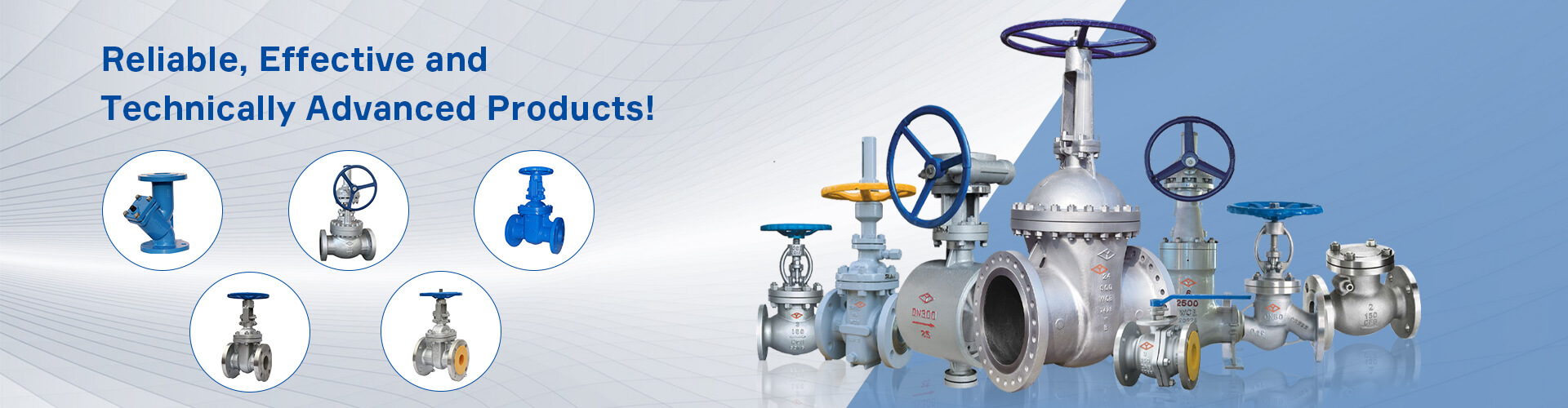
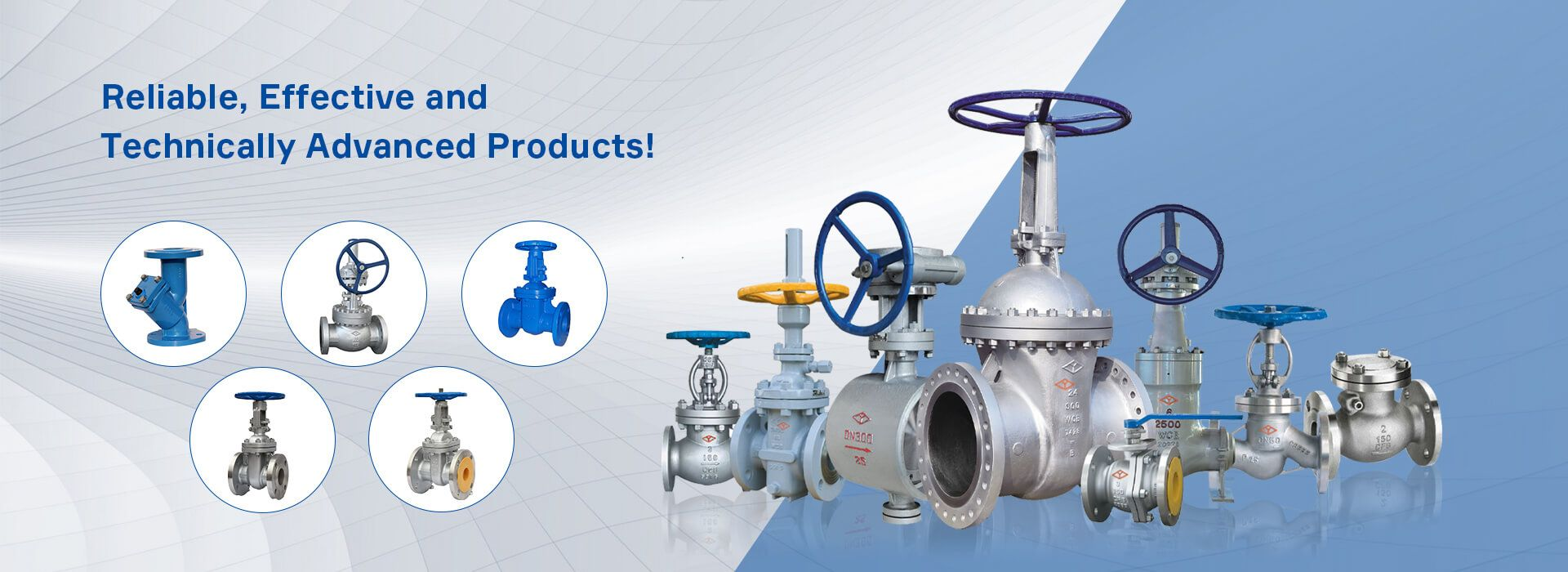
YUANDA Valve Group manufactures a range of industrial valves, including gate valves, globe valves, ball valves, butterfly valves, and check valves. Its product portfolio covers different standards and material options for industrial applications.
Industrial valves are important components of cooling water systems. They support water circulation, equipment isolation, maintenance operations, and reverse-flow prevention.
Choosing the right valves requires attention to flow capacity, pressure rating, material compatibility, sealing performance, and installation conditions. By defining these requirements clearly and working with an experienced industrial valve manufacturer, facility operators and procurement teams can build more reliable and manageable cooling systems.
Previous: None