
Industrial valves play an essential role in power generation by controlling fluid flow, isolating equipment, and supporting safe plant operation. From water circulation and steam distribution to fuel handling and auxiliary systems, valves are used throughout a power plant to help maintain reliable and efficient processes.
For power plant operators, engineers, and procurement teams, understanding where valves are used is an important step toward selecting suitable products and maintaining dependable system performance.
Power generation facilities contain interconnected piping systems that transport water, steam, fuel, cooling media, and other process fluids. Each system has different operating requirements, making valve selection an important part of plant engineering.
Industrial valves generally perform several key functions:
Flow isolation: Separating equipment or pipeline sections during maintenance and inspection.
Flow control: Regulating the movement of fluids where the system design requires it.
Backflow prevention: Helping prevent reverse flow in systems where flow direction must be maintained.
Equipment protection: Supporting safe operating procedures by allowing designated sections to be isolated when necessary.
The appropriate valve type depends on the fluid, pressure, temperature, operating frequency, and function required at each installation point.

Steam and water systems are central to many conventional power plants. Their operating conditions can vary significantly depending on the equipment and process stage.
Gate valves are commonly used for on-off isolation in piping systems where low flow resistance in the fully open position is important. Globe valves may be selected for applications requiring throttling, depending on the system design and valve specification. Check valves help prevent reverse flow in suitable locations, while ball valves can provide convenient shutoff in compatible services.
However, not every valve design is suitable for every steam or water application. Engineers must confirm the required pressure-temperature rating, materials, sealing design, and applicable standards before specifying a product.
For high-temperature or high-pressure service, the valve's suitability must be verified against the actual operating conditions rather than determined by valve type alone.
Cooling water systems help remove heat from equipment and support the operation of condensers, heat exchangers, and other plant components. Auxiliary systems may also supply service water or transport fluids needed by supporting equipment.
In these systems, valves are used to isolate pumps, separate maintenance sections, and manage flow paths according to the plant's operating requirements.
Butterfly valves may be suitable for certain large-diameter, relatively low-pressure water lines because of their compact design. Gate valves can provide isolation in other piping configurations, while check valves may be installed where reverse flow could affect pumps or other equipment.
The selection process should account for water quality, corrosion potential, suspended solids, pressure loss, and the frequency of operation. These factors can influence valve materials, seat design, maintenance requirements, and expected service life.
Depending on the type of power plant, fuel and supporting systems may involve natural gas, liquid fuels, or other process media. The valve requirements for these services differ from those of ordinary cooling water pipelines.
Engineers need to consider the fluid's properties, operating pressure, temperature, leakage requirements, and relevant safety regulations. Valve materials and sealing components must be compatible with the intended service.
For combustible gases or other hazardous media, the specification may also require particular design features, testing, or third-party approvals. These requirements should be clearly defined before procurement, and the selected product should be verified against the applicable project specification.
A valve's general industrial classification does not, by itself, establish that it is approved for a specific fuel or safety-critical application.
Different valve designs offer different operating characteristics. A practical starting point is to match the valve's primary function to the system requirement.
| Valve type | Typical function in power plant systems |
|---|---|
| Gate valve | On-off isolation in suitable water, steam, and utility piping |
| Globe valve | Flow regulation in applications designed for throttling |
| Ball valve | Shutoff in compatible process and auxiliary services |
| Butterfly valve | Flow isolation or control in suitable water and utility systems |
| Check valve | Prevention of reverse flow in designated pipeline locations |
This table provides general guidance rather than a final selection rule. Actual suitability depends on the valve design, size, pressure class, material, operating conditions, and project standards.
For example, two valves with the same nominal size may have different pressure ratings, end connections, and temperature limitations. Confirming these details is necessary before ordering products for a power generation project.
Valve procurement for power generation projects often involves coordination between engineering, purchasing, quality assurance, and maintenance teams. A clear specification helps reduce misunderstandings and supports consistent product selection.
Before placing an order, buyers should confirm:
Operating conditions: Design and operating pressure, temperature, fluid type, and flow requirements.
Applicable standards: Required design, testing, inspection, and dimensional standards.
Materials: Body, trim, and sealing materials appropriate for the service.
Connections and dimensions: End connection type, pressure class, face-to-face dimensions, and installation requirements.
Inspection and documentation: Required inspection procedures, test records, material documentation, and product identification.
Maintenance requirements: Accessibility, operating method, replacement parts, and compatibility with existing equipment.
For replacement orders, the existing valve's nameplate and technical documents can provide useful information. However, the original specification should still be checked against current operating conditions and project requirements.
A reliable valve supply relationship can help power plant buyers manage product consistency, technical communication, and procurement requirements across different systems.
When evaluating a manufacturer, buyers should review the supplier's product range, manufacturing capabilities, quality control processes, applicable standards, and ability to provide the documentation required for the order. Technical questions should be resolved before production begins, especially when the valves are intended for demanding service conditions.
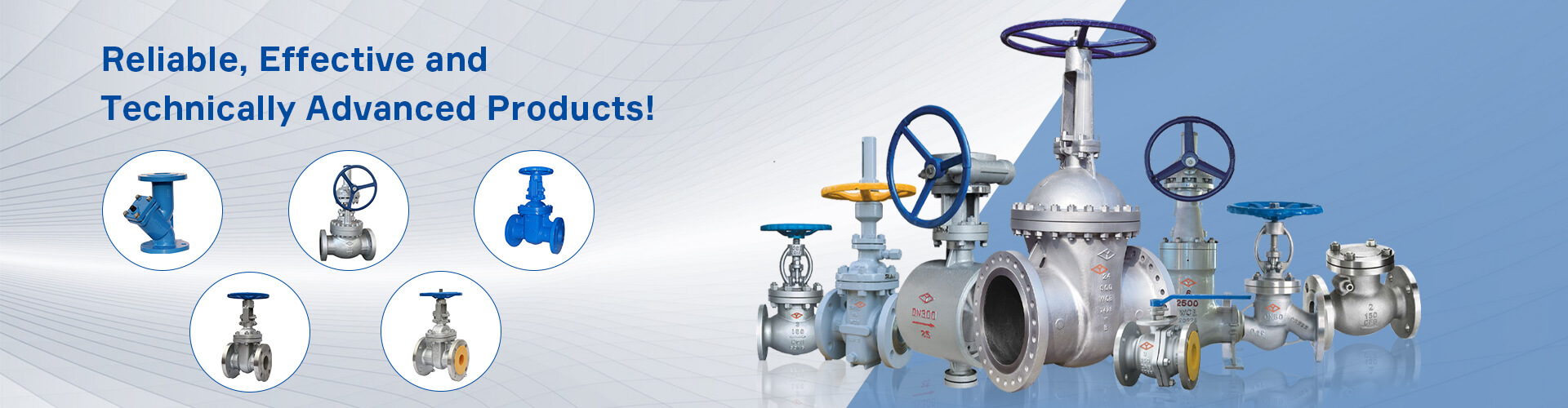
YUANDA Valve Group manufactures industrial valves including gate, globe, ball, butterfly, and check valves. Its product portfolio covers multiple standards and material options for a range of industrial applications.
Industrial valves support power generation across steam and water networks, cooling systems, fuel handling, and auxiliary processes. Selecting suitable valves requires more than identifying a valve type: engineers and buyers must also consider operating conditions, material compatibility, applicable standards, installation requirements, and maintenance needs.
By defining these requirements clearly and working with a qualified industrial valve manufacturer, power plant teams can make more informed procurement decisions and support reliable plant operation over the long term.
Previous: None