
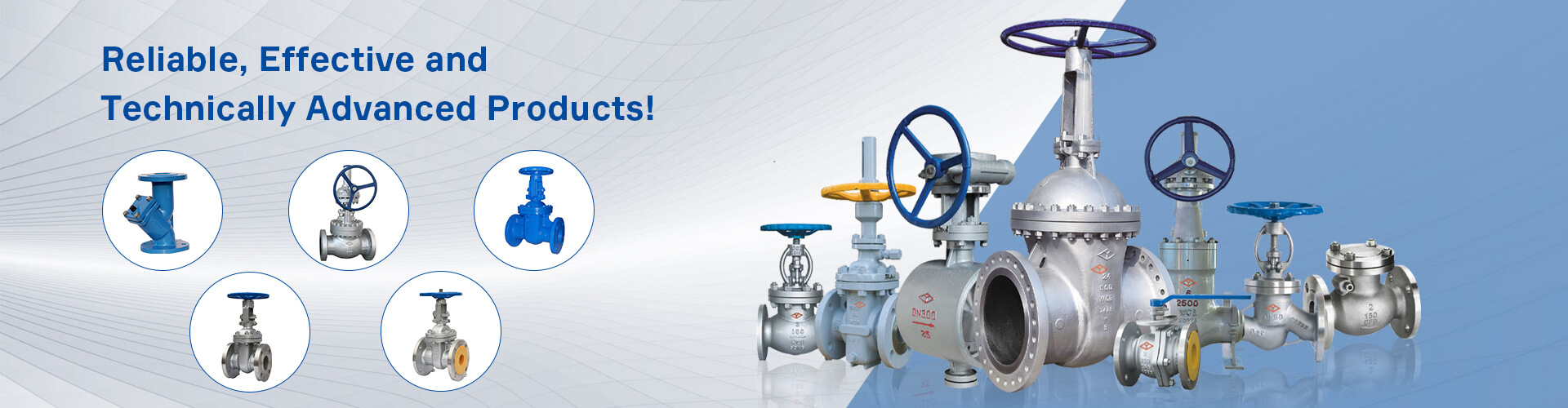
Check valves are essential components in water supply and distribution systems. They allow fluid to flow in only one direction, preventing backflow that could damage equipment, contaminate water, or disrupt system operation. Also known as non-return valves or one-way valves, check valves operate automatically and do not require manual or electrical control.
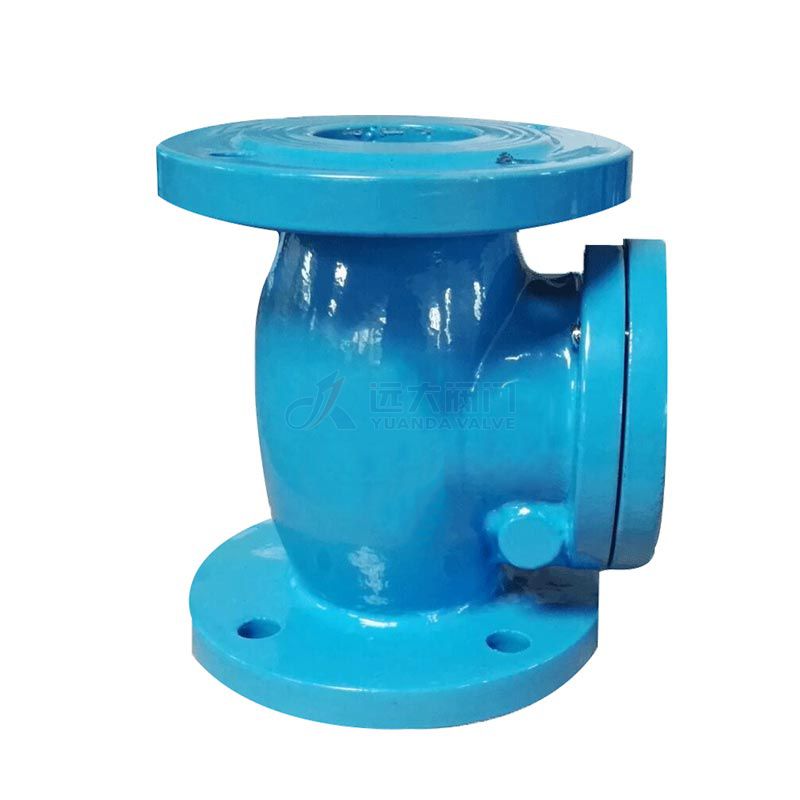
Check valves function based on pressure differences between the inlet and outlet:
Closed State: The valve remains shut when there is no forward flow.
Forward Flow: When inlet pressure exceeds outlet pressure by a minimum threshold (cracking pressure), the valve opens and allows water to pass.
Reverse Flow Prevention: If the flow reverses or pressure drops at the inlet, the valve closes immediately to block backflow.
The internal mechanism may rely on gravity, a spring, or a counterweight to respond quickly to changes in flow direction.
Check valves are widely used in water systems for several purposes:
They prevent reverse flow that could damage pumps, meters, filters, and other devices. By stopping backflow, check valves also reduce the risk of water hammer, which can stress pipes and fittings.
In water treatment and distribution, check valves ensure treated water cannot flow back into untreated sources, helping maintain system hygiene and preventing contamination.
When pumps stop, gravity can cause water to drain back into the source. Foot valves or suction check valves keep the system primed and ready for operation.
Different designs suit various water system requirements:
Swing Check Valves: A hinged disc swings open with forward flow and shuts under reverse flow. Common in pipelines with moderate flow rates.
Tilting Disc Check Valves: The disc tilts to open, reducing flow resistance, suitable for larger diameters and higher pressure systems.
Ball Check Valves: A ball lifts off its seat when flow is forward and returns to seal when flow stops, ideal for wastewater applications.
Foot Valves: Installed at pump inlets, combining a screen with a check valve to prevent debris intake and drain-back.
Axial Silent Check Valves: Spring-assisted valves that close quickly to reduce backflow, water hammer, and pump reverse rotation.
When selecting a check valve for water lines, consider:
Application Requirements: Different designs fit different systems, e.g., ball valves for sewage or axial valves for high-speed pipelines.
Cracking Pressure: Ensure the valve opens at the appropriate minimum pressure for reliable operation.
Size and Orientation: Match the valve to the pipe diameter and install correctly (horizontal or vertical).
Material Compatibility: Materials must withstand water characteristics, pressure, temperature, and environment.
Operating Conditions: Factor in pressure, temperature, and flow velocity.
Cost Efficiency: Consider installation, maintenance, and long-term operation, not just purchase price.
Check valves play a vital role in water lines by preventing backflow, protecting equipment, maintaining water quality, and ensuring system reliability. Proper selection of type, size, and material is crucial to achieving efficient and safe water distribution.
Previous: None