
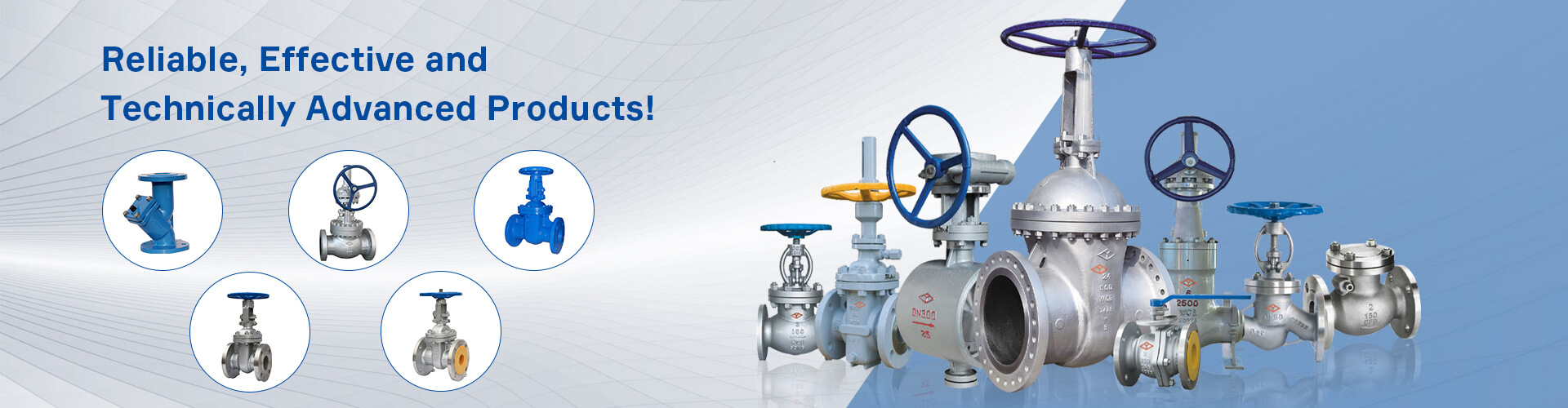
Industrial water systems are the backbone of manufacturing plants, chemical processing facilities, and municipal infrastructure. Selecting the right valve brand is crucial for ensuring system efficiency, reliability, and long-term performance. With numerous options available, understanding material quality, design features, and maintenance requirements can help engineers and facility managers make informed decisions.
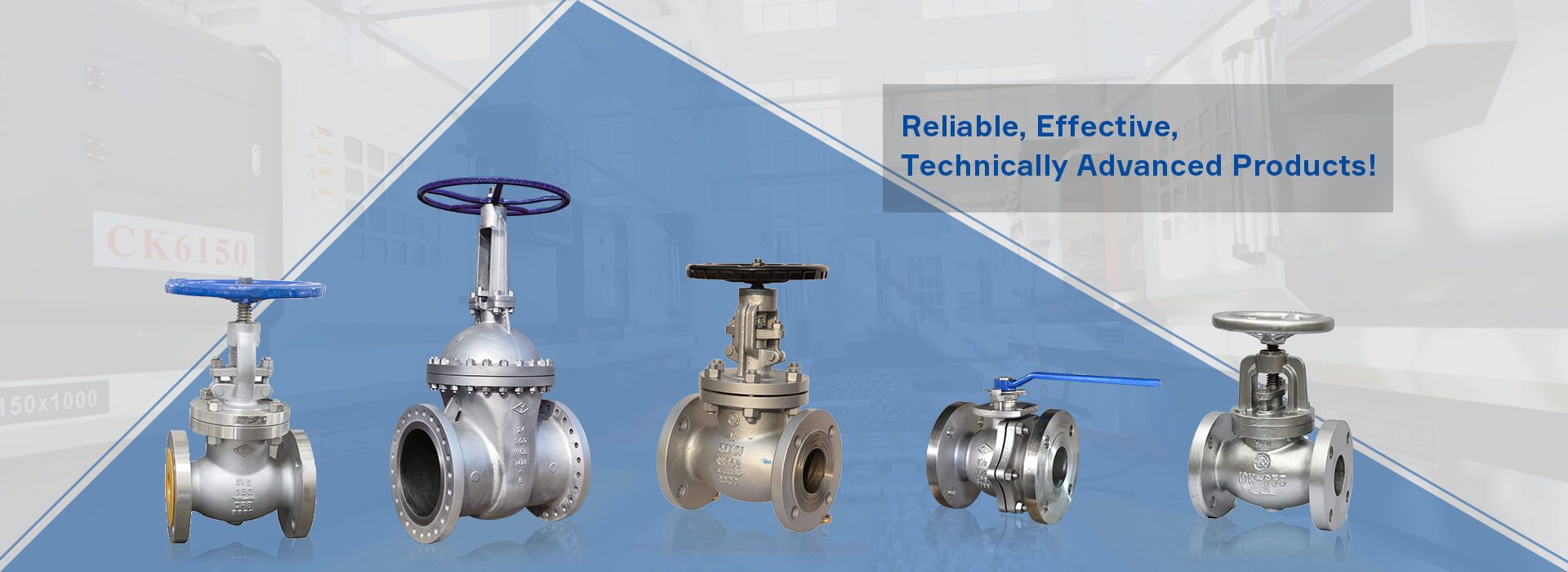
Valve materials directly influence durability, corrosion resistance, and operational lifespan.
Brass Valves: Common in moderate industrial applications, brass valves offer corrosion resistance, mechanical strength, and reliable sealing. They are suitable for potable water systems, cooling circuits, and moderate-pressure pipelines. High-quality brass valves can last 10–25 years with proper maintenance.
Stainless Steel Valves: Ideal for harsh or corrosive environments, stainless steel valves can handle aggressive chemicals, high pressures, and extreme temperatures. Their service life often exceeds 20–30 years, making them suitable for chemical plants, wastewater treatment, and desalination facilities.
Plastic or PVC Valves: Lightweight and cost-effective, these valves are suitable for non-pressurized systems or applications where chemical resistance is required. Lifespan is shorter, generally 5–10 years.
Different industrial water applications require specific valve designs:
Ball Valves: Provide tight shut-off and quick operation. Excellent for systems requiring rapid flow control. Lifespan can reach 20–50 years, depending on materials and usage.
Gate Valves: Ideal for pipelines where full flow or no flow is needed. They are commonly used in main water lines and high-pressure systems.
Check Valves: Protect pumps and pipelines by preventing backflow, critical for industrial water systems.
Selecting the correct valve type for the application minimizes wear and reduces maintenance requirements.
Industrial water systems demand high reliability. Choosing a reputable valve brand ensures:
Precision Manufacturing: Tight tolerances and quality control reduce leak risks.
Reliable Sealing Materials: High-performance seats and seals prevent downtime due to leaks.
Compliance with Industry Standards: Certified products meet local and international safety and performance standards.
Yuanda Valve is recognized for producing high-quality industrial valves that combine durable materials, precise engineering, and reliable performance, making it a trusted choice for water systems across industries.
Even the most robust industrial valves require regular maintenance. Factors to consider when selecting a brand:
Ease of servicing and availability of spare parts
Technical support and installation guidance
Compatibility with existing systems to reduce downtime
Brands that provide comprehensive service support help extend valve life and optimize system efficiency.
Choosing the right valve brand is a strategic decision for industrial water systems. High-quality materials, appropriate valve types, and reliable manufacturing standards directly impact performance and lifespan. For demanding industrial environments, selecting reputable brands like Yuanda Valve ensures efficiency, durability, and reduced operational costs.
By understanding material properties, valve types, and service considerations, facility managers and engineers can design water systems that operate reliably for decades.