
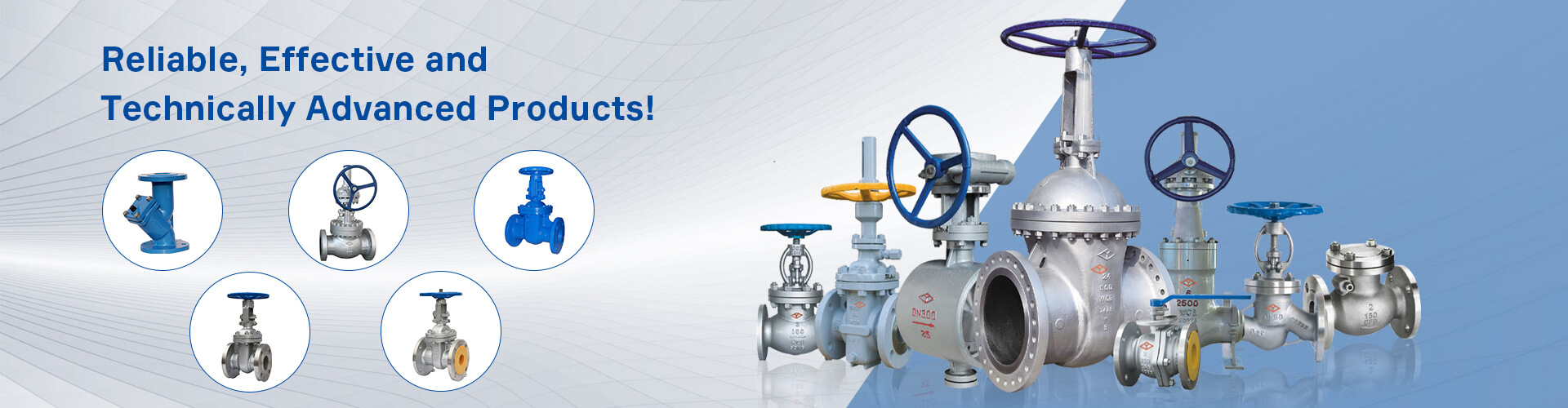
Water valves are critical components in plumbing systems, industrial pipelines, and water distribution networks. When selecting a valve brand, durability and service life are among the most important considerations for engineers, contractors, and facility managers. Different brands vary in terms of material quality, manufacturing precision, and long-term reliability.
This article compares the durability and lifespan of different types of water valves and explains the key factors that determine long-term performance.
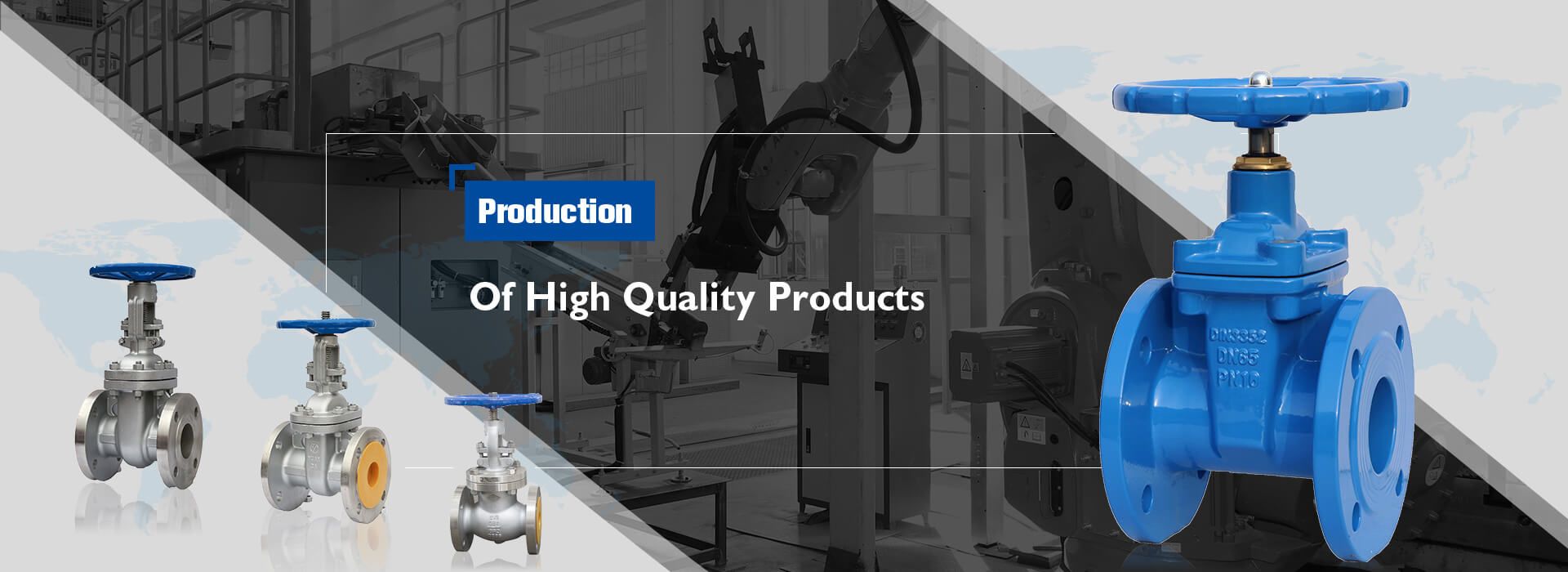
The lifespan of a water valve is influenced by several technical factors rather than just the brand name. These include material selection, manufacturing standards, operating environment, and maintenance.
1. Material Quality
Valve body materials play a major role in durability.
Brass valves are widely used in plumbing and water systems because they offer good corrosion resistance and mechanical strength. In normal water supply systems, high-quality brass valves can last 10–25 years or more.
Stainless steel valves provide superior corrosion resistance and are often used in chemical, marine, and high-pressure environments. Their service life can exceed 20–30 years in harsh conditions.
Cast iron valves are durable but may corrode in certain environments, typically lasting 15–25 years depending on operating conditions.
Plastic valves are lightweight and economical but generally have a shorter lifespan of 5–10 years.
Beyond materials, manufacturing precision determines how long a valve can operate without leakage or failure.
High-quality manufacturers apply:
Precision machining of valve bodies and seats
Reliable sealing materials such as PTFE or metal seats
Strict quality inspection during production
For example, well-manufactured brass ball valves with proper engineering and quality control can provide reliable service for many years in residential and industrial systems.
Manufacturers that follow international standards and implement strict quality control processes generally produce valves with longer service life.
Different valve types also influence durability.
Ball valves are known for quick operation and reliable sealing. In normal operating environments, many ball valves can last 10–50 years depending on materials and usage conditions.
Gate valves are commonly used in water supply systems and municipal pipelines. Their durability depends on the sealing surface condition and operating frequency.
Check valves typically experience less mechanical wear because they operate automatically with flow pressure, which may extend their service life.
Even the most durable valve brand can fail prematurely if operating conditions are unsuitable.
Factors affecting lifespan include:
Water pressure and temperature
Corrosive or abrasive fluids
Installation quality
Maintenance frequency
Regular inspection, cleaning, and lubrication can significantly extend the operational life of valves by preventing scale buildup and internal wear.
For contractors and system designers, selecting a reliable manufacturer is as important as choosing the right valve type. Companies with strong engineering capabilities and strict production standards can deliver valves with stable performance and longer service life.
As a professional valve manufacturer, Yuanda Valve provides a wide range of water valves designed for durability and consistent performance in water supply systems, industrial pipelines, and infrastructure projects. High-quality materials, precision manufacturing, and rigorous testing ensure reliable operation in demanding applications.
The durability and lifespan of water valves depend on multiple factors, including material selection, manufacturing quality, valve design, and operating conditions. Brass and stainless steel valves generally offer longer service life, while proper installation and maintenance further extend performance.
For large-scale water systems or industrial projects, selecting valves from reliable manufacturers ensures long-term operational stability and reduces maintenance costs over time.