
Heating and district energy systems rely on a network of pipes, pumps, heat exchangers, and control equipment to deliver thermal energy where it is needed. From district heating networks and commercial buildings to industrial facilities and energy plants, reliable flow control is essential for maintaining stable operation.
Industrial valves play an important role in these systems. They help isolate equipment, regulate fluid flow, prevent reverse flow, and support maintenance activities. Choosing suitable valves for each part of a heating system can improve operational reliability and make routine maintenance easier.
Heating systems distribute thermal energy through hot water, steam, or other heat-transfer media. In district heating systems, heat is produced at a central plant or energy station and delivered to multiple buildings through an interconnected pipeline network.
Industrial and commercial heating systems may include:
Boilers and heat-generation equipment
Hot-water circulation networks
Steam distribution pipelines
Heat exchangers and transfer stations
Pumping stations
Building heating connections
Return-water pipelines
Each section has different operating requirements. Valves must therefore be suitable for the temperature, pressure, medium, flow conditions, and operating function of the specific application.
One of the main functions of industrial valves in heating systems is to isolate sections of a pipeline or individual pieces of equipment.
For example, a valve may be installed near a pump, heat exchanger, boiler connection, or branch pipeline. When maintenance is required, the appropriate isolation arrangement allows a section of the system to be taken out of service while other areas may continue operating, depending on the system design.
Gate valves and ball valves are commonly considered for isolation duties, while butterfly valves may be suitable for larger pipelines where their design and operating characteristics meet the system requirements.
The correct choice depends on pipeline size, pressure and temperature conditions, installation space, and the required shutoff performance.
Isolation valves should also be positioned so that operators can access and operate them safely during routine maintenance and emergency procedures.
Hot-water circulation is a key part of many district heating and building heating systems. Heated water travels through supply pipelines, transfers energy to buildings or industrial processes, and returns to the heating plant for reheating.
Valves help manage flow through this network and allow individual branches or equipment sections to be isolated when necessary.
Common applications include:
Supply and return pipelines
Circulation pump connections
Heat exchanger branches
Distribution manifolds
Building connection points
Butterfly valves and gate valves may be used for isolation in suitable pipeline configurations. Globe valves or dedicated control valves may be considered where flow regulation is required.
A valve selected for hot-water service must be suitable for the operating temperature and pressure. Buyers should also consider the expected operating frequency and whether the valve will remain mostly open or be adjusted regularly.
Steam is used in many industrial heating processes, including manufacturing, food processing, chemical production, and other applications that require thermal energy.
Steam systems can expose valves to elevated temperatures, pressure changes, condensate, and thermal cycling. These conditions make correct valve specifications particularly important.
Gate valves are often used for steam-line isolation when suitable for the application. Globe valves may be used for certain flow-control duties, while check valves help prevent reverse flow where required by the system design.
When specifying valves for steam service, buyers should confirm:
Design and operating pressure
Normal and maximum temperature
Valve body and internal component materials
Pressure-temperature rating
Connection and dimensional requirements
Required testing and applicable standards
The valve must be suitable for the actual steam conditions rather than selected solely by nominal size or pressure class.
Reverse flow can interfere with heating system operation and may affect pumps, heat exchangers, and other equipment.
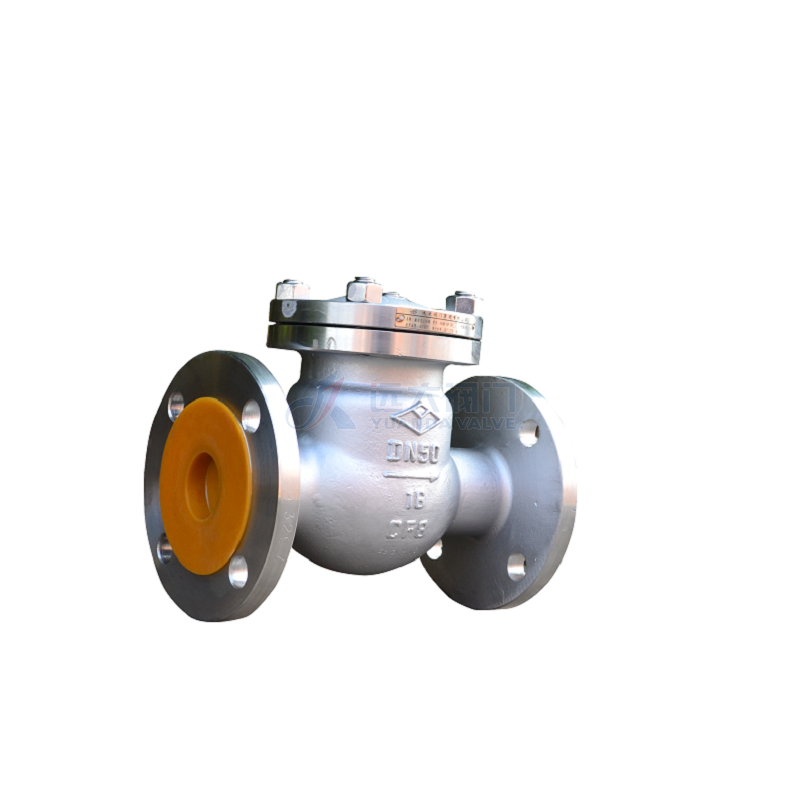
Check valves are designed to permit flow in the intended direction and restrict reverse flow under suitable operating conditions. They may be installed in circulation systems, pump discharge lines, and other locations where backflow prevention is required.
However, check valve performance depends on the system's flow characteristics and the valve design. Engineers should consider flow velocity, pressure differences, installation orientation, and the possibility of water hammer.
Correct installation and appropriate valve selection help reduce the risk of operational problems in heating networks.
District heating networks often supply multiple buildings or users through a series of branches. Flow requirements can differ depending on heat demand, pipeline layout, and the operating strategy of the network.
Valves help isolate branches and support the intended distribution of hot water. In systems that require automatic or precise regulation, dedicated control valves may be used alongside isolation valves.
It is important to distinguish between these functions. An isolation valve is generally intended to open or close a flow path, while a control valve is designed to regulate flow in response to operating conditions.
Using a valve outside its intended operating range can lead to excessive noise, vibration, erosion, or poor control performance. The valve type should therefore match the duty assigned to it in the system design.
Heating systems experience changes in temperature as equipment starts, stops, or adjusts to varying heat demand. These changes can affect pipeline expansion, system pressure, and fluid movement.
Valves form part of the overall system, but they cannot compensate for an incorrectly designed pipeline or inadequate pressure-management arrangement.
Engineers should evaluate the interaction between valves, pumps, expansion vessels, pressure-control equipment, and pipeline supports. Particular attention may be needed during startup, shutdown, and transitions between different operating loads.
For valve buyers, providing the expected operating range and describing the system's operating cycle helps manufacturers assess whether a proposed valve configuration is suitable.
Heating systems may use hot water, steam, treated water, or fluids containing additives. These media and operating conditions influence the materials and sealing arrangements required.
Important considerations include:
Operating and design temperatures
Maximum working pressure
Water chemistry and treatment additives
Potential corrosion
Required leakage performance
Expected operating frequency
The valve body, stem, seats, packing, and other internal components may have different material requirements. Compatibility should be evaluated for the complete valve assembly.
For example, a valve intended for a high-temperature steam line may require a different configuration from one used in a moderate-temperature water distribution network. Material and sealing decisions should follow the actual service conditions and applicable technical requirements.
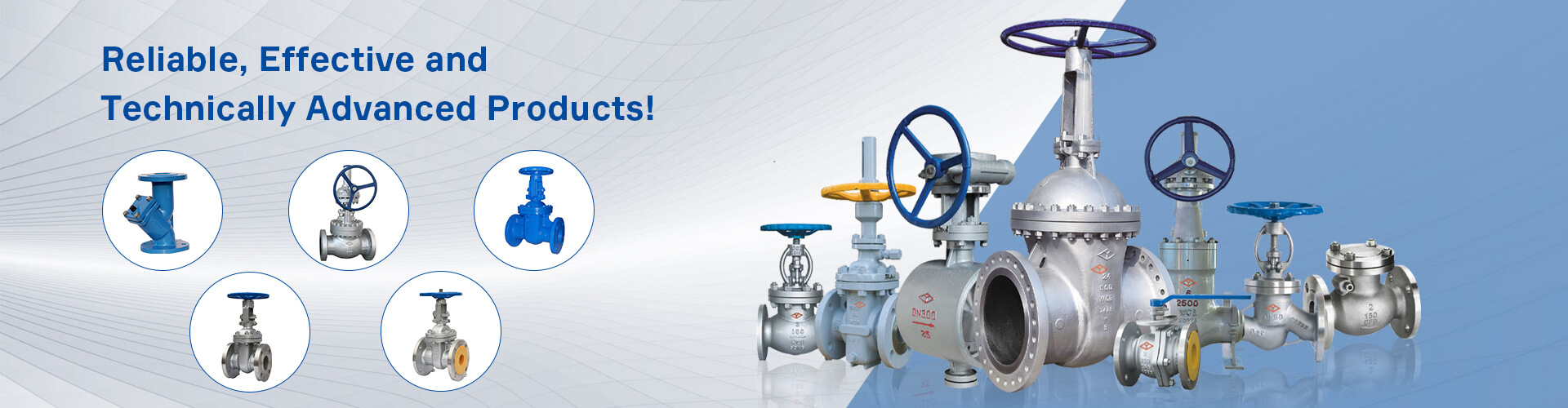
YUANDA Valve Group manufactures industrial valves for a range of applications, including power generation, petroleum, petrochemical processing, metallurgy, water infrastructure, and municipal services.
Its product range includes gate valves, globe valves, ball valves, butterfly valves, and check valves. These valve categories serve different functions in industrial piping systems, including isolation, flow regulation, and reverse-flow prevention.
For heating and district energy applications, the appropriate valve configuration should be confirmed against the system's design conditions, fluid medium, connection requirements, and applicable standards.
Industrial valves are essential components of heating and district energy systems. They support pipeline isolation, hot-water circulation, steam distribution, reverse-flow prevention, and flow management across interconnected networks.
Reliable operation depends on matching each valve to its specific duty and ensuring that its materials, pressure-temperature rating, sealing arrangement, and connections meet the system requirements.
By defining operating conditions clearly and selecting valves according to their intended functions, engineers and procurement teams can support safer maintenance, more reliable heat distribution, and long-term system performance.
Previous: None