
Replacing an industrial valve may appear to be a straightforward purchasing task. However, a replacement valve that looks similar to the original does not always fit the existing pipeline or perform as expected.
Differences in face-to-face dimensions, pressure ratings, end connections, materials, and operating mechanisms can create installation problems or affect system performance. In some cases, a valve may fit the pipeline but still fail to meet the requirements of the process.
For maintenance teams, plant engineers, and industrial buyers, confirming compatibility before ordering is an important step in reducing downtime and avoiding unnecessary costs.
Nominal pipe size is only one part of a valve specification. Two valves with the same nominal size may have different dimensions, pressure ratings, internal designs, or connection requirements.
Before selecting a replacement, buyers should check the following:
Valve type and function
Nominal size
Pressure rating
Face-to-face dimensions
End connection
Body and trim materials
Operating method
Applicable design standard
Installation space and clearance
These details help determine whether the replacement valve can be installed correctly and operate under the intended conditions.
The replacement valve should perform the same required function as the original unless the system design is being changed.
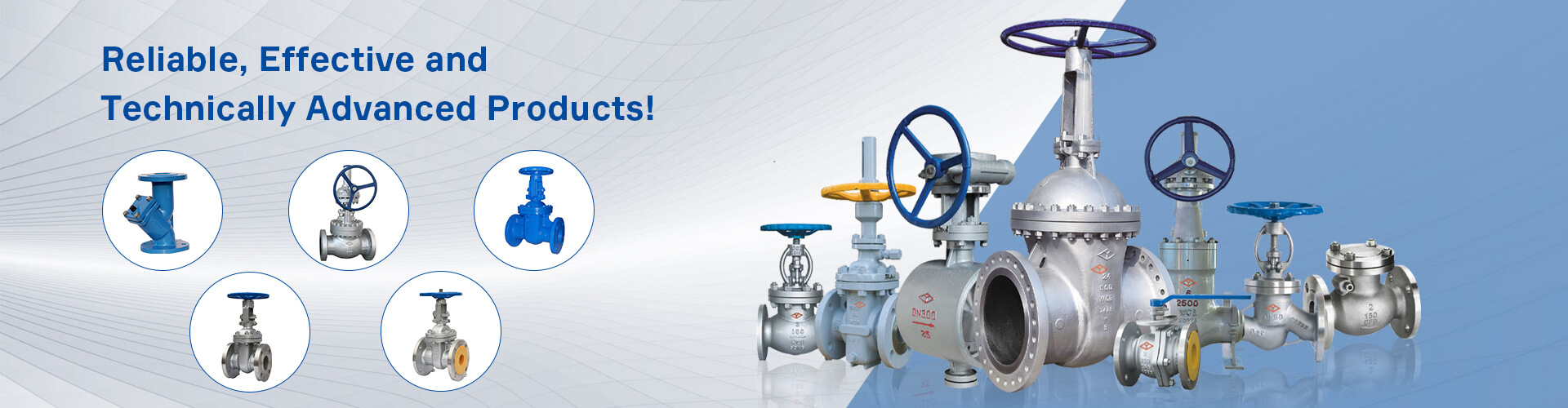
For example, gate valves, globe valves, ball valves, butterfly valves, and check valves serve different purposes. Some are primarily used for isolation, while others may be selected for flow regulation or prevention of reverse flow.
Even within the same valve category, design differences can affect performance.
Before ordering, identify the original valve type and clarify whether the replacement must provide shutoff, flow control, backflow prevention, or another specific function.
Face-to-face dimensions determine the distance between the valve's end connection faces. For flanged valves, this measurement is particularly important because it affects how the valve fits into the existing pipeline.
If the replacement valve is too long or too short, installation may require piping modifications, additional fittings, or changes to the surrounding equipment.
Buyers should confirm the applicable dimensional standard and verify the actual dimensions against the existing installation drawings or equipment records.
Matching the nominal size alone is not enough to guarantee a correct fit.
A replacement valve must match the pipeline connection arrangement.
Common connection types include flanged, threaded, and welded ends. For flanged valves, buyers should also confirm the flange standard, pressure class, facing type, and relevant dimensions.
For example, valves manufactured to different standards may have similar nominal sizes but incompatible flange dimensions or bolt patterns.
Before placing an order, check the pipeline specification rather than assuming that valves from different manufacturers are interchangeable.
The replacement valve must be suitable for the system's operating conditions.
Important parameters include:
Normal operating pressure
Maximum design pressure
Operating temperature range
Design temperature
Process medium
Required shutoff performance
Pressure ratings must be evaluated in relation to temperature and material. A valve with the same nominal size as the original may not have the same allowable working pressure under the actual service conditions.
Material compatibility is another important consideration.
The original valve may have been manufactured from cast iron, carbon steel, stainless steel, or another material. Internal components may also use different materials from the valve body.
When selecting a replacement, buyers should consider the process medium, corrosion risk, operating temperature, pressure, and expected service conditions.
The operating mechanism affects how the valve is installed and used.
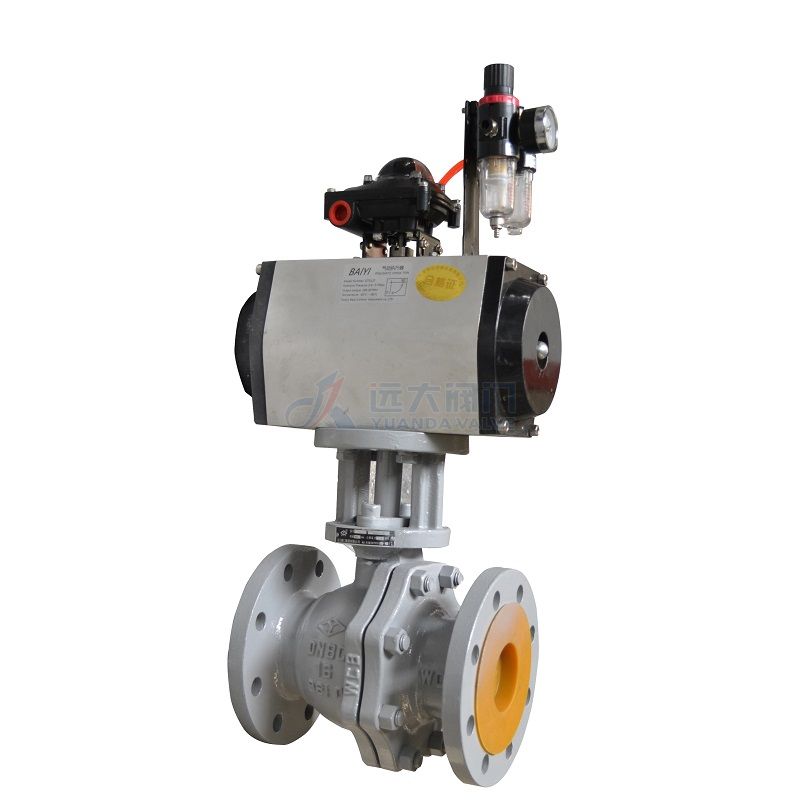
A manually operated valve may use a handwheel or lever, while automated valves may use electric, pneumatic, or hydraulic actuators.
For actuated valves, compatibility checks may include:
Actuator type and power supply
Required operating torque or thrust
Mounting arrangement
Control signal
Fail-safe position, where applicable
Available installation space
Industrial valves may be designed and manufactured according to different standards, including API, ASME, DIN, EN, JIS, BS, and GB.
These standards can specify different requirements for dimensions, pressure ratings, materials, design, and testing.
When replacing a valve, confirm which standard applies to the existing system. If a valve manufactured to a different standard is being considered, the buyer should verify compatibility with the relevant engineering requirements.
The most reliable starting point is often the original valve's nameplate, datasheet, drawing, or purchase specification.
Useful information includes the manufacturer, model, size, pressure class, body material, design standard, and serial or identification number where available.
If the original records are incomplete, photographs and measurements can help the manufacturer identify a suitable option. However, visual identification alone may not reveal the valve's material, pressure capability, or internal design.
A clear replacement inquiry helps the manufacturer evaluate compatibility before production.
Buyers should ideally provide:
Original valve manufacturer and model, if known
Valve type and nominal size
Pressure rating
Face-to-face dimensions
End connection details
Body and trim materials
Operating temperature and pressure
Process medium
Manual or actuated operation
Applicable standard
Drawings, nameplate photographs, or datasheets
YUANDA Valve Group manufactures industrial valves for sectors including petroleum, petrochemical, chemical processing, power generation, metallurgy, water conservancy, and municipal infrastructure. Its product range includes gate, globe, ball, butterfly, and check valves, with products available across multiple standards and material configurations.
For buyers evaluating replacement valves, the key is to provide accurate technical information and confirm the required dimensions, connections, materials, and operating conditions before ordering.
Before confirming a replacement valve, make sure the following points have been reviewed:
The valve performs the required function.
Nominal size and face-to-face dimensions are compatible.
End connections match the pipeline.
Pressure and temperature ratings meet the service requirements.
Materials are suitable for the process medium.
The operating mechanism and actuator arrangement are compatible.
The applicable standards have been checked.
Any differences from the original valve have been reviewed and approved.
Industrial valve replacement is most successful when compatibility is verified before the purchase order is issued. A few additional checks during procurement can help prevent installation delays, reduce unplanned downtime, and improve the reliability of the overall system.
Previous: None