
For industrial projects, purchasing valves in large quantities is often necessary to support pipeline construction, equipment installation, and plant expansion. However, supplying a large number of valves involves more than increasing production volume. Every unit must meet the specified technical requirements, and product consistency must be maintained throughout the order.
For buyers, differences between individual valves can create installation difficulties, complicate inspection, and increase maintenance requirements. This makes batch consistency an important consideration when selecting an industrial valve manufacturer.

Industrial valve orders may include hundreds or thousands of units, sometimes covering multiple sizes, pressure ratings, materials, and valve types.
Even when products belong to the same order, inconsistencies can create problems such as:
Dimensional differences that affect installation.
Variations in materials or component specifications.
Differences in sealing performance.
Inconsistent product identification and documentation.
Difficulties with replacement and future maintenance.
For projects involving multiple pipeline sections or production facilities, consistent specifications make installation and inventory management easier.
A reliable bulk order should therefore be controlled as a complete production and quality process rather than treated as a collection of separate products.
The first step toward product consistency is defining the requirements accurately.
Before production begins, buyers and manufacturers should confirm the technical specifications for each valve model. These details should be documented in an approved purchase order, technical data sheet, or other agreed specification.
Important information includes:
Valve type and nominal size.
Design pressure and pressure rating.
Body, trim, and sealing materials.
End connection and dimensional requirements.
Applicable design and testing standards.
Operating conditions and intended application.
Special inspection or documentation requirements.
For orders containing multiple valve types, a detailed product schedule can help distinguish individual specifications and reduce the risk of production errors.
Any changes made after order confirmation should be communicated clearly and reflected in the latest approved documents.
Material consistency is particularly important when valves are manufactured in large quantities.
Different body and internal component materials have different mechanical and chemical properties. If materials are substituted without proper review, the finished products may no longer match the original specification.
Manufacturers should establish procedures for material identification, inspection, and production use.
Depending on the project requirements, material control may include:
Material verification: Checking that incoming materials match the specified grades and requirements.
Identification management: Maintaining suitable identification throughout storage and production.
Traceability records: Keeping relevant material information and inspection records where required.
Substitution control: Obtaining approval before making changes to specified materials.
For buyers, clearly stating material requirements and documentation expectations before production helps reduce misunderstandings during inspection and delivery.
A bulk order may pass through several manufacturing stages, including casting or forging, machining, assembly, and testing.
Consistency depends on controlling each relevant stage rather than relying only on final inspection.
For example, machining operations must maintain the required dimensions and tolerances. Assembly procedures should ensure that components are fitted correctly. Sealing surfaces and internal components must meet the requirements of the specified valve design.
Manufacturers may use production procedures, equipment controls, inspection checkpoints, and documented work instructions to maintain repeatability.
For buyers, it is useful to understand how a supplier manages production across different batches, especially when an order includes multiple sizes or requires repeat deliveries over time.
Final inspection is an important part of bulk order management. However, inspecting a large quantity of products requires a clear inspection plan.
Depending on the valve type and purchase specification, inspection may cover several areas.
| Inspection area | What buyers should verify |
|---|---|
| Visual inspection | Surface condition, coating, markings, and visible defects |
| Dimensional inspection | Key dimensions, end connections, and face-to-face length |
| Material verification | Compliance with specified material requirements |
| Pressure testing | Required shell and seat test results |
| Functional inspection | Operating mechanism and valve movement |
| Documentation | Test records, material documents, and inspection reports where required |
The inspection method and sampling requirements should be agreed before production. Some projects may require third-party inspection or additional checks for designated products.
Buyers should also confirm how nonconforming products are identified, corrected, and re-inspected before shipment.
When a large order contains different valve models, sizes, or production batches, clear identification is essential.
Proper markings and records help buyers connect each product with its relevant specification and inspection information.
Depending on the project requirements, identification may include:
Manufacturer or brand name.
Valve size and pressure rating.
Material designation.
Model or product code.
Production or batch identification.
Flow direction markings where applicable.
Traceability is especially useful when products are delivered in several shipments or distributed across different project locations.
It also supports future maintenance by helping operators identify the original product specification when a replacement is needed.
Large valve orders often involve more complicated delivery arrangements than small purchases. Different product types may require different manufacturing processes, and some items may take longer to complete than others.
To reduce scheduling problems, buyers and manufacturers should establish a realistic production and delivery plan.
A practical plan should consider:
Production sequencing: Organizing products according to manufacturing requirements and delivery priorities.
Progress communication: Providing updates when important production or inspection milestones are reached.
Inspection scheduling: Allowing sufficient time for buyer or third-party inspections.
Packaging coordination: Protecting products during storage, handling, and transportation.
Shipment planning: Confirming quantities, packing lists, and delivery arrangements before dispatch.
For projects with phased installation schedules, partial deliveries may be considered when agreed by both parties.
A supplier's ability to provide individual valves does not automatically demonstrate its ability to manage large orders consistently.
Before placing a bulk order, buyers should evaluate several aspects of the manufacturer's capabilities:
Product range: Whether the manufacturer can supply the required valve types, sizes, materials, and standards.
Production capacity: Whether its manufacturing resources can support the order quantity and delivery schedule.
Quality management: Whether inspection procedures are established throughout production.
Material control: Whether specified materials can be verified and documented.
Batch management: Whether different models and production batches can be clearly identified.
Communication: Whether technical questions and specification changes can be handled efficiently.
Delivery coordination: Whether the supplier can organize packaging, documentation, and shipment according to the project plan.
These factors help buyers assess whether a manufacturer can support not only the initial order but also potential repeat purchases.
For distributors, engineering contractors, and industrial procurement teams, working with a manufacturer offering a broad product portfolio can simplify sourcing for projects involving different valve categories.
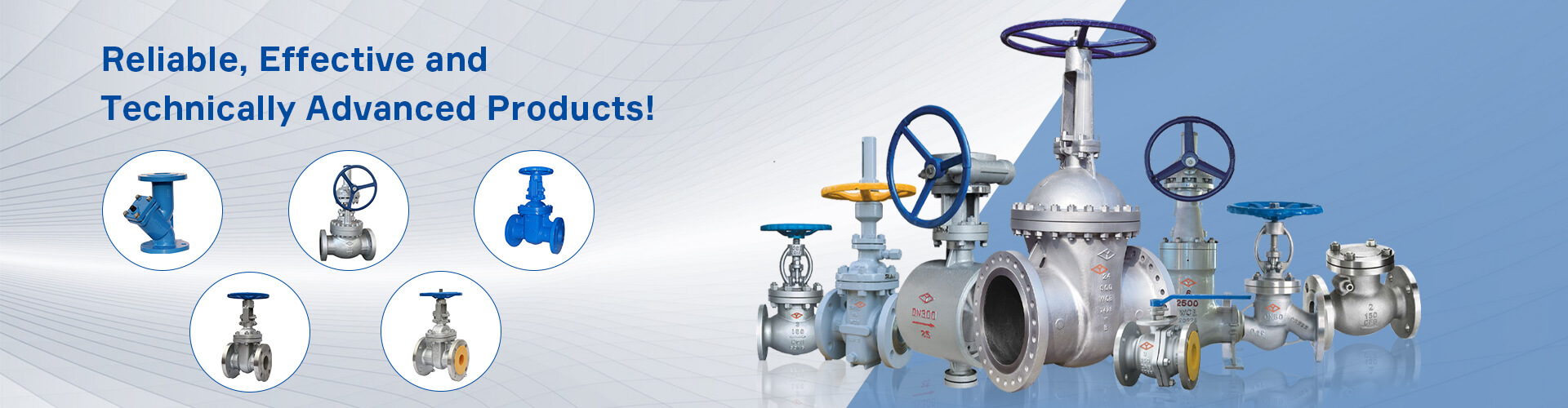
YUANDA Valve Group manufactures industrial gate valves, globe valves, ball valves, butterfly valves, and check valves. Its product range covers multiple standards, specifications, and material options for various industrial applications.
Consistency is a key requirement in bulk industrial valve orders. Clear specifications, controlled material management, repeatable manufacturing processes, effective inspection, product traceability, and coordinated delivery all contribute to successful order execution.
For industrial buyers, evaluating these capabilities before placing an order can help reduce specification errors, simplify installation, and support more reliable project procurement.
A manufacturer's ability to manage consistency across an entire batch is therefore an important factor when choosing a long-term industrial valve supply partner.
Previous: None