
Industrial valves do more than start, stop, or regulate the flow of a medium. Their internal design also affects how easily fluids pass through a pipeline, how much pressure is lost, and how efficiently the entire system operates.
In industrial applications, even small differences in valve structure can influence flow conditions and operating costs. A valve with unsuitable internal geometry may create unnecessary resistance, increase pressure loss, and require additional energy from pumps or compressors.
Understanding the relationship between valve design and flow resistance helps engineers and purchasing teams make better decisions when selecting industrial valves.
Flow resistance refers to the opposition a fluid encounters while passing through a valve. As the fluid moves through the valve body and internal passages, changes in direction, velocity, and flow area can create pressure losses.
Several design factors influence this resistance:
The shape and size of the internal flow passage
The number and sharpness of changes in flow direction
The position and geometry of the valve disc, ball, or gate
The relationship between the valve opening and the pipeline diameter
The surface condition and internal finish of flow-contacting components
When flow resistance increases, the pressure downstream of the valve may decrease. In pumped systems, additional energy may be needed to maintain the required flow rate.
Therefore, valve design should be considered as part of the overall pipeline system rather than as an isolated component.
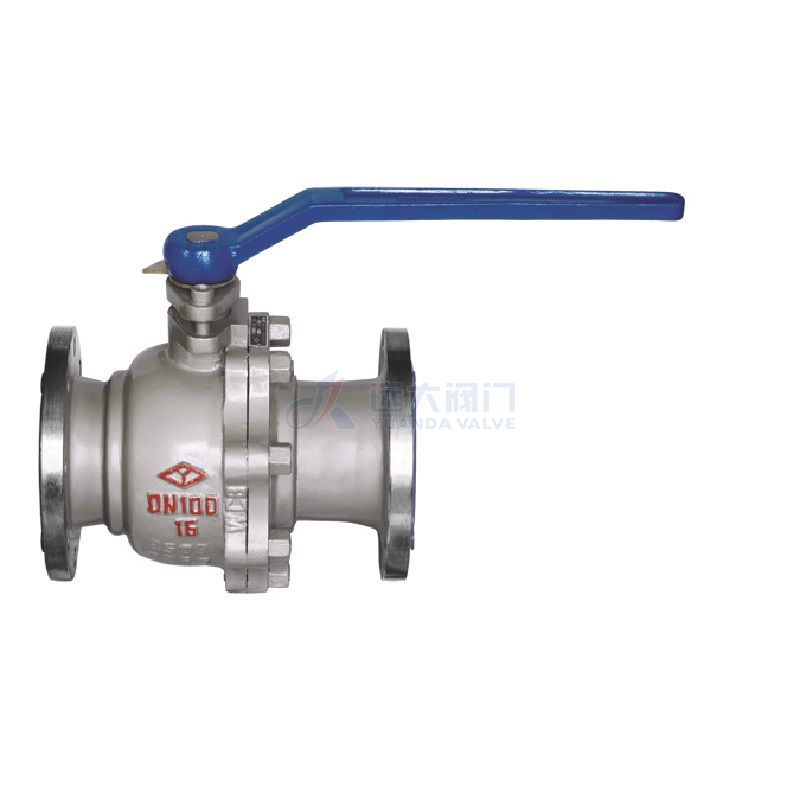
The valve body forms the main passage through which the medium flows. Its internal geometry has a direct effect on fluid movement.
A relatively smooth and appropriately sized flow passage can help reduce unnecessary turbulence. In contrast, sudden contractions, expansions, or sharp changes in direction may increase local resistance.
The internal structure also differs among valve types. Some valves provide a relatively direct flow path, while others require the medium to change direction as it passes through the body.
When comparing valve designs, engineers should consider whether the internal passage is suitable for the required flow conditions. A compact valve design may save installation space, but its flow characteristics should still meet the system's performance requirements.
Different valve types have different internal structures and are designed for different operating purposes. These differences influence their flow resistance.
Gate valves are primarily designed for fully open or fully closed service. When fully open, many gate valve designs provide a relatively straight flow passage, allowing the medium to pass with comparatively low resistance.
However, partially opening a gate valve is generally not recommended for continuous throttling. The partially open gate can create unfavorable flow conditions and may experience vibration, erosion, or damage.
For systems requiring regular flow regulation, another valve design may be more appropriate.
Globe valves use a movable disc and seat arrangement to regulate flow. The fluid typically changes direction as it passes through the valve body.
This internal arrangement can produce greater pressure loss than a straight-through design. However, globe valves offer useful flow regulation characteristics and are often selected where controlling flow rate is important.
The appropriate choice depends on the balance between regulation requirements and acceptable pressure loss.
Ball valves use a rotating ball with a bore through its center. In a full-port ball valve, the bore is designed to closely match the connected pipeline's internal diameter.
When fully open, this arrangement can provide a relatively direct flow path. Reduced-port designs have a smaller internal passage and may introduce additional resistance.
Ball valves are commonly used for shutoff applications. Their suitability for flow regulation depends on the valve design and operating conditions.
Butterfly valves regulate or isolate flow through a rotating disc positioned inside the pipeline.
Even when fully open, the disc remains within the flow passage. This creates some obstruction, although the actual pressure loss depends on the valve design, size, and operating conditions.
Butterfly valves are often considered where compact dimensions, lower weight, and efficient installation are important. Their flow characteristics should be evaluated against the system's required capacity.
A valve's flow resistance can change significantly depending on its opening position.
For many valve types, a fully open position provides a larger flow area than a partially open position. As the opening decreases, the medium must pass through a smaller available area, which can increase local velocity and pressure loss.
The relationship is not always linear. A small change in opening position may produce a significant change in flow rate, depending on the valve's design and flow characteristics.
Engineers should therefore consider the valve's normal operating position when selecting a model. A valve that performs well in fully open service may not be suitable for frequent throttling.
Selecting a valve based only on its nominal diameter is not enough. Its intended operating range and flow characteristics must also be considered.
Flow resistance can affect the energy required to move a medium through a pipeline.
In a pumped system, pressure loss across valves contributes to the total system head requirement. If unnecessary resistance is present, the pump may need to provide additional pressure to maintain the desired flow.
This can influence:
Pump energy consumption
Overall system efficiency
Operating costs
Available pressure at downstream equipment
System operating stability
The impact depends on the fluid, flow rate, system layout, operating hours, and pump characteristics.
For this reason, selecting valves with suitable flow characteristics can contribute to better system efficiency over the equipment's service life.
When evaluating industrial valves, buyers and engineers should look beyond basic specifications such as nominal diameter and pressure rating.
The following factors deserve attention:
Flow passage design: Check whether the internal passage is appropriate for the required flow rate and medium.
Pressure loss: Review available flow coefficient data or pressure-drop information when these values are important to the application.
Valve operating position: Confirm whether the valve will normally operate fully open, fully closed, or at varying opening positions.
Valve function: Distinguish between isolation and flow regulation requirements. The valve type should match its intended function.
Medium characteristics: Fluid viscosity, temperature, density, suspended solids, and corrosiveness can all affect valve performance and material suitability.
System requirements: Consider pump capacity, downstream pressure requirements, pipeline layout, and expected operating conditions together.
A suitable valve is not necessarily the one with the lowest flow resistance. It is the one that provides the required function while maintaining acceptable pressure loss, reliability, and operating performance.
Reducing flow resistance should not be the only objective in valve selection.
For example, a globe valve may introduce more pressure loss than some other designs, but its regulating capability may make it the better choice for a system requiring frequent flow adjustment.
Similarly, a gate valve may offer a relatively unobstructed passage when fully open, but it is generally intended for isolation rather than continuous throttling.
Engineers should begin by identifying the valve's primary function. They can then compare available designs based on flow requirements, pressure conditions, operating frequency, maintenance considerations, and installation limitations.
This approach helps prevent problems caused by choosing a valve solely on the basis of a single performance characteristic.
The quality and consistency of valve manufacturing also matter. Internal dimensions, machining accuracy, assembly quality, and component alignment can influence whether a valve performs as intended.
When evaluating a manufacturer, buyers should consider:
The manufacturer's experience with relevant valve types
Available product sizes, pressure ratings, and material options
Manufacturing and inspection procedures
Technical documentation and product specifications
The ability to provide information relevant to the intended operating conditions
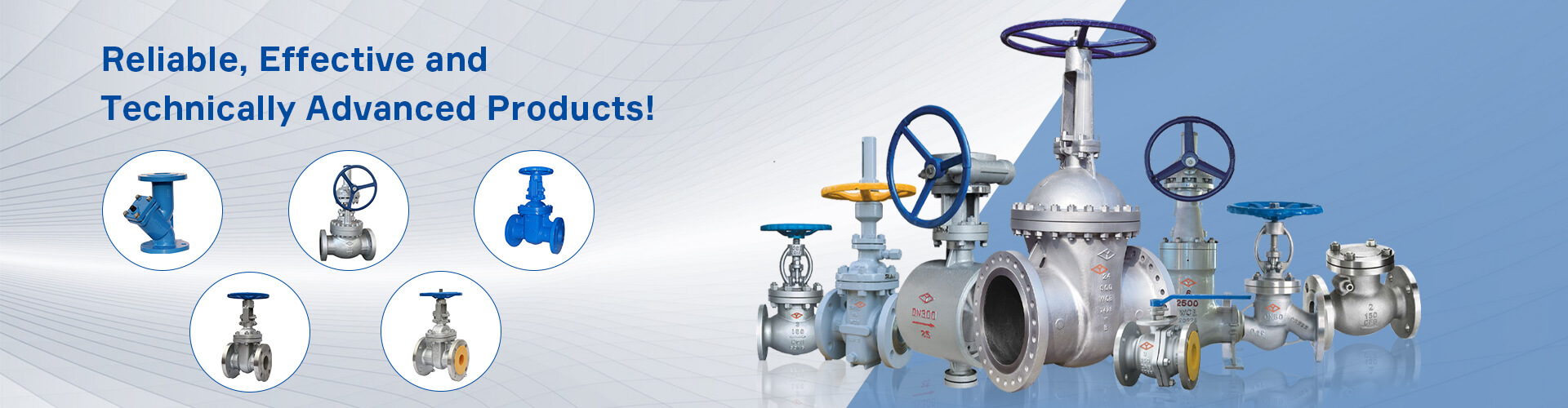
YUANDA, China Yuanda Valve Group Co., Ltd., manufactures industrial valves including gate valves, globe valves, ball valves, butterfly valves, and check valves. Its product range covers multiple standards and specifications for different industrial requirements.
For buyers comparing valve options, reviewing the specific product structure, technical parameters, and application requirements is an important step before placing an order.
Industrial valve design has a direct influence on flow resistance, pressure loss, and overall pipeline performance. Factors such as valve body geometry, internal passage size, opening position, and valve type all affect how a medium moves through the system.
A well-selected valve should provide the required operating function without introducing unnecessary resistance. By evaluating flow characteristics alongside pressure ratings, materials, and service conditions, engineers and buyers can make more informed decisions.
Understanding these design differences helps industrial operators improve system efficiency and select valves that are better suited to long-term operating requirements.
Previous: None