
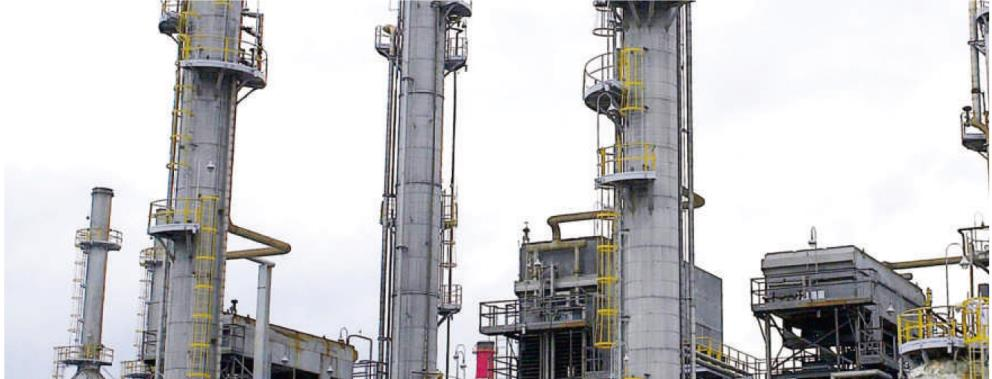
Petrochemical industry is one of the most technically demanding sectors in modern industrial production. It involves complex processes such as distillation, cracking, reforming, separation, polymerization, and high-pressure gas handling. These processes require precise control of flow, temperature, pressure, and chemical reactions.
Within this environment, valves serve as mission-critical components responsible for flow regulation, system protection, isolation, and process automation. Their performance directly determines plant safety, operational stability, product quality, and overall efficiency.
This article provides a comprehensive technical analysis of how valves are applied throughout the petrochemical industry and the functional and material requirements that guide their selection.
Control of Liquid and Gas Feedstocks
Valves regulate crude oil, natural gas, naphtha, steam, and various process chemicals entering core processing units such as:
Atmospheric and vacuum distillation towers
Catalytic cracking (FCC) units
Hydrocracking and hydrotreating systems
Steam reformers
Polymerization reactors
Accurate flow control is essential for maintaining optimal reaction kinetics, maximizing product yields, and ensuring stable operational conditions.
High-Precision Control Valves
In advanced process units, control valves are equipped with smart positioners and integrated into DCS (Distributed Control Systems). They deliver:
High-resolution throttling
Fast response time
Stable operation under varying load
Reduced vibration and cavitation
These features are critical in applications such as hydrogen control, catalyst injection, and high-temperature steam distribution.
Maintaining Safe Pressure Conditions
Petrochemical processes operate at pressures ranging from sub-atmospheric to extremely high levels (in excess of 20 MPa in some hydrogenation units). Pressure-regulating valves ensure that downstream equipment operates within design parameters.
Pressure Safety Valves (PSV) and Relief Systems
Safety valves prevent catastrophic failures by automatically releasing pressure during abnormal conditions, such as:
Exothermic reaction runaway
Blocked discharge
Loss of cooling
Compressor surge
Thermal expansion of liquids
Proper sizing and certification of these valves are mandatory under international standards such as API 520/526.
Process Isolation
Isolation valves—such as gate, ball, and plug valves—are used throughout pipelines, separators, boilers, and reactors for:
Routine maintenance
Equipment replacement
Unit shutdown and startup
Emergency isolation
These valves must provide tight sealing to prevent cross-contamination of process streams.
Emergency Shutdown (ESD) Valves
In high-risk areas (e.g., hydrogen units, gas compression stations, flare systems), ESD valves offer rapid isolation to:
Prevent escalation of incidents
Protect personnel
Preserve critical assets
They are often equipped with pneumatic or hydraulic actuators for fast fail-safe action.
Multi-Port and Diverter Valves
In complex process networks, valves direct fluids to alternative lines for:
Product changeover
Blending and batching
Redundant equipment switching
Heat exchanger bypass operations
These applications require valves with low pressure drop and excellent mechanical robustness.
Specialized Routing Applications
Examples include:
Routing feedstock between parallel reactors
Switching compressor suction/discharge lines
Diverting flare gas streams
Managing waste effluent streams
Material Considerations
The petrochemical industry handles a wide array of aggressive substances, including:
Sulfur- and chlorine-containing compounds
Organic acids and solvents
Superheated steam
High-temperature hydrocarbons
CO₂, H₂S, and other corrosive gases
Valve materials frequently used include:
Stainless steels (304, 316, 321)
Alloy steels (WC6, WC9)
Nickel alloys (Hastelloy, Inconel, Monel)
Duplex and super duplex stainless steel
PTFE, FKM, and graphite-based sealing materials
Resistance to Extreme Conditions
Valves must withstand:
High-temperature creep
Stress corrosion cracking
Erosion from high-velocity media
Polymer fouling
Abrasion from particulates
Advanced coatings (e.g., hardfacing, ceramic linings) are often applied to extend valve life.
Actuated Valves
Modern petrochemical plants require automated valves for precision and safety. Common actuation types include:
Pneumatic (fast response, ideal for ESD systems)
Electric (high-accuracy positioning)
Hydraulic (high torque for large-diameter valves)
Smart Valves and Predictive Maintenance
Smart valves integrate sensors and diagnostics for:
Real-time position feedback
Torque and thrust monitoring
Seal wear prediction
Valve signature analysis
These capabilities reduce downtime and support predictive maintenance strategies.
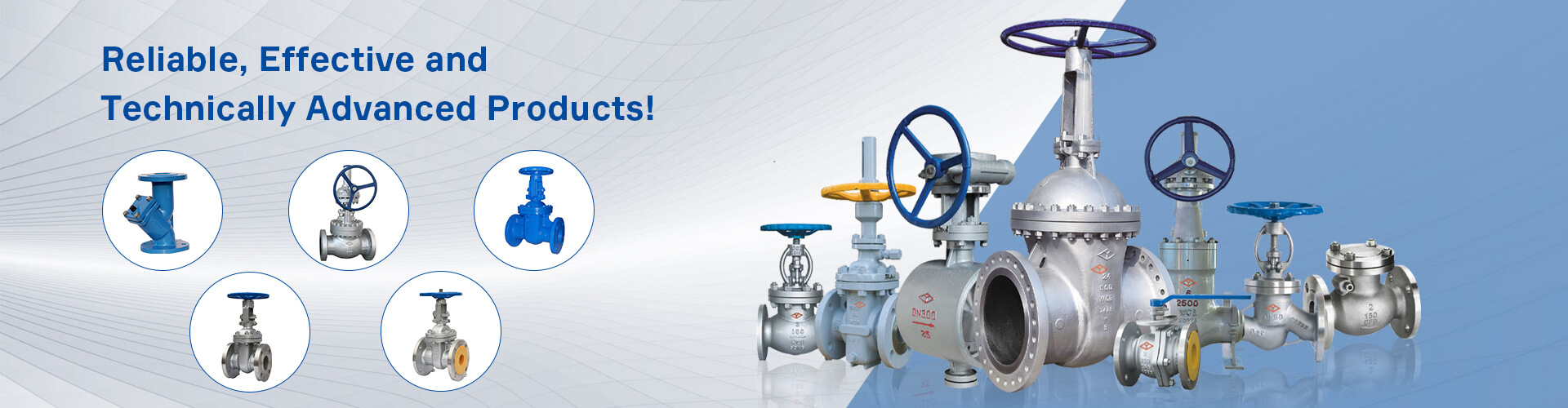
Gate Valves: Used for isolation in high-temperature and high-pressure environments.
Globe Valves: Ideal for precise throttling applications.
Ball Valves: Provide reliable tight shutoff and low torque operation.
Butterfly Valves: Used in large-diameter, low-pressure, high-flow systems.
Check Valves: Prevent reverse flow in pump discharge and pipeline applications.
Valves are indispensable to the petrochemical industry, performing vital functions in flow control, pressure regulation, safety protection, isolation, routing, and automation. Their ability to operate reliably under extreme conditions ensures the safe and efficient functioning of petrochemical plants. As the industry moves toward higher automation, stricter environmental standards, and more demanding process conditions, valve technology continues to evolve—with advanced materials, intelligent diagnostics, and high-performance designs playing a crucial role in future development.