
Cast iron ball valves are widely used in industrial and commercial piping systems for regulating or isolating fluid flow. They combine the simple operation of a ball valve with the strength and durability of cast iron, making them suitable for a broad range of applications. These valves are valued for their cost-effectiveness, reliability, and ease of maintenance.
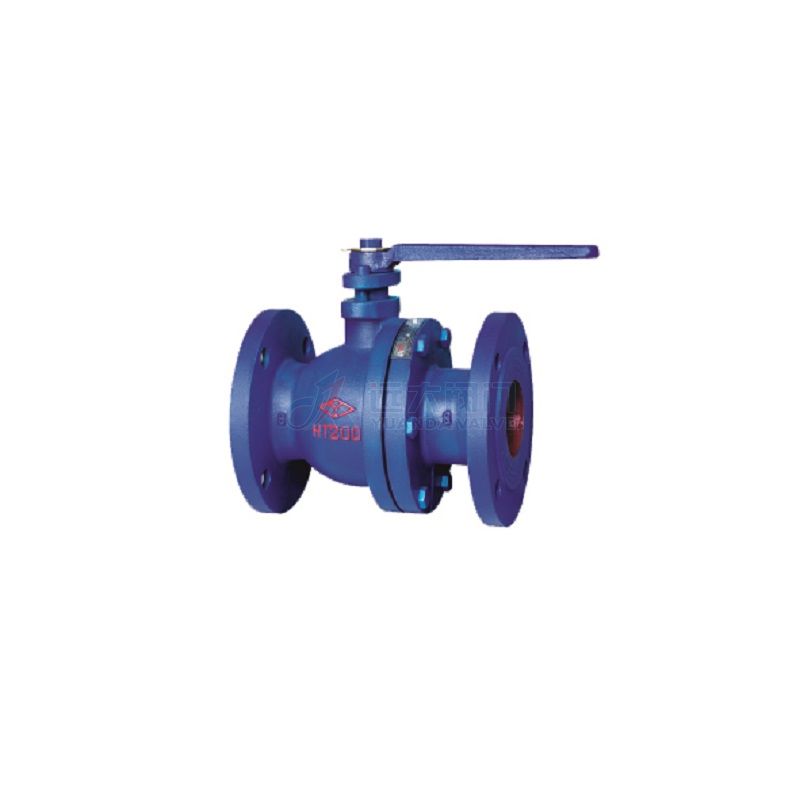
A cast iron ball valve consists of a spherical ball with a hollow center, housed within a cast iron body. By rotating the ball 90 degrees, the valve can either allow full flow or completely block fluid passage. The valve usually features resilient seats made of PTFE, RPTFE, or similar materials to provide a tight seal.
Cast iron ball valves are generally non-lubricated, robust, and corrosion-resistant, making them suitable for water, air, gas, and low-pressure steam systems.
Durable Construction: The cast iron body provides strength and resistance to moderate pressure and temperature.
Reliable Shut-Off: The ball and seat design ensure tight sealing, preventing leakage.
Quick Operation: 90-degree rotation from fully open to fully closed allows fast flow control.
Low Maintenance: Simple internal design reduces wear and the need for frequent maintenance.
Versatile Connections: Available in flanged, threaded, or wafer-type connections to suit different pipelines.
Cast iron ball valves are used in a variety of industries and systems due to their versatility and reliability:
Used in municipal water systems, residential buildings, and irrigation networks to isolate or regulate water flow efficiently.
Commonly used in heating, ventilation, and air conditioning systems to control chilled or hot water circuits and ensure system efficiency.
Suitable for controlling fluids in low to medium-pressure industrial pipelines, including chemicals, oils, and non-corrosive liquids.
Used in sprinkler systems to isolate sections or control water flow, providing reliability in emergency conditions.
Used in piping systems on ships and offshore platforms for controlling water, cooling systems, and non-aggressive fluids.
Cost-Effective: Less expensive than stainless steel or high-alloy valves while still providing reliable performance.
Durable and Long-Lasting: Resistant to wear, corrosion, and moderate pressure, ensuring long service life.
Easy to Install and Operate: Simple design allows for quick installation and easy manual or automated operation.
Wide Range of Sizes: Available in various diameters to suit both small and large pipelines.
Versatility: Compatible with a wide range of fluids, making it suitable for multiple industries.
When selecting a cast iron ball valve, consider the following factors:
Pressure and Temperature Ratings: Ensure the valve material and design can handle the system’s maximum pressure and temperature.
Fluid Type: Cast iron is suitable for water, air, and non-aggressive fluids but may not be ideal for strong acids or chemicals.
Valve Size and Connection Type: Choose the appropriate size and end connection (flanged, threaded, or wafer) for your pipeline.
Maintenance Needs: Although low-maintenance, periodic inspection of the seats and seals is recommended.
Cast iron ball valves are reliable, cost-effective, and versatile valves suitable for a wide range of applications, from water supply and HVAC systems to industrial and marine pipelines. Their durable construction, tight shut-off, and ease of operation make them an ideal choice for controlling fluid flow in low- to medium-pressure systems. By selecting the right size, connection, and pressure rating, cast iron ball valves can provide efficient and long-lasting service across numerous industries.
Previous: None