
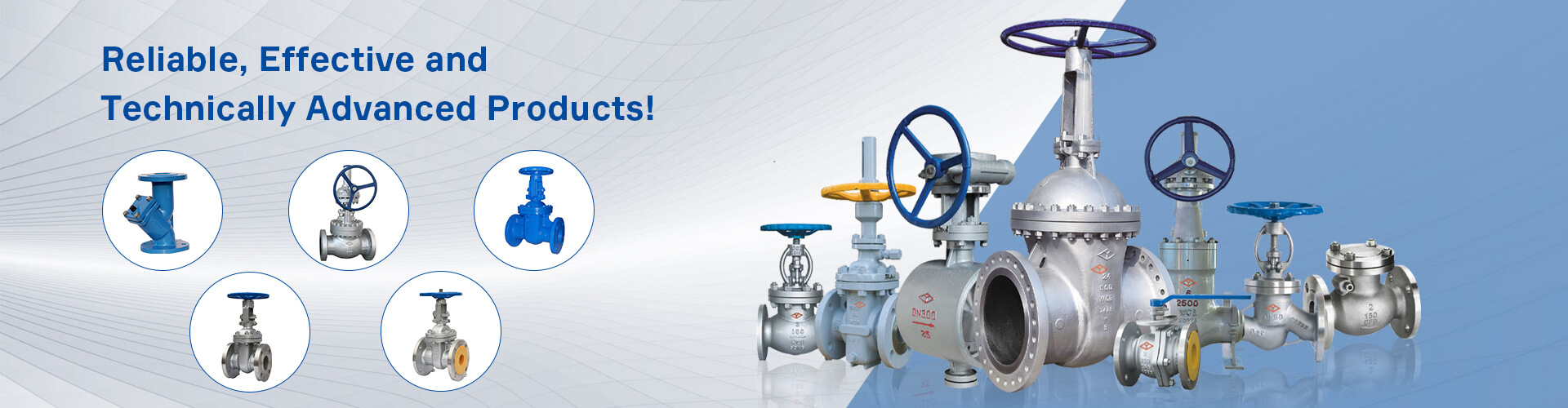
Selecting the right valves is essential for the efficiency, safety, and reliability of intelligent water supply systems. Valves control water flow, enable automation, and help maintain system longevity. This guide provides an overview of valve types, materials, and selection criteria, incorporating real-world applications from YuanDa Valves’ water conservancy projects.
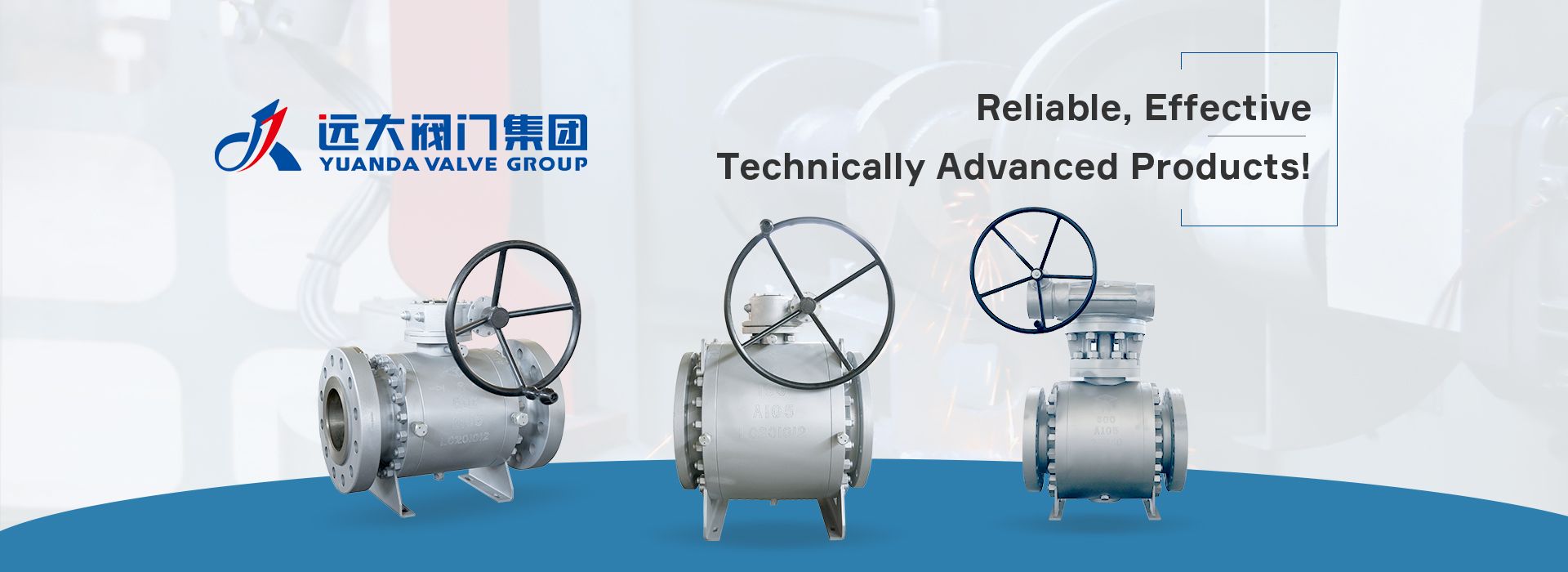
Intelligent water supply systems integrate automation, monitoring, and control technologies to optimize water distribution. Key features include:
Automated pressure control
Remote monitoring and diagnostics
Energy-efficient flow regulation
Protection against water hammer and leakage
Valves in these systems must operate reliably under varying pressures and integrate seamlessly with smart control devices. Real-world performance is critical, and YuanDa Valves’ installations in large-scale water conservancy projects showcase their reliability.
Function: Provide full open or closed flow with minimal pressure loss.
Applications: Main pipeline isolation, pump stations, emergency shut-off.
Real-world Example: YuanDa gate valves have been deployed in dams and irrigation networks, demonstrating durability and reliable operation under high pressure.
Function: Lightweight valves that regulate flow with partial opening.
Applications: Pressure control, secondary pipelines.
Advantage: YuanDa resilient-seated butterfly valves are compatible with automated actuators, suitable for intelligent water networks.
Function: Prevent backflow and maintain unidirectional water movement.
Applications: Pump discharge lines, storage tanks, pressure control stations.
Real-world Application: YuanDa swing and lift check valves are installed in multiple water conservancy projects to minimize water hammer effects.
Function: Automatically regulate pressure and flow based on system demand.
Applications: Pressure zones, network balancing, energy-efficient operations.
Deployment Example: YuanDa pilot-operated and electronically actuated control valves have been implemented in irrigation and municipal water projects, ensuring precise flow regulation.
Material choice impacts valve performance, service life, and maintenance requirements:
Ductile Iron: Cost-effective, corrosion-resistant, ideal for municipal systems.
Stainless Steel: Corrosion-resistant, suitable for potable water and high-pressure pipelines.
EPDM/NBR Seals: Ensure tight sealing, chemical resistance, and longevity.
YuanDa Valves’ water conservancy projects demonstrate that proper material selection ensures long-term performance even in high-pressure and variable-flow environments.
In intelligent systems, valves are often paired with actuators and sensors for automated operation:
Electric Actuators: Precise control, remote operation, SCADA integration.
Pneumatic Actuators: Fast response, reliable under high pressure.
Smart Sensors: Monitor pressure, flow, and leakage in real time.
YuanDa Valves supports actuator integration, ensuring seamless communication with intelligent control systems. Their water conservancy installations illustrate successful automation in large-scale projects.
When selecting valves for intelligent water systems, consider:
Pressure Rating: Match valve strength to pipeline pressure.
Flow Control Requirements: Full shut-off vs. modulation.
Compatibility with Automation: Actuator type and communication protocols.
Durability and Maintenance: Material, sealing technology, and water quality.
Standards Compliance: ISO, DIN, and local regulations for potable water or industrial use.
Choosing the right valves is critical for efficient and reliable intelligent water supply systems. Gate valves, butterfly valves, check valves, and control valves each have specific roles in maintaining pressure, controlling flow, and preventing failures. By leveraging solutions proven in YuanDa Valves’ water conservancy projects, engineers can ensure their intelligent water networks operate efficiently, safely, and sustainably.
For more information on real-world applications, see YuanDa Valves Water Conservancy Projects
Previous: None