
Selecting the right water system valve brand is essential for ensuring reliability, long-term performance, and efficient water management. How to choose high-quality global water valve brands in 2026 typically expect a practical, fact-based guide covering brand comparisons, technical parameters, application scenarios, and decision-making guidance. This guide addresses those needs.
The global water valve market in 2026 is dominated by established industrial brands that provide durable materials, advanced automation, and technology suitable for municipal, commercial, and industrial water systems. Key factors to consider when evaluating brands include product reliability, material quality, certifications, technical support, and application-specific performance.
Several international brands are recognized for their performance, range, and reliability:
● Emerson Electric Co. (Fisher/Keystone) is widely used in municipal water systems and industrial applications, offering butterfly and control valves with advanced automation features and precise flow control.
● Flowserve Corporation produces severe-service valves, including ball, gate, and globe types, designed for high-corrosion and high-temperature water environments. These valves are frequently applied in industrial water treatment and process control.
● KITZ Corporation, a Japanese manufacturer, provides a broad range of valves suitable for residential, commercial, and industrial water applications, with high-quality brass construction.
● Crane Co. delivers bronze and industrial-grade valves used in water treatment, HVAC, and fire safety systems.
● Mueller Co. focuses on municipal water networks in North America, supplying gate valves and fire hydrants widely deployed in urban water distribution.
● Samson AG, based in Germany, specializes in control valves for water management and industrial applications, offering precision and adaptability.
● Bray International provides modular high-pressure butterfly valves and automated systems for water treatment plants and industrial networks.
● Schlumberger (Cameron) produces valves designed for industrial waterflood and specialized water management applications.
● Milwaukee Valve offers durable valves for marine, industrial, and factory environments.
● Danfoss focuses on energy-efficient and intelligent valve solutions for HVAC and industrial fluid control.
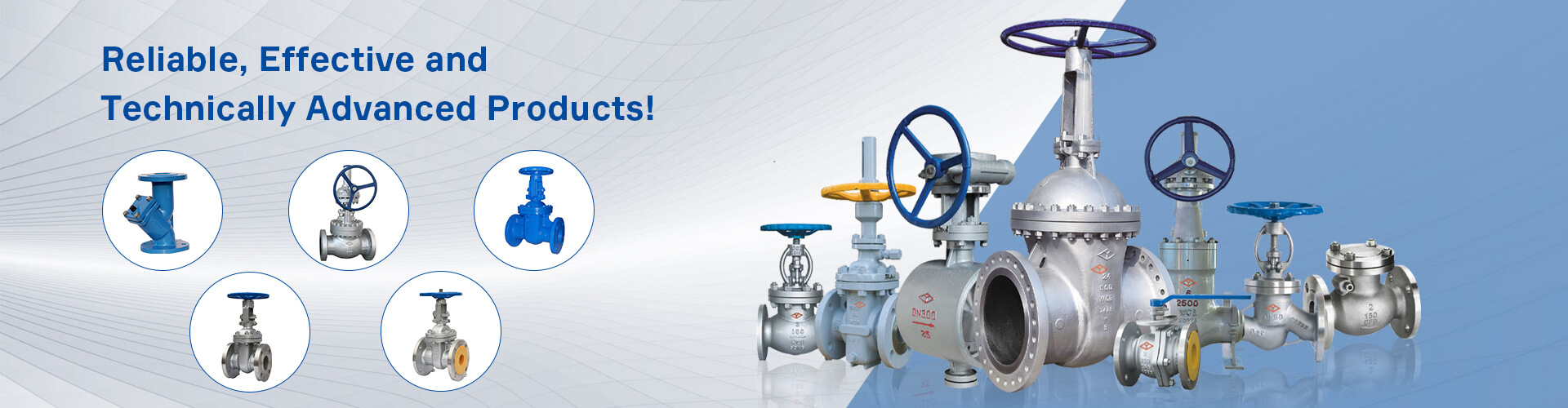
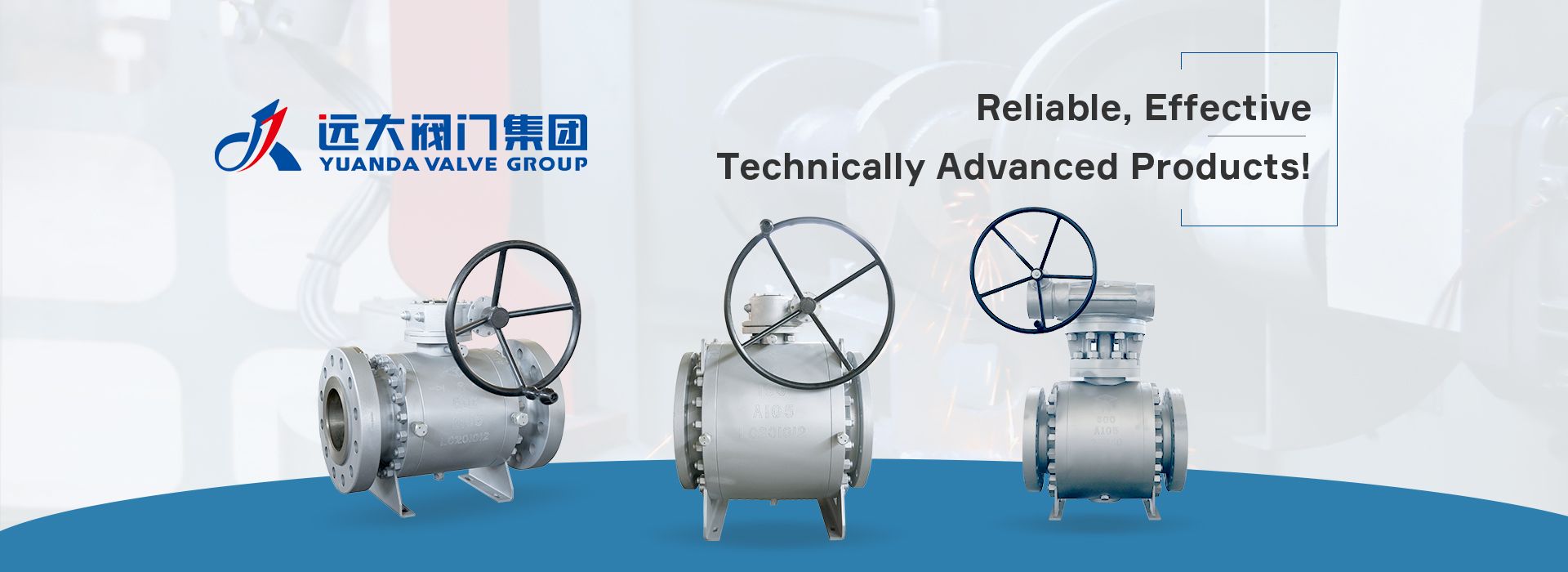
Yuanda products involve GB, ANSI standard, DIN standard, BS standard, JIS standard, Russian standard and other standards. The main materials are HT200, HT250, QT400, QT450, WCA, WCB, WCC, CF3, CF8, CF3M, CF8M, 1Cr5Mo, LCB, LCC, C5, WC6, WC9, WC12, etc. The main products are gate valve, globe valve, ball valve, butterfly valve, check valve and other 12 categories. More than 200 series, more than 4,000 specifications, annual production capacity of more than 150,000 tons, widely used in petroleum, petrochemical, chemical, electric power, metallurgy, water conservancy, medicine, municipal construction, water supply and drainage and other fields of national economy.
When evaluating valves and brands, focus on measurable and verifiable attributes:
Valve Type and Application: Gate, ball, butterfly, globe, or check valves; choose based on system requirements, flow rates, and control precision.
Material Selection: Stainless steel, ductile iron, bronze, or brass; determines corrosion resistance, durability, and suitability for freshwater, seawater, or industrial fluids.
Pressure and Temperature Ratings: PN10, PN16, PN25, or higher; operating temperatures from -20°C to 120°C or more for industrial applications.
Sealing and Cycle Life: Valve seat and disc durability; measured in operation cycles, critical for maintenance planning.
Certifications and Compliance: ISO, EN, ANSI, CE, or API; confirm adherence to international quality and safety standards.
Automation and Smart Features: For modern water systems, assess remote monitoring, automated actuation, and energy efficiency.
Define Project Requirements: Identify water type, flow rate, pressure, and temperature.
Select Valve Type: Determine whether gate, ball, butterfly, globe, or check valves meet system needs.
Compare Brands and Specifications: Evaluate materials, pressure/temperature ratings, sealing performance, and automation capabilities.
Check Certifications: Verify ISO, ANSI, EN, CE, or API compliance.
Review Technical Support and Customization Options: Ensure the manufacturer can provide installation guidance and tailored solutions.
Evaluate Case Studies and References: Look for documented applications in similar environments.
Make an Informed Selection: Combine technical parameters, brand reputation, and project-specific needs.